Middle East Escalation: Iran Launches Missiles Toward Jordan as Israel Warns of Spillover
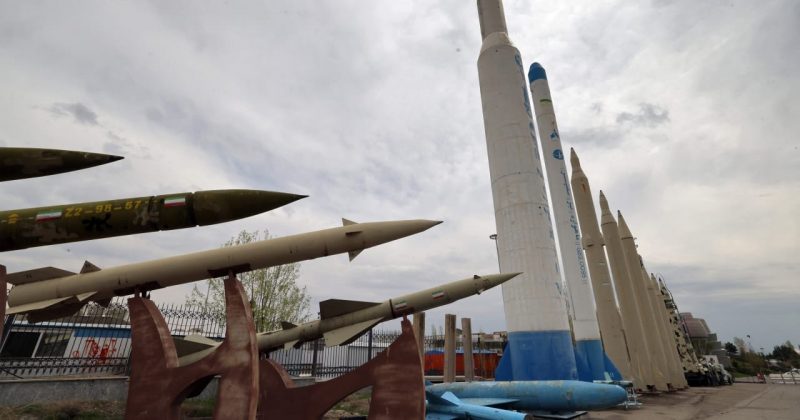
Geopolitical tensions have surged following Iran's missile strikes directed toward Jordan, a move that significantly heightens the risk of a massive regional conflict. This sudden escalation in the Middle East has placed global markets on high alert, emphasizing the critical importance of monitoring geopolitical security and regional stability.
Adding to the volatility, intelligence suggests a continued threat of military action, including a projected 15% chance of Houthi military operations against Israel by July 2026. As the threat of spillover grows, the international community faces increasing uncertainty regarding the long-term impact of these hostilities on global economic and political landscapes.
Iran has launched missiles toward Jordan, significantly raising regional tensions across the Middle East. The move has prompted immediate warnings, with Israel cautioning about the potential for a spillover effect that could expand the conflict. Furthermore, projections indicate a 15% probability of Houthi military action against Israel by July 31, 2026, suggesting that regional instability may remain a persistent threat.
This is a summarized and adapted version by Artificial Intelligence. To read the complete original story, visit the official source.
Read Full Article at Crypto BriefingSupport Jornal Bitcoin
Independent journalism, curated by AI, no clickbait. Keep the flame alive with any amount of BTC.
jonata@walletofsatoshi.comDaily Crypto Brief 📬
Subscribe to receive the curation of the most important Bitcoin and crypto news, summarized by AI. No spam.
Join more than 10,000 smart readers.
Related News
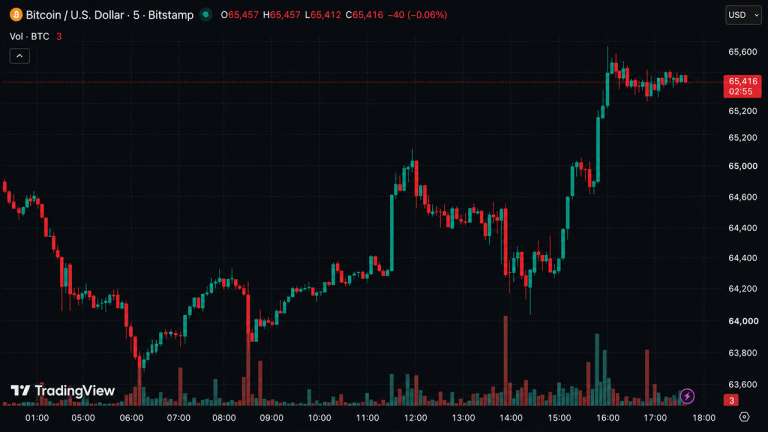
Bitcoin Roars Back Above $65K: Whale Buying Frenzy Defies Iran-US Tensions
The recovery highlights a significant decoupling from traditional market stressors, such as the recent sell-off in U.S. stocks and the spike in oil prices. As Bitcoin stabilizes above key psychological levels, the market is signaling that institutional-grade demand and whale activity remain the dominant forces driving price action, even amidst macro volatility.

Middle East Escalation: Iranian Missiles Intercepted Over Eilat as Israel Closes Airspace
In a decisive move to secure its borders, Israel has announced the closure of its airspace through August 31. These defensive measures and the direct confrontation with Iranian missile strikes highlight the intensifying security crisis and the immediate threat to regional aviation and safety.
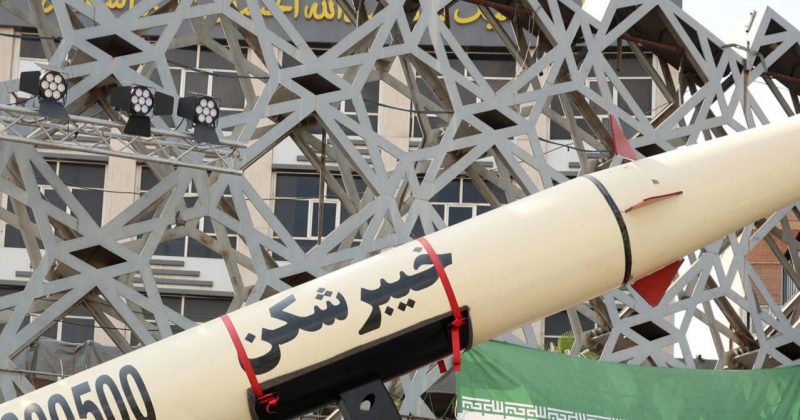
Middle East Escalation: Iran Releases Missile Launch Videos Targeting Kuwait and Bahrain
The implications of this escalation extend far beyond regional borders, posing a significant threat to global stability and energy security. As military tensions rise, market participants should prepare for increased volatility and potential shifts in risk sentiment across both traditional and digital asset classes.

Middle East Alert: Iran Targets US-Aligned Defenses as Regional Tensions Surge
As Israel prepares for potential airspace closures by August 31, the threat of a broader military confrontation looms large. The intersection of Middle East security risks and heightened geopolitical tension is a critical factor for crypto investors to monitor, as such conflicts often drive massive volatility and influence the movement of digital assets.

Shiraz Explosion: Airstrike Hits Iranian Electronics Industry Amid Crypto Market Turmoil
This strike comes at a precarious time for digital assets, following a nearly 2% drop in Bitcoin's value. As crypto markets have already shed an estimated $80 billion in earlier strike waves this year, the ongoing military conflict threatens to deepen liquidity drains and heighten volatility across the entire blockchain ecosystem.

Gulf Escalation: Polymarket Odds for Iran Invasion Spike to 24.5% Following Attacks
Traders are now hyper-focused on the potential for spillover into a direct U.S.-Iran conflict. As the market reacts to these developments, the focus shifts to how this regional volatility will influence broader economic stability and whether these prediction market shifts serve as a leading indicator for upcoming geopolitical shifts.
