Geopolitical Flashpoint: US Missile Strikes on Qeshm Island Ignite Global Tensions
Global stability is under threat following US missile strikes targeting Iran’s Qeshm Island, a move that has drastically escalated tensions in the Middle East. This sudden military action creates immediate market volatility and forces investors to reassess the risk landscape in a rapidly changing geopolitical environment.
Beyond the immediate strikes, speculation is mounting regarding the long-term consequences, including controversial predictions of a potential US invasion of Iran before 2027. As these tensions escalate, the intersection of military conflict and global economic stability remains a critical focal point for market participants.
Tensions have surged in the Middle East following US missile strikes on Iran’s Qeshm Island, signaling a dangerous escalation in regional hostilities. This development has sent ripples through global markets, heightening fears of a broader conflict. Furthermore, speculative discussions regarding the possibility of a US invasion of Iran before 2027 are gaining traction, adding a layer of profound uncertainty to the current geopolitical climate.
This is a summarized and adapted version by Artificial Intelligence. To read the complete original story, visit the official source.
Read Full Article at Crypto BriefingSupport Jornal Bitcoin
Independent journalism, curated by AI, no clickbait. Keep the flame alive with any amount of BTC.
jonata@walletofsatoshi.comDaily Crypto Brief 📬
Subscribe to receive the curation of the most important Bitcoin and crypto news, summarized by AI. No spam.
Join more than 10,000 smart readers.
Related News
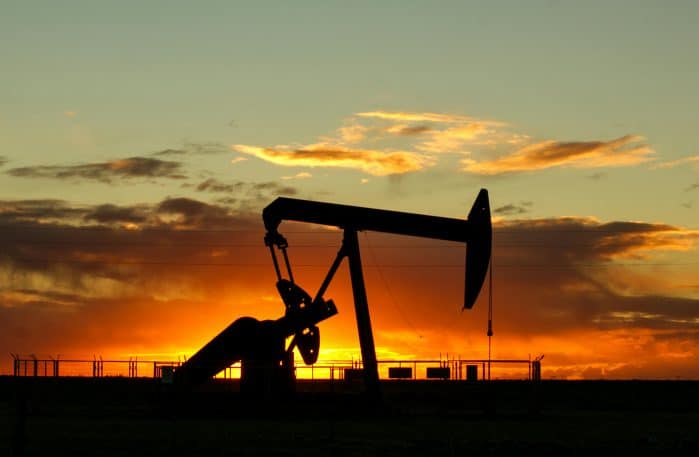
Oil Price Surge: Middle East Tensions and Shipping Threats Trigger Inflation Fears
Experts warn that this volatility could significantly exacerbate inflation and force central banks to pivot their monetary policies. The potential disruption to shipping lanes poses a direct threat to global economic stability, creating a ripple effect that could impact everything from supply chains to long-term market growth.
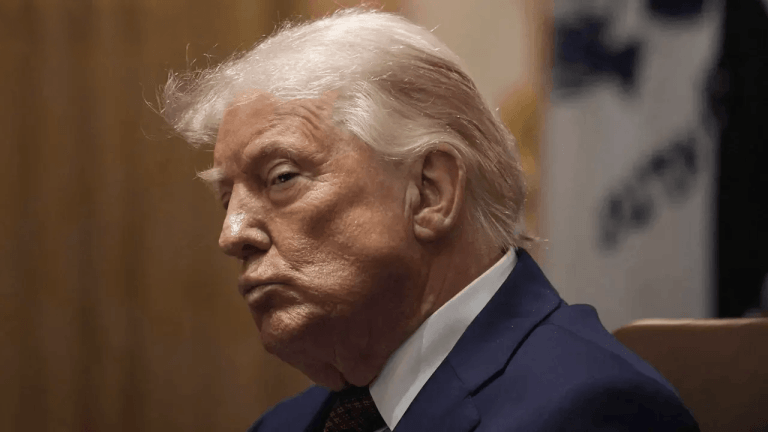
Brent Crude Surges Past $100 as Houthi Strikes and Trump's War Threats Ignite Markets
Market volatility is further amplified by Donald Trump's aggressive warnings to Iran, threatening 'major military punishment' for continued aggression. As a second front of conflict opens, the threat to maritime trade routes looms large, potentially driving up global inflation and energy costs.
Short-sighted Stock Market Can No Longer Ignore War: The $100 Oil Threat
Beyond immediate price hikes, the consequences extend to squeezed corporate margins and increased consumer costs. As geopolitical risks intensify, the inability to brush off these macro shifts suggests a period of heightened volatility for both traditional equities and broader financial markets.
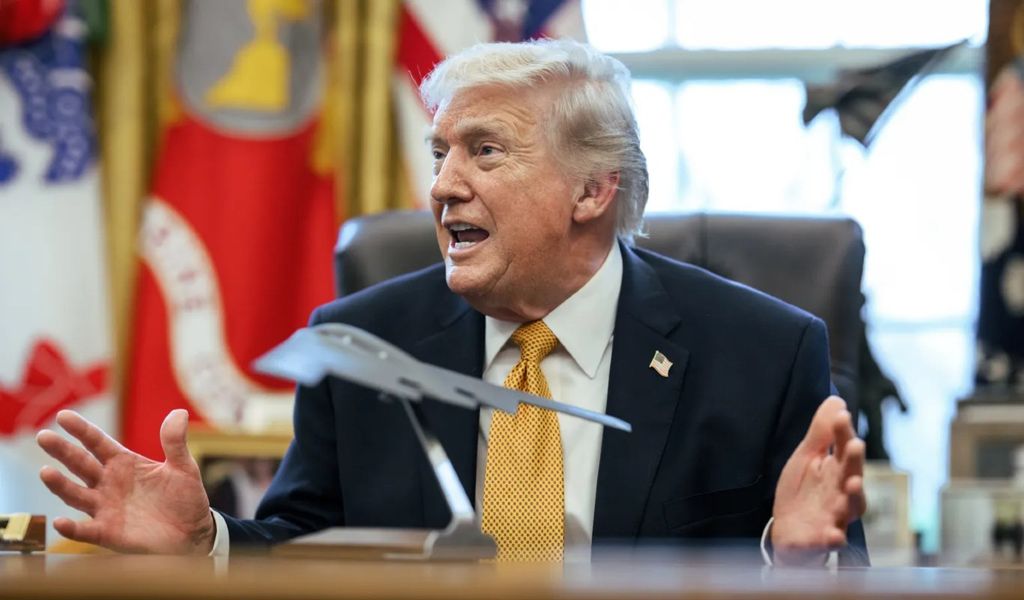
Geopolitical Alert: Trump Weighing 'Largest Ever' Military Strike Against Iran
This potential escalation in geopolitical tensions carries profound implications for global market stability and risk asset volatility. Should such a large-scale conflict materialize, the consequences could reshape international relations and trigger massive economic shocks, impacting everything from oil prices to investor sentiment across all financial sectors.
Trump’s Nuclear Threat Against Iran Sparks Global Tension and Calls to Exit NPT
As tensions rise, the pressure for Iran to exit the NPT grows significantly. Amidst this volatility, market analysts are tracking reconstruction funding projections, noting that a potential US-Iran deal by 2026 currently sits at a 28.5% probability, a figure that could dictate future shifts in global economic stability.
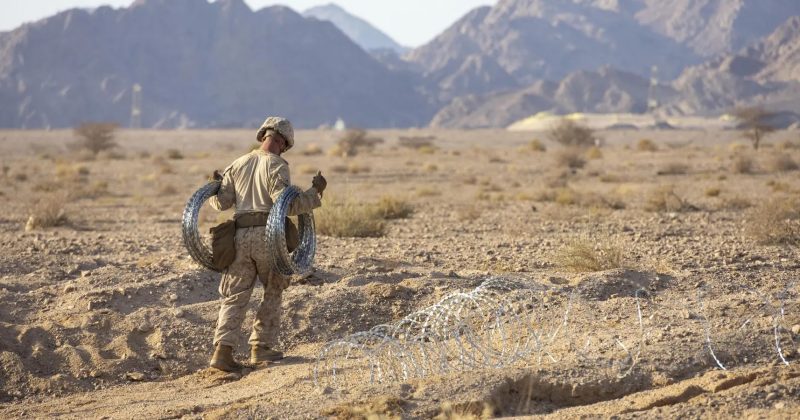
Iran Strikes on US Bases in Jordan Expose Critical Defense Vulnerabilities
Market analysts are closely monitoring the situation as the probability of European military action against Iran rises, with estimates jumping from 1.8% by late July to 7.5% by the end of August. Such geopolitical instability often triggers massive shifts in global liquidity and investor sentiment across all asset classes.
