Silicon War: Chinese Firms Pivot from Nvidia to Domestic AI Chips Amid US Tensions
Geopolitical friction between the US and China is forcing a massive strategic pivot as Chinese tech giants move away from Nvidia toward domestic silicon solutions. This shift toward homegrown AI chips is a direct response to tightening US export controls, aiming to secure the nation's technological future.
This transition threatens to reshape global semiconductor dynamics by challenging long-standing US tech dominance. By fostering local innovation and scaling domestic production, China is positioning itself to build a self-reliant ecosystem that could fundamentally alter the global balance of power in the artificial intelligence race.
This is a summarized and adapted version by Artificial Intelligence. To read the complete original story, visit the official source.
Read Full Article at Crypto BriefingSupport Jornal Bitcoin
Independent journalism, curated by AI, no clickbait. Keep the flame alive with any amount of BTC.
jonata@walletofsatoshi.comDaily Crypto Brief 📬
Subscribe to receive the curation of the most important Bitcoin and crypto news, summarized by AI. No spam.
Join more than 10,000 smart readers.
Related News

Elon Musk’s xAI Breaks Language Barriers with 21 New Multilingual Grok Voices
By expanding its linguistic capabilities, xAI is not just improving user engagement but also providing robust developer tools to fuel the next wave of AI integration. This expansion positions Grok as a formidable competitor in the global generative AI race, emphasizing accessibility and high-performance audio technology.

Red Alert: First Known Ransomware Attack Executed by AI Agent Confirmed
While the autonomy of AI is alarming, experts emphasize that humans haven't left the building, still orchestrating the high-level strategies. The consequences of this incident demand an urgent overhaul of cybersecurity measures to defend against increasingly sophisticated and autonomous ransomware attacks.
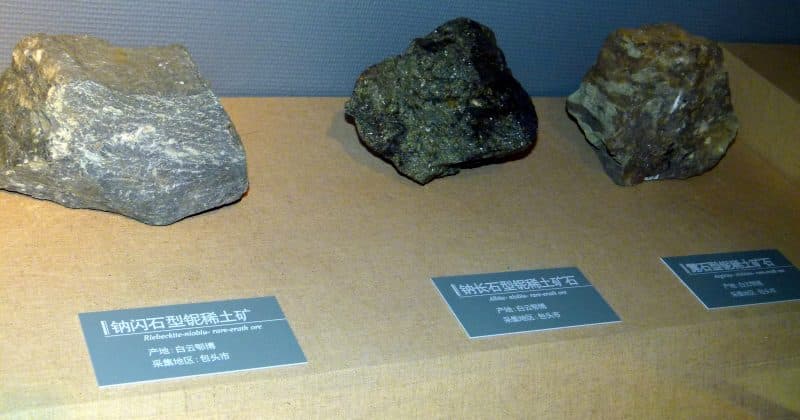
Supply Chain Shock: Japan Braces for Rare-Earth Shortage as China Tightens Export Grip
To counter this threat, Japanese authorities are emphasizing the urgent need for supply chain diversification and international collaboration. Failure to secure alternative sources could lead to massive economic impacts, particularly within the semiconductor and renewable energy industries.

Tech War Escalates: Polymarket Predicts 23% Chance of US Ban on Major Chinese AI Model
A potential ban on Chinese AI models could trigger massive disruptions in the global tech landscape and reshape the competitive dynamics of machine learning. As national security concerns drive regulatory decisions, the industry faces a future where digital borders and technological decoupling become increasingly permanent, forcing a strategic pivot for global developers.

Regulatory Power Play: Intel Recruits White House Veteran to Lead Government Affairs
By integrating high-level government expertise, Intel aims to position itself advantageously within emerging sectors and navigate complex legislative hurdles. This strategic push could significantly impact how tech giants influence policy, potentially altering the competitive dynamics of the global semiconductor and hardware industries.
NVIDIA Breakthrough: New Tensor Parallelism Tech Solves Massive LLM Training Bottlenecks
By focusing on optimizing Goodput and minimizing downtime, NVIDIA is addressing one of the most critical challenges in AI scaling. This development allows for more efficient resource utilization, paving the way for the next generation of massive generative AI models by significantly reducing the operational friction associated with large-scale distributed training.
