Tech War Escalates: Polymarket Predicts 23% Chance of US Ban on Major Chinese AI Model

Polymarket traders are signaling a significant geopolitical shift, pricing in a 23% probability that the U.S. government will formally block public access to a major Chinese artificial intelligence (AI) model by the end of 2026. This surge in betting activity highlights the intensifying scrutiny from Washington regarding Deepseek and other prominent Chinese AI competitors.
A potential ban on Chinese AI models could trigger massive disruptions in the global tech landscape and reshape the competitive dynamics of machine learning. As national security concerns drive regulatory decisions, the industry faces a future where digital borders and technological decoupling become increasingly permanent, forcing a strategic pivot for global developers.
The market, established earlier this month, specifically asks whether the U.S. government will take decisive action against Chinese AI capabilities. As the tension between the U.S. and China evolves, the intersection of AI development and national security policy is becoming a primary battleground for global influence.
This is a summarized and adapted version by Artificial Intelligence. To read the complete original story, visit the official source.
Read Full Article at Bitcoin.comSupport Jornal Bitcoin
Independent journalism, curated by AI, no clickbait. Keep the flame alive with any amount of BTC.
jonata@walletofsatoshi.comDaily Crypto Brief 📬
Subscribe to receive the curation of the most important Bitcoin and crypto news, summarized by AI. No spam.
Join more than 10,000 smart readers.
Related News

Middle East Tensions Spike: Iran Funeral Rallies Tank Polymarket Normalization Bets
The massive mobilization expected in Iran is being interpreted by market participants as a signal of heightened regional instability. As tensions rise, the shift in Polymarket odds underscores a growing consensus that the Middle East is entering a period of profound uncertainty, affecting global risk sentiment.
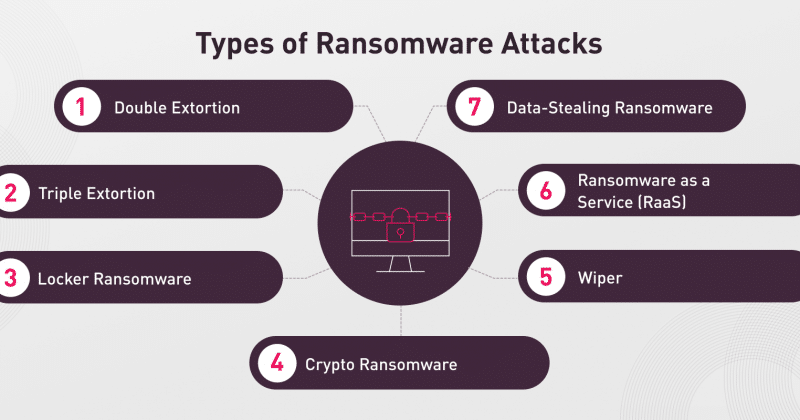
Red Alert: First Known Ransomware Attack Executed by AI Agent Confirmed
While the autonomy of AI is alarming, experts emphasize that humans haven't left the building, still orchestrating the high-level strategies. The consequences of this incident demand an urgent overhaul of cybersecurity measures to defend against increasingly sophisticated and autonomous ransomware attacks.
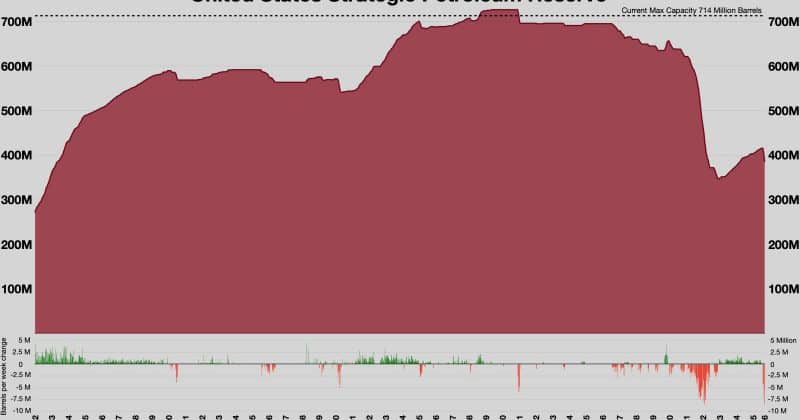
Supply Shock: US Crude Oil Inventories Hit Lowest Level Since 1983
With geopolitical tensions rising, the depletion of US oil reserves threatens to drive sustained higher oil prices. This shift poses a direct risk to global economic stability, potentially triggering inflationary pressures across international markets.

Supply Chain Shock: Japan Braces for Rare-Earth Shortage as China Tightens Export Grip
To counter this threat, Japanese authorities are emphasizing the urgent need for supply chain diversification and international collaboration. Failure to secure alternative sources could lead to massive economic impacts, particularly within the semiconductor and renewable energy industries.

The Trump Effect: How a Call to FIFA's Infantino Overturned Folarin Balogun's World Cup Ban
The consequences of this intervention extend far beyond a single player, raising fundamental questions about the integrity of FIFA's decision-making processes. As the fallout continues, the football world faces a potential shift in how disciplinary actions are handled, signaling a new era where political leverage may dictate the outcomes of international sporting regulations.
NVIDIA Breakthrough: New Tensor Parallelism Tech Solves Massive LLM Training Bottlenecks
By focusing on optimizing Goodput and minimizing downtime, NVIDIA is addressing one of the most critical challenges in AI scaling. This development allows for more efficient resource utilization, paving the way for the next generation of massive generative AI models by significantly reducing the operational friction associated with large-scale distributed training.
