Smart Move: Company Sells Bitcoin to Wipe Out $11.7 Million Debt and Prevent Dilution

The Smarter Web Company has executed a tactical treasury move, selling 177.89 BTC for $11.7 million to early repay a convertible debt facility. By leveraging its Bitcoin holdings, the firm successfully avoided shareholder dilution, a critical step in maintaining equity value and financial autonomy.
Following this strategic liquidation, the company retains a massive treasury of 2,700 BTC, signaling long-term confidence in the asset. This maneuver highlights how corporations are increasingly using Bitcoin as a strategic tool to manage debt and optimize their balance sheets in a volatile market.
The Smarter Web Company has sold 177.89 BTC for $11.7 million to settle a convertible debt facility ahead of schedule. The primary driver behind this transaction was to prevent shareholder dilution, opting to use liquid Bitcoin assets rather than issuing new equity to cover the obligation.
Even after the sale, the company maintains a significant crypto footprint, holding a treasury of 2,700 BTC. This move underscores a sophisticated approach to corporate treasury management, utilizing Bitcoin to navigate debt obligations while preserving a massive long-term position.
This is a summarized and adapted version by Artificial Intelligence. To read the complete original story, visit the official source.
Read Full Article at Bitcoin MagazineSupport Jornal Bitcoin
Independent journalism, curated by AI, no clickbait. Keep the flame alive with any amount of BTC.
jonata@walletofsatoshi.comDaily Crypto Brief 📬
Subscribe to receive the curation of the most important Bitcoin and crypto news, summarized by AI. No spam.
Join more than 10,000 smart readers.
Related News
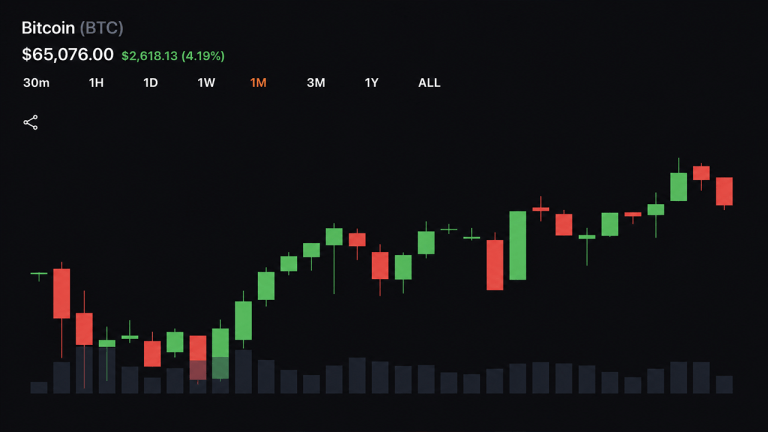
Bitcoin Defies Gravity: Crypto Outperforms US Stocks Amid Market Retreat
However, this period of subdued volatility may be a precursor to turbulence. Rising leverage and ongoing tensions in oil markets suggest that the current stability is fragile. As traders price in a 75% probability of a Fed hold while yields hover near 4.60%, the crypto market remains positioned at a critical macroeconomic crossroads.
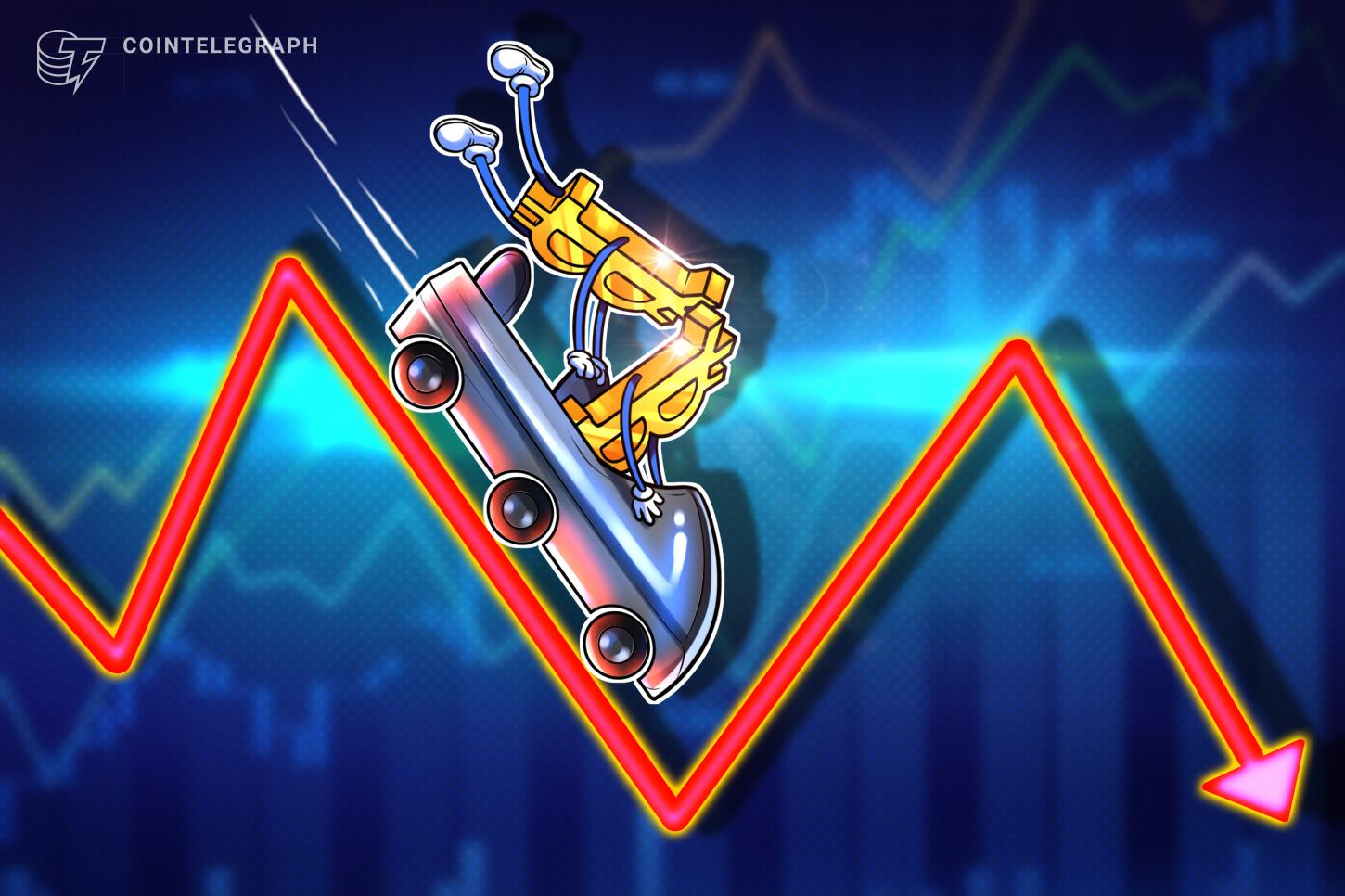
Bitcoin Dips Below $65K as Iran Tensions Drive Oil and Bond Yield Surge
As oil approaches the $100 mark, the macroeconomic landscape is shifting rapidly. With the odds of a Fed rate hike in July nearing 40%, market participants are reacting to the dual threat of Middle East volatility and tightening monetary policy, creating a high-pressure environment for BTC price forecasts.
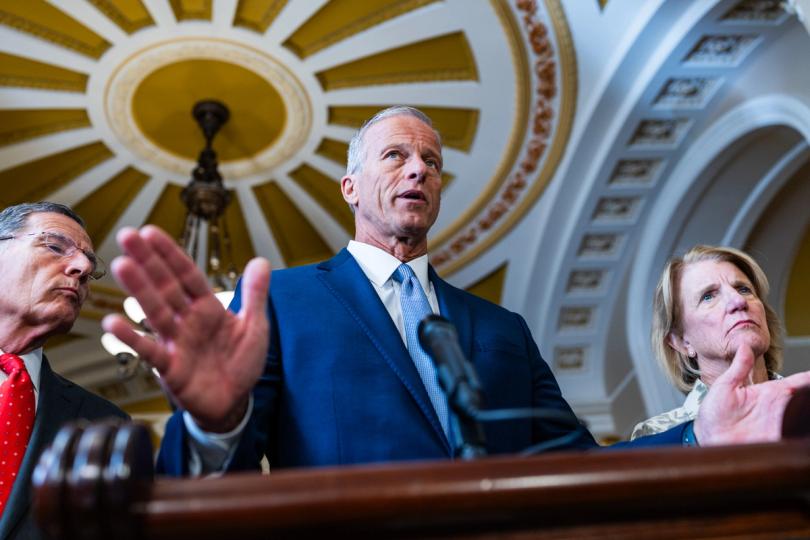
Regulatory Delay: Clarity Act Likely to Miss Congressional Deadline Before Summer Break
This delay underscores the ongoing struggle to harmonize digital asset oversight with traditional financial frameworks. While leadership suggests that discussions might commence before the recess, the missed deadline postpones much-needed clarity for investors and developers, potentially stalling the momentum of the crypto market structure evolution.
The Next MicroStrategy? Nasdaq-Listed Zhibao to Raise $220M for Bitcoin Treasury
This strategic pivot aims to leverage the growing institutional demand for Bitcoin exposure within traditional equity markets. By integrating Bitcoin into its core treasury operations, Zhibao is positioning itself as a high-beta play for investors looking to capitalize on the digital asset revolution through a Nasdaq-listed vehicle.

Bitcoin Treasury Paradox: Company Erases 7.7M Shares but Bitcoin Per Share Drops
Despite the reduction in share count, the company faced a mathematical setback as the Bitcoin per share metric actually declined. This outcome creates a high-stakes environment for the firm, as it now faces a tougher test in securing replacement funding to restore its treasury efficiency.
Middle East Escalation: Likud MK Hints at Potential Israeli Strike on Iran
Amidst the threat of conflict, reports have surfaced regarding long-term diplomatic discussions, specifically a potential US-Iran deal in 2026 that could involve 28.5% funding for Iranian reconstruction. The ongoing friction between Israel and Iran remains a primary driver of market uncertainty and macro-economic shifts.
