The Next MicroStrategy? Nasdaq-Listed Zhibao to Raise $220M for Bitcoin Treasury
Zhibao, a Shanghai-based insurance-tech firm trading on the Nasdaq, has unveiled a bold plan to establish a dedicated Bitcoin treasury. In a move that mirrors major corporate crypto adopters, the company intends to sell $220 million in stock, uniquely allowing investors to pay for new shares directly with BTC.
This strategic pivot aims to leverage the growing institutional demand for Bitcoin exposure within traditional equity markets. By integrating Bitcoin into its core treasury operations, Zhibao is positioning itself as a high-beta play for investors looking to capitalize on the digital asset revolution through a Nasdaq-listed vehicle.
Zhibao, a Shanghai-based insurance-tech company currently trading below $1 on the Nasdaq, is looking to pivot its financial strategy toward digital assets. The company has announced plans to build a Bitcoin treasury by implementing a direct mechanism: accepting BTC as payment for the issuance of new shares.
With a planned offering of $220 million, Zhibao is following in the footsteps of pioneers like MicroStrategy. This move highlights a growing trend among tech-driven firms to utilize Bitcoin as a primary reserve asset to hedge against fiat volatility and enhance long-term shareholder value.
This is a summarized and adapted version by Artificial Intelligence. To read the complete original story, visit the official source.
Read Full Article at DecryptSupport Jornal Bitcoin
Independent journalism, curated by AI, no clickbait. Keep the flame alive with any amount of BTC.
jonata@walletofsatoshi.comDaily Crypto Brief 📬
Subscribe to receive the curation of the most important Bitcoin and crypto news, summarized by AI. No spam.
Join more than 10,000 smart readers.
Related News

The Kraken UK Blueprint: Why Crypto Regulation is Much More Than Just a License
As global authorities tighten their grip, the impact on the industry is clear: simple licensing is no longer a shield against scrutiny. The Kraken case highlights that long-term success in the crypto market depends on navigating deep-seated structural requirements and maintaining a robust regulatory posture that satisfies both local laws and global standards.
Bitcoin Dips Below $65K as Iran Tensions Drive Oil and Bond Yield Surge
As oil approaches the $100 mark, the macroeconomic landscape is shifting rapidly. With the odds of a Fed rate hike in July nearing 40%, market participants are reacting to the dual threat of Middle East volatility and tightening monetary policy, creating a high-pressure environment for BTC price forecasts.
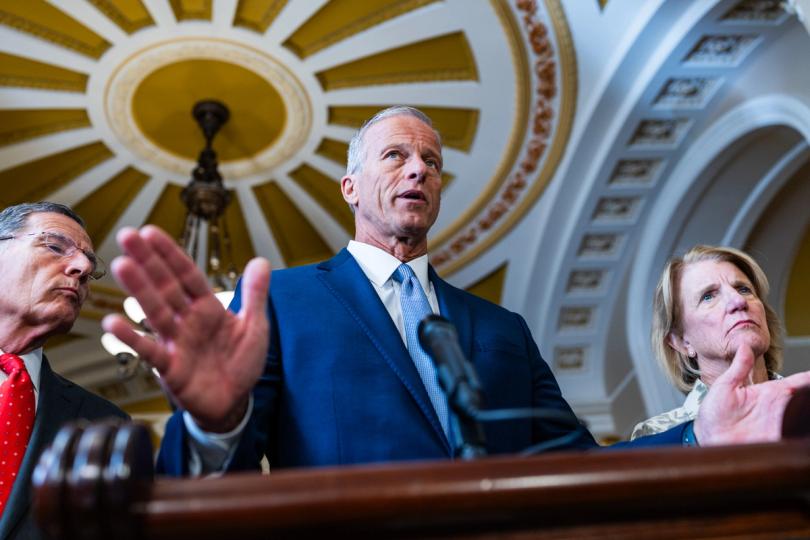
Regulatory Delay: Clarity Act Likely to Miss Congressional Deadline Before Summer Break
This delay underscores the ongoing struggle to harmonize digital asset oversight with traditional financial frameworks. While leadership suggests that discussions might commence before the recess, the missed deadline postpones much-needed clarity for investors and developers, potentially stalling the momentum of the crypto market structure evolution.

Red Sea Chaos: Strike on Saudi Tanker Sends Oil Prices Surging Past $100
As tensions mount in the Red Sea, market indicators suggest a significant bullish trend for energy commodities. Analysts are closely monitoring the situation, with data suggesting a 19.5% probability of crude oil hitting new all-time highs by December 31, potentially reshaping the macroeconomic landscape for the remainder of the year.

Shiba Inu Whale Alert: Massive Concentration Reveals 95% of Supply Held by Few
This extreme concentration poses significant risks for market stability and price action. As these whales hold the power to move the Shiba Inu market with single transactions, understanding this supply dynamics is essential for anyone navigating the volatile memecoin landscape.

Bitcoin Treasury Paradox: Company Erases 7.7M Shares but Bitcoin Per Share Drops
Despite the reduction in share count, the company faced a mathematical setback as the Bitcoin per share metric actually declined. This outcome creates a high-stakes environment for the firm, as it now faces a tougher test in securing replacement funding to restore its treasury efficiency.
