Dollar Surges Past R$ 5.10: How US-Iran Tensions Are Reshaping Investor Strategy
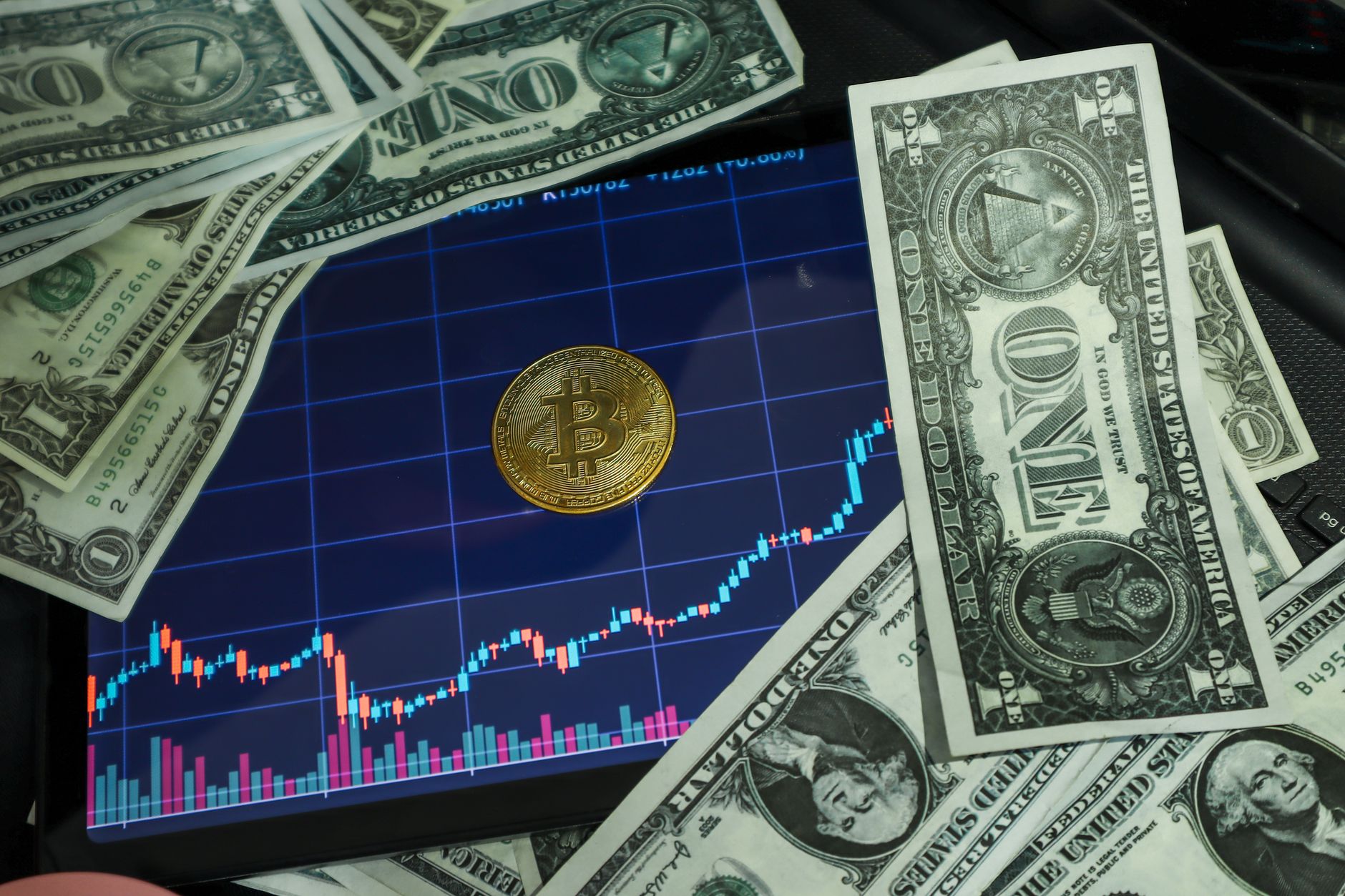
Geopolitical instability has reached a boiling point, driving the dollar above the R$ 5.10 threshold following a night of intense strikes between the US and Iran. This sudden surge in the exchange rate highlights immediate market fear, demanding urgent attention from investors looking to hedge their capital against global uncertainty.
The ongoing US-Iran tension is fundamentally altering risk-reward dynamics, forcing a massive portfolio re-evaluation. The volatility of the US dollar serves as a critical indicator of how international conflicts can trigger rapid shifts in both traditional assets and the crypto market as investors seek safe havens.
The US dollar has once again breached the R$ 5.10 psychological barrier, reacting sharply to the escalating conflict between the United States and Iran. Following a night of military strikes between the two nations, financial markets have shifted into a defensive stance, driving up demand for the greenback as a safe-haven asset.
Understanding the impact on the exchange rate is vital for strategic positioning. In periods of heightened geopolitical tension, volatility is expected to spike, and investors must be prepared for rapid movements that can affect everything from purchasing power to the performance of international assets and cryptocurrencies.
This is a summarized and adapted version by Artificial Intelligence. To read the complete original story, visit the official source.
Read Full Article at BlockTrendsSupport Jornal Bitcoin
Independent journalism, curated by AI, no clickbait. Keep the flame alive with any amount of BTC.
jonata@walletofsatoshi.comDaily Crypto Brief 📬
Subscribe to receive the curation of the most important Bitcoin and crypto news, summarized by AI. No spam.
Join more than 10,000 smart readers.
Related News

Bitcoin Sinks Below $62.5K as US-Iran Conflict Rattles Global Markets
The escalating geopolitical tensions between the US and Iran have injected fresh volatility into the financial landscape, driving a risk-off sentiment. As war fears intensify, the correlation between Bitcoin and traditional equity markets highlights how macroeconomic instability and geopolitical conflicts can trigger rapid liquidations in the crypto space.

Digital Power Move: China and Kazakhstan Ink $15B Deals to Supercharge AI and Digital Asset Infrastructure
Beyond mere hardware, these investments are designed to build a resilient foundation for the future of digital assets and decentralized networks. By integrating AI with robust digital infrastructure, both nations are positioning themselves at the forefront of the global technological shift, creating significant implications for the digital economy.
Bitcoin Dips Below $63K Amid U.S.-Iran Tensions, but Onchain Data Signals Buy the Dip
However, the macro pressure may be temporary. Robust onchain data and a resurgence in Bitcoin ETF inflows indicate that institutional and whale buyers are actively stepping back into the market, viewing this price action as a strategic entry point.

Maritime Chaos: Pirate Attacks in Gulf of Aden Trigger High Alert and Shipping Disruptions
Data suggests that the Bab el-Mandeb Strait could face effective closure or significant operational paralysis by September 30, with impact metrics hitting 21.5%. This sudden maritime instability threatens to disrupt global supply chains and increase volatility in trade-related commodities and logistics sectors.

Power Struggle Unveiled: Fedorov's Ouster and the Pressure on Zelensky
Adding to the geopolitical tension, market sentiment indicators show a stark reality: only 19.5% of respondents believe a peace deal with Russia will be reached before 2027. This lack of diplomatic foresight, combined with domestic political shifts, underscores the prolonged uncertainty facing the region.

Bitcoin Slump: BTC Drops to $63K Amid Iran Conflict and Trump's China Allegations
Adding to the market turbulence, Donald Trump's recent allegations regarding Chinese interference in U.S. elections have heightened macroeconomic uncertainty. The intersection of Middle East instability and U.S.-China tensions is currently the primary driver for the BTC price action.
