The AI Paradox: Microsoft, Google, and Amazon Emissions Surge, Threatening Carbon Neutrality Pledges

The AI-driven arms race is triggering an unexpected side effect: a massive surge in carbon emissions among tech titans. Microsoft, Google, and Amazon are facing a critical paradox as the rapid expansion of AI infrastructure directly clashes with their long-standing carbon neutrality pledges.
This emissions spike underscores the urgent need for scalable sustainable energy solutions to support the sector's growth. As the AI boom demands unprecedented data center capacity and computational power, the tech industry must reconcile rapid innovation with environmental responsibility to prevent their climate goals from becoming obsolete.
The AI-driven boom is causing a significant surge in emissions for tech giants including Microsoft, Google, and Amazon. While these companies have doubled down on their carbon neutrality pledges, the unprecedented energy demand required to power AI models and massive data centers is challenging those very goals. This surge highlights a growing tension between accelerated technological progress and the urgent requirement for sustainable energy solutions to maintain the industry's environmental viability.
This is a summarized and adapted version by Artificial Intelligence. To read the complete original story, visit the official source.
Read Full Article at Crypto BriefingSupport Jornal Bitcoin
Independent journalism, curated by AI, no clickbait. Keep the flame alive with any amount of BTC.
jonata@walletofsatoshi.comDaily Crypto Brief 📬
Subscribe to receive the curation of the most important Bitcoin and crypto news, summarized by AI. No spam.
Join more than 10,000 smart readers.
Related News
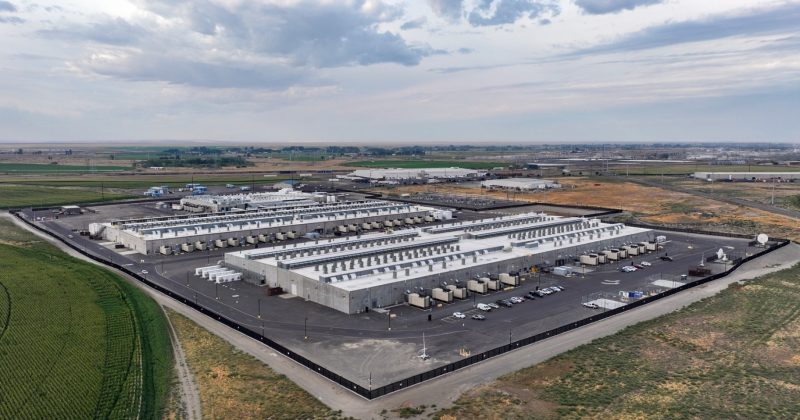
Trump's Energy Mandate: Why AI Giants Must Secure Independent Power Sources
The move toward self-sustained energy could fundamentally reshape global power dynamics and energy markets. Furthermore, this shift is expected to influence the future of crypto mining and intensify the high-stakes technological competition between the United States and China.

Nokia's Massive Rebirth: How the Mobile Giant Conquered AI Data Centers and Surged 150%
By providing the critical connectivity and hardware required for large-scale AI workloads, the Finnish company has tapped into the most lucrative growth engine of the decade. The Nokia turnaround serves as a masterclass in how adapting to the AI infrastructure boom can redefine a legacy corporation's market value.

AI Showdown: 7 Advanced Models, Including ChatGPT 5.6 Sol, Predict Bitcoin's Price for August 1
As the market attempts to recover from a significant downturn, these AI predictions provide a data-driven perspective on Bitcoin's potential trajectory. With BTC still down over 40% from recent highs, the insights from these seven models offer a glimpse into how machine learning interprets current market volatility.

Anthropic Dominates: Polymarket Odds Project Massive Win in AI Model Race
This surge in AI dominance coincides with a massive hardware expansion, as a key AI-linked memory-chip supplier debuted on Wall Street, raising $26.5 billion. With DRAM and high-bandwidth memory (HBM) shortages projected to last until 2030, the race for AI supremacy is increasingly becoming a battle for semiconductor supply chains.
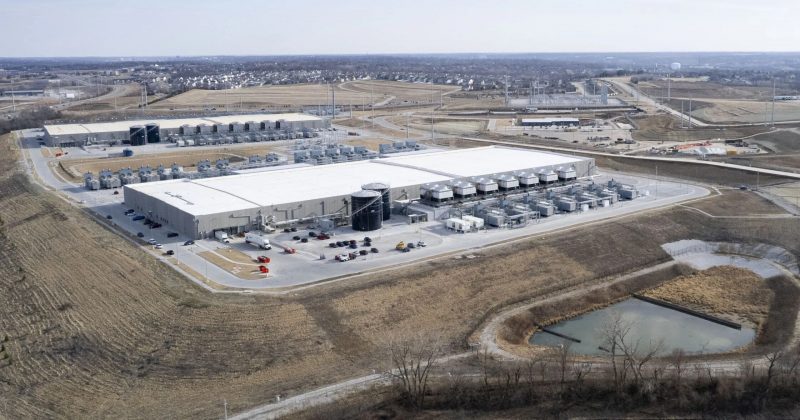
Beyond the Chips: The AI Infrastructure Pivot Making Two Stocks Skyrocket
As the limitations of power supply become a bottleneck for AI scaling, the impact on global investment strategies is profound. Companies providing the essential energy and cooling solutions for data centers are now positioned as the primary beneficiaries of this infrastructure-led expansion, offering a strategic alternative to the crowded chip market.

“Bitcoin Is Over”: Former Google and Meta Engineer Warns of Quantum and Miner 'Time Bombs'
These 'time bombs' highlight a critical tension between technological progress and blockchain security. As quantum computing threatens to break current cryptographic standards, the shifting economic landscape for miners poses a direct challenge to network stability, forcing the crypto community to confront the long-term viability of Bitcoin's current architecture.
