The Ethereum Paradox: How 1 Gwei Gas Fees Are Threatening the ETH Burn Narrative
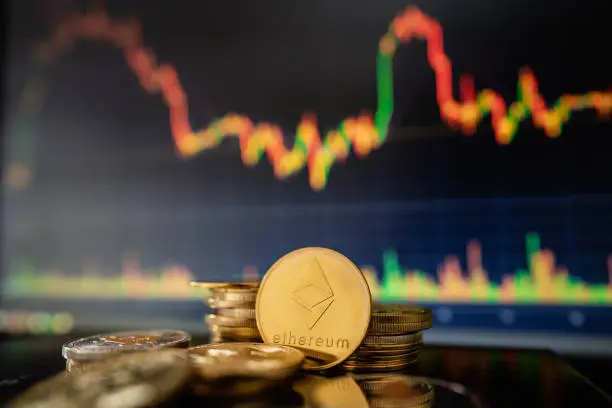
Ethereum is currently facing a critical tension between usability and scarcity as gas fees hover around the 1 gwei mark. While ultra-low transaction costs drive mass adoption and user satisfaction, they simultaneously undermine the network's burn mechanism, which is essential for maintaining its deflationary properties.
This shift in network activity creates a complex landscape for ETH bulls who must weigh the benefits of cheap gas against the weakening of the monetary story. If transaction fees remain too low to trigger significant token destruction, the long-term supply dynamics of Ethereum could face unexpected shifts, impacting its overall market value.
Ethereum users love cheap gas, but ETH bulls have a slightly more complicated relationship with it. Fees around 1 gwei make the network much easier to use and more scalable for retail users, but they also weaken the burn side of Ethereum’s monetary story. The tension between network accessibility and the deflationary pressure of the ETH supply remains a key metric for long-term holders.
This is a summarized and adapted version by Artificial Intelligence. To read the complete original story, visit the official source.
Read Full Article at BitcoinistSupport Jornal Bitcoin
Independent journalism, curated by AI, no clickbait. Keep the flame alive with any amount of BTC.
jonata@walletofsatoshi.comDaily Crypto Brief 📬
Subscribe to receive the curation of the most important Bitcoin and crypto news, summarized by AI. No spam.
Join more than 10,000 smart readers.
Related News

Geopolitical Shockwave: Kuwait Missile Attacks Trigger Bitcoin Dip to $99.5K Before Rebound
This volatility underscores the profound impact that regional tensions can have on crypto market dynamics. As geopolitical risks escalate, the correlation between international security events and Bitcoin price action remains a primary driver for market fluctuations and investor sentiment.
Coinbase UK License: The Dawn of the 'Everything Exchange' Era
By operating under the Markets in Financial Instruments Directive (MiFID) framework, Coinbase is bridging the gap between decentralized finance and traditional capital markets. This strategic expansion in the UK market is set to disrupt the competitive landscape, offering users unprecedented access to diverse asset classes within a single ecosystem.
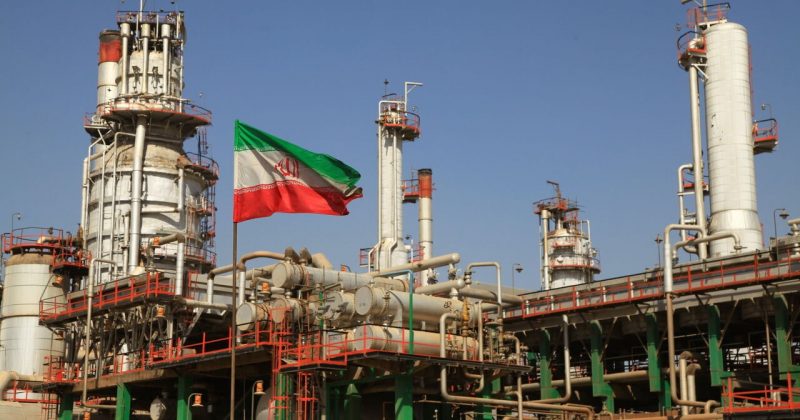
US-Iran Conflict Escalates: Geopolitical Risks Send Shockwaves Through Crypto Markets
This escalation is expected to trigger stricter enforcement of international sanctions, potentially reshaping global financial dynamics and liquidity flows. The intersection of military conflict and decentralized finance means market participants must navigate a complex web of regulatory shifts and macroeconomic instability.
Solana ETF Race Heats Up: Bitwise Filing Moves SOL Beyond Mere Theory
By advancing this filing, Bitwise is actively driving the institutional adoption of Solana. The potential approval of a Solana ETF could trigger a massive shift in liquidity, providing a structured vehicle for capital to flow into the SOL ecosystem and solidifying its status as a cornerstone of the digital asset landscape.

World Cup Final Showdown: France vs Argentina and the Crypto Surge in Sports
This intersection highlights a significant shift in how investment dynamics are evolving alongside major sporting events. As digital assets become more integrated with fan experiences, the synergy between high-stakes competition and crypto innovation is creating unprecedented opportunities for global brand expansion.
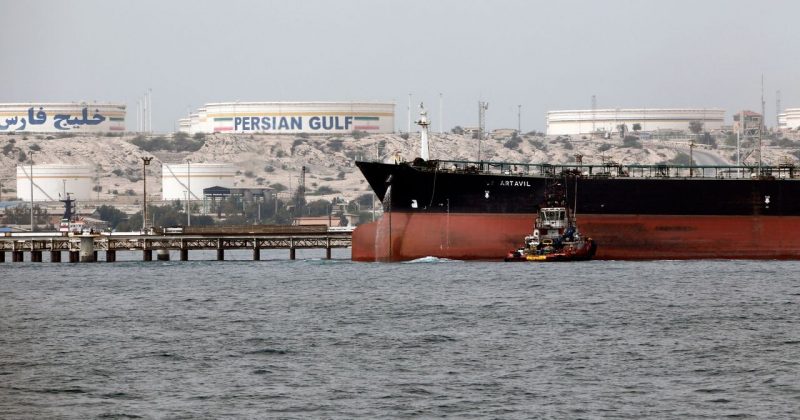
Geopolitical Heat: US Strikes on Iran Spike Energy Prices, Pressuring Crypto Markets
This surge in energy costs poses a significant threat to global inflation levels, potentially forcing central banks into tighter monetary policies. Such shifts typically impact non-yielding assets, placing increased pressure on the crypto market as liquidity and risk appetite fluctuate under geopolitical stress.
