Market Alert: Undervalued Yuan Widens EU Trade Deficit, Warns Deutsche Bank

Deutsche Bank has issued a critical warning regarding the persistent undervaluation of the Chinese yuan against the euro, a factor directly widening the European Union's trade deficit. This currency imbalance provides a strategic edge to Chinese exports, placing significant strain on the EU's economic stability and trade balance.
This ongoing disparity is expected to prompt potential policy shifts and heightened geopolitical tensions between China and the EU. Market participants should prepare for increased volatility in global currency dynamics and potential regulatory responses aimed at addressing these structural trade imbalances.
Deutsche Bank reports that China's yuan remains undervalued against the euro, a trend that is actively widening the EU trade deficit. This valuation gap creates an uneven playing field in international trade, favoring Chinese manufacturing and impacting European competitiveness.
The yuan's undervaluation strains EU-China trade relations, prompting potential policy shifts that could impact global markets and currency dynamics. As the gap persists, the risk of retaliatory trade measures or significant shifts in monetary policy increases, making this a key focal point for macro investors.
This is a summarized and adapted version by Artificial Intelligence. To read the complete original story, visit the official source.
Read Full Article at Crypto BriefingSupport Jornal Bitcoin
Independent journalism, curated by AI, no clickbait. Keep the flame alive with any amount of BTC.
jonata@walletofsatoshi.comDaily Crypto Brief 📬
Subscribe to receive the curation of the most important Bitcoin and crypto news, summarized by AI. No spam.
Join more than 10,000 smart readers.
Related News

Gibraltar Breaks Ground with World's First Dedicated Prediction-Market Regulatory Regime
This decisive move sets Gibraltar on a completely different trajectory compared to mainland Europe, where regulators are increasingly moving to restrict these platforms. By implementing a bespoke regime that diverges from the European mainstream, Gibraltar is positioning itself as a premier destination for decentralized finance and prediction-market operators seeking regulatory certainty.

Polymarket Surge: Le Pen Odds Hit 30% for 2027 France Race Amid Russia Sanctions Buzz
The political landscape is shifting rapidly as legislative discussions regarding Russia sanctions intensify. This volatility suggests that foreign policy tensions and the evolving geopolitical risk in Europe are becoming primary drivers for voter sentiment and market-based political forecasting.
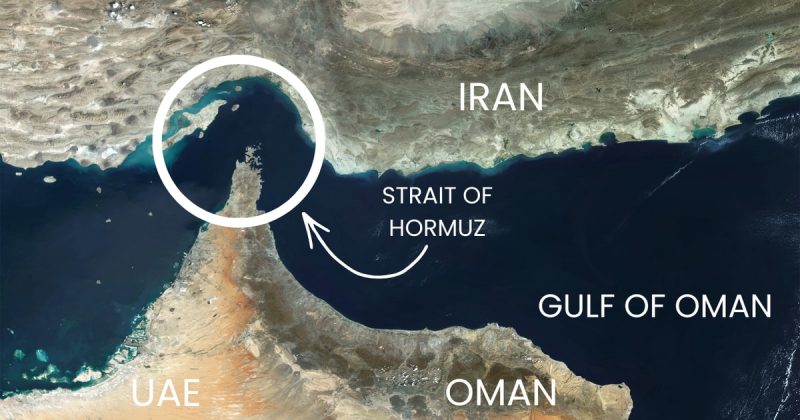
Iran Conflict Escalates: Strait of Hormuz Threatens Global Oil Supply
Beyond the immediate energy crisis, the potential disruption of oil flows threatens broader economic stability and could force a massive shift in global trade patterns. As the situation evolves, the impact on oil prices and the resulting economic consequences remain a primary concern for global financial institutions.

Geopolitical Flashpoint: UAE Condemns Iran’s Alleged Attacks on Oil Tankers in Strait of Hormuz
Rising tensions in the Strait of Hormuz could destabilize regional security and significantly impact global oil markets, creating a ripple effect across international economies. Furthermore, these maritime confrontations are expected to influence Iran's political landscape, adding a layer of complex geopolitical risk to the current global energy outlook.

MiCA Compliance Made Easy: Global Law Firm Launches Automated Tool for Crypto Firms
As the industry moves toward institutional adoption, the demand for robust compliance tools is skyrocketing. Aquarius aims to reduce the legal friction of entering the European market by integrating automated workflows with deep legal expertise, covering everything from due diligence to ESG disclosures. The firm is already eyeing global expansion to support regulatory regimes in the UK, UAE, Hong Kong, and Singapore.
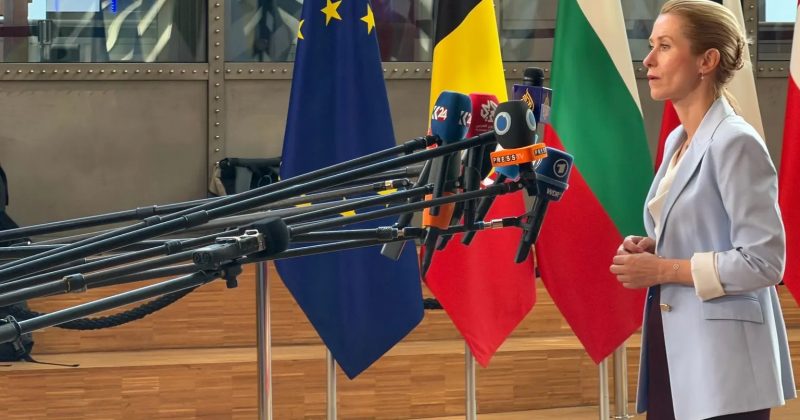
Cyber Warfare Escalation: EU and UK Launch Joint Sanctions Against Russian Cyberattacks
Beyond immediate retaliation, these joint sanctions are designed to disrupt Russian military strategies by limiting their cyber offensive tools. By imposing these economic and technological barriers, the EU and UK hope to mitigate the likelihood of further military advances into Ukraine, effectively raising the cost of digital aggression in the ongoing conflict.
