Cyber Warfare Escalation: EU and UK Launch Joint Sanctions Against Russian Cyberattacks
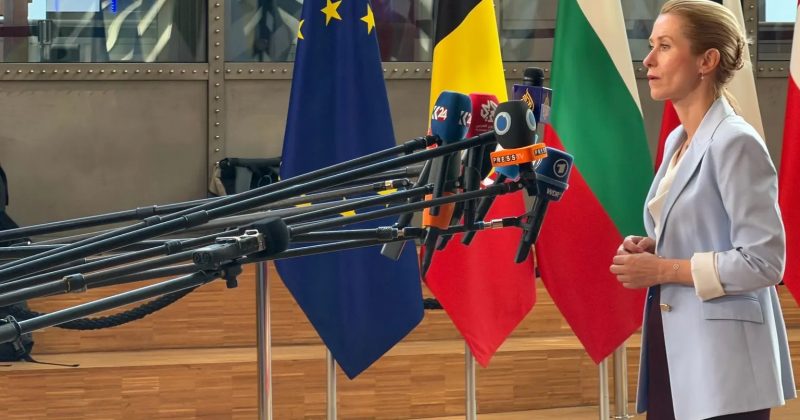
The European Union and the United Kingdom have officially launched a coordinated sanctions regime targeting Russia following a surge in sophisticated cyberattacks. This decisive action aims to cripple the digital capabilities used by the Kremlin, establishing a robust deterrent against state-sponsored cyber threats targeting global stability.
Beyond immediate retaliation, these joint sanctions are designed to disrupt Russian military strategies by limiting their cyber offensive tools. By imposing these economic and technological barriers, the EU and UK hope to mitigate the likelihood of further military advances into Ukraine, effectively raising the cost of digital aggression in the ongoing conflict.
The EU and UK have imposed joint sanctions on Russia in response to ongoing cyberattacks. This strategic move is intended to deter Russian cyber activities, potentially influencing their broader military strategies and reducing the likelihood of further advances into Ukraine. The coordinated effort marks a significant escalation in the international community's response to state-sponsored digital warfare.
This is a summarized and adapted version by Artificial Intelligence. To read the complete original story, visit the official source.
Read Full Article at Crypto BriefingSupport Jornal Bitcoin
Independent journalism, curated by AI, no clickbait. Keep the flame alive with any amount of BTC.
jonata@walletofsatoshi.comDaily Crypto Brief 📬
Subscribe to receive the curation of the most important Bitcoin and crypto news, summarized by AI. No spam.
Join more than 10,000 smart readers.
Related News
Hormuz Crisis Escalates: US Embassy in UAE Cancels Consular Appointments
Beyond diplomacy, the crisis threatens to destabilize Iran's political landscape and reshape regional security dynamics. Market participants are closely monitoring the situation, as potential shifts in leadership and regional stability trigger immediate reactions across global financial markets.
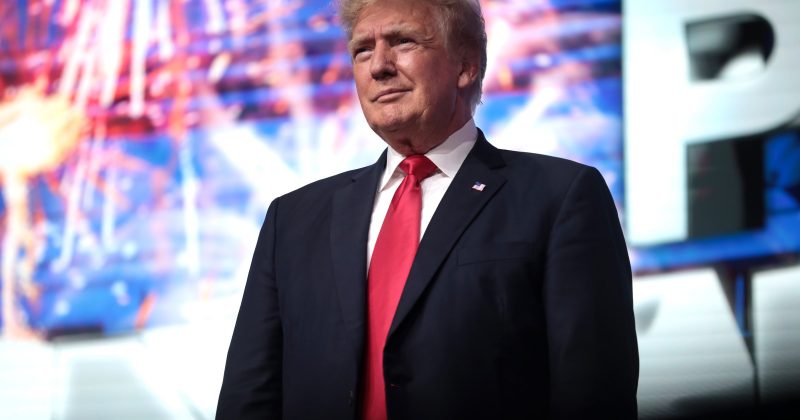
Trump Dismisses Vietnam Comparisons as US-Iran Conflict Escalates
This escalation carries profound implications for international stability and future reconstruction deals. As geopolitical tensions rise, the market must brace for increased uncertainty, as the current trajectory suggests a shift away from diplomacy, potentially impacting global economic recovery and investor sentiment.

Game Changer? Aave Founder Praises UK's New Crypto Lending Tax Policy
Industry experts suggest that this regulatory clarity could trigger a wave of institutional interest in the UK market. By defining how digital assets and liquidity activities are taxed, the UK is setting a precedent that could influence global crypto lending standards and drive widespread adoption.
Polymarket Alert: Odds of Iran Regime Collapse Drop to 9.5% Amid Israel Election Set
The volatility is compounded by Israel's decision to hold national elections on October 27. As Benjamin Netanyahu confirms his candidacy under heavy scrutiny over security failures and the ongoing Gaza war, the political landscape in Israel is poised to become a primary driver for regional stability and Polymarket trends.
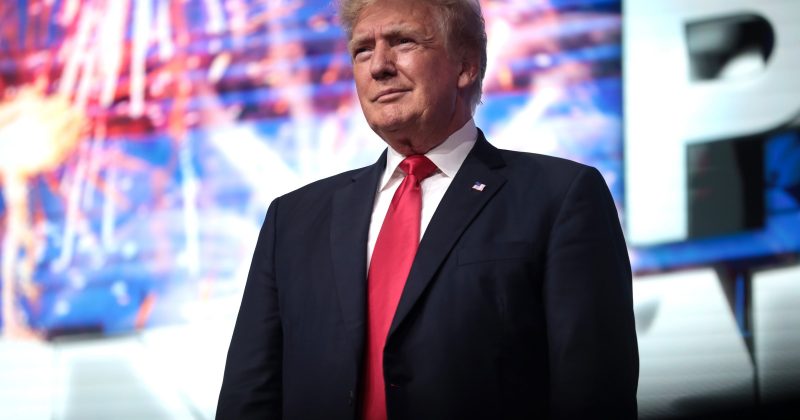
Geopolitical Shockwave: US Strikes 170 Iranian Targets as Trump Hints at Potential Deal
This dual strategy of military force and diplomatic readiness is poised to reshape regional stability and significantly influence global market dynamics. As uncertainty rises, the interplay between these high-stakes maneuvers will likely dictate market sentiment and the flow of capital across both traditional and digital asset classes.
MiCA Compliance Made Easy: Global Law Firm Launches Automated Tool for Crypto Firms
As the industry moves toward institutional adoption, the demand for robust compliance tools is skyrocketing. Aquarius aims to reduce the legal friction of entering the European market by integrating automated workflows with deep legal expertise, covering everything from due diligence to ESG disclosures. The firm is already eyeing global expansion to support regulatory regimes in the UK, UAE, Hong Kong, and Singapore.
