The $1.6 Billion Leak: Why Massive Crypto Liquidity is Sitting Idle and Wasting Away
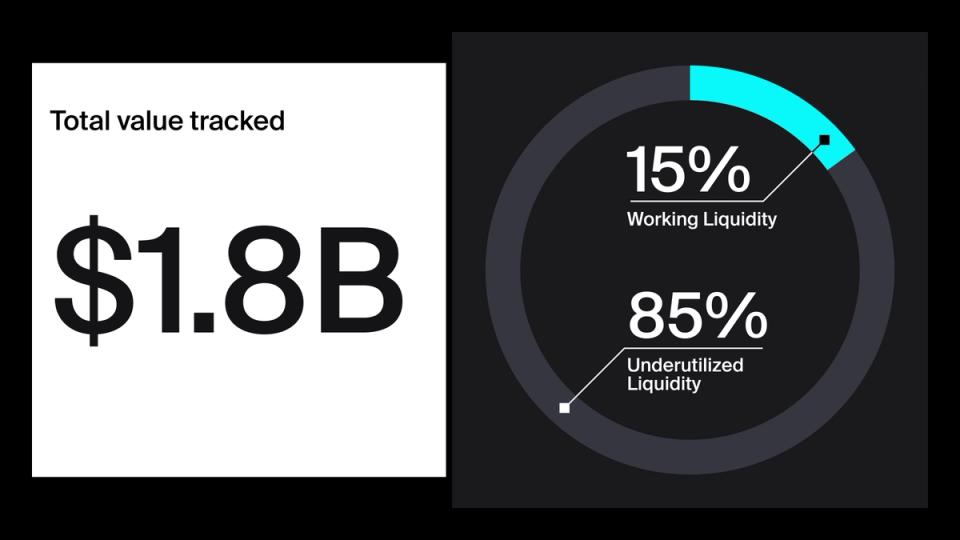
A massive inefficiency has been identified in the crypto markets, with approximately $1.6 billion in liquidity currently sitting idle. Data shows that roughly $542 million weekly is positioned outside of active trading ranges, failing to contribute to market depth or provide essential stability during price fluctuations.
This stagnation represents a significant loss of opportunity, as this capital is earning zero fees and failing to support the broader ecosystem. By remaining inactive, this liquidity misses the chance to facilitate smoother trades and bolster the economic efficiency of decentralized and centralized exchanges alike.
Consequently, this capital is earning zero fees and providing no market depth. Without this liquidity being active in the zones where trades actually happen, the market loses a vital buffer, potentially leading to increased slippage and higher volatility for traders.
This is a summarized and adapted version by Artificial Intelligence. To read the complete original story, visit the official source.
Read Full Article at CoinDeskSupport Jornal Bitcoin
Independent journalism, curated by AI, no clickbait. Keep the flame alive with any amount of BTC.
jonata@walletofsatoshi.comDaily Crypto Brief 📬
Subscribe to receive the curation of the most important Bitcoin and crypto news, summarized by AI. No spam.
Join more than 10,000 smart readers.
Related News
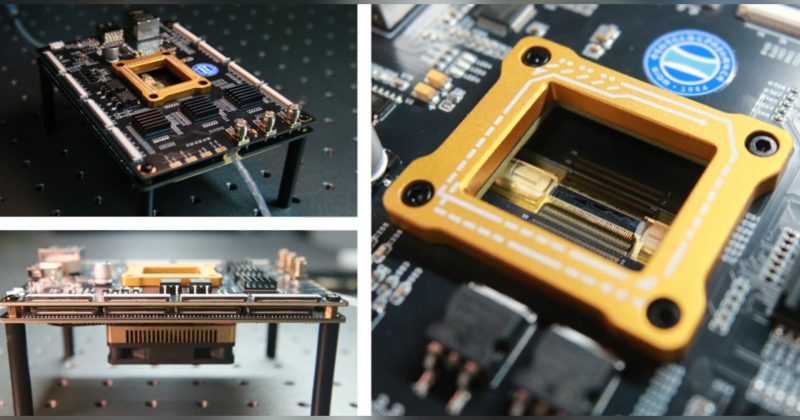
China's Breakthrough: 3D Optical Chips Produced in Seconds, Fueling the AI and Crypto Hardware Race
This rapid production capability is a game-changer for the AI and crypto hardware race, offering the potential for massive infrastructure scaling. As the demand for specialized computing power surges, this semiconductor innovation could dictate the leaders of the next decentralized computing era.

AI Arms Race Ignites: Kimi K3 Outperforms PyTorch in H100 CUDA Kernel Speed by 14x
This development significantly intensifies the US-China AI race, as the Kimi K3 directly challenges the dominance of top-tier US AI labs. By maximizing GPU performance through superior kernel generation, this breakthrough could redefine how hardware-software integration dictates the winner of the next era of artificial intelligence.
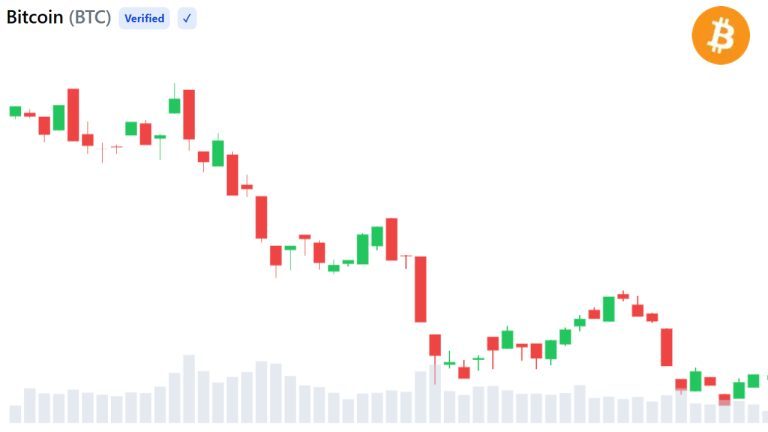
End of Bear? Critical Cost Basis Crossover Signals Bitcoin May Be in Final Bear Market Phase
This specific cost basis crossover mirrors historical Bitcoin cycles, providing a blueprint for potential market reversals. Data from blockchain analytics firm Cryptoquant indicates that this exhaustion of selling pressure could mark the transition from a prolonged bear market to a new bullish phase.

Geopolitical Chaos: Polymarket Odds for US–Iran Ceasefire Plummet Amid Airstrikes
The situation escalated rapidly after the deaths of two US service members in Jordan, triggering a cycle of military retaliation. As strike exchanges continue, the market's reaction highlights the growing uncertainty and the potential for a broader conflict that could disrupt international stability and influence broader asset volatility.

Sanctions Evasion: Iran Uses $7.8B in Crypto to Smuggle Oil to China
The integration of digital assets into large-scale oil smuggling highlights a growing trend in sanctions evasion that challenges global financial stability. As crypto becomes a primary tool for bypassing traditional banking oversight, the geopolitical consequences for US-led economic pressure and the future of commodity trading are profound.

The Bot Takeover: Automated Traffic Outnumbers Humans, Threatening Crypto Markets
This trend carries heavy implications for crypto markets, specifically regarding the evolution of AI trading and the resilience of blockchain infrastructure. As bots become the primary drivers of online interaction, the potential for increased market volatility and sophisticated automated attacks poses a significant challenge to the integrity of decentralized finance.
