US Congress Moves on AI Policy: Why Crypto Investors Can't Afford to Look Away
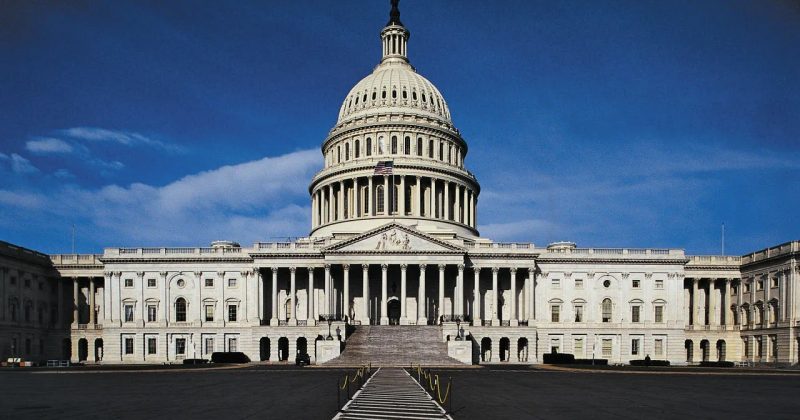
House Democrats have proposed the formation of a bipartisan AI policy group in Congress, signaling a major shift in how Washington approaches emerging technologies. This legislative move is a critical signal for the crypto market, as the boundaries between artificial intelligence and decentralized finance continue to blur.
Investors and developers must monitor these legislative developments closely to anticipate shifts in regulatory frameworks. As AI and blockchain technologies converge, the policies established by this bipartisan group could define the operational landscape for digital assets and automated smart contracts for years to come.
This is a summarized and adapted version by Artificial Intelligence. To read the complete original story, visit the official source.
Read Full Article at Crypto BriefingSupport Jornal Bitcoin
Independent journalism, curated by AI, no clickbait. Keep the flame alive with any amount of BTC.
jonata@walletofsatoshi.comDaily Crypto Brief 📬
Subscribe to receive the curation of the most important Bitcoin and crypto news, summarized by AI. No spam.
Join more than 10,000 smart readers.
Related News

ECB Shakeup: Spain Nominates Pablo Hernández de Cos, Signaling Major Shifts for Crypto
Crypto markets should brace for impact as his leadership could fundamentally reshape the landscape for stablecoins and digital assets across Europe. His potential influence on regulatory standards and the integration of blockchain technology marks a pivotal moment for institutional crypto adoption.

Merger Collapse: Strike and Tether-backed Twenty One Capital Part Ways
This strategic breakdown triggers a leadership reshuffle, with Jack Mallers stepping down as CEO of Twenty One Capital while retaining his position at Strike. While the Strike deal has dissolved, negotiations between Twenty One Capital and Elektron Energy are reportedly still ongoing, suggesting a fragmented restructuring of Tether's broader investment interests.

Google's New AI Chip Promises 10x Efficiency Boost to Challenge Nvidia Dominance
This strategic move is a direct challenge to Nvidia's current market monopoly, as Google seeks to decrease its reliance on external GPU providers. By mastering its own silicon, Alphabet is positioning itself to lead the next phase of the AI arms race through superior cost-to-performance ratios.

Polymarket Odds Hit 99.95%: Bitcoin Set to Blast Past $56K by July 22
This surge in confidence is fueled by strengthening institutional demand for Bitcoin ETFs and optimistic regulatory whispers. Specifically, reports suggest the White House has reached an agreement on ethics-package wording tied to the Clarity Act, providing the legal framework necessary to sustain long-term crypto market growth.
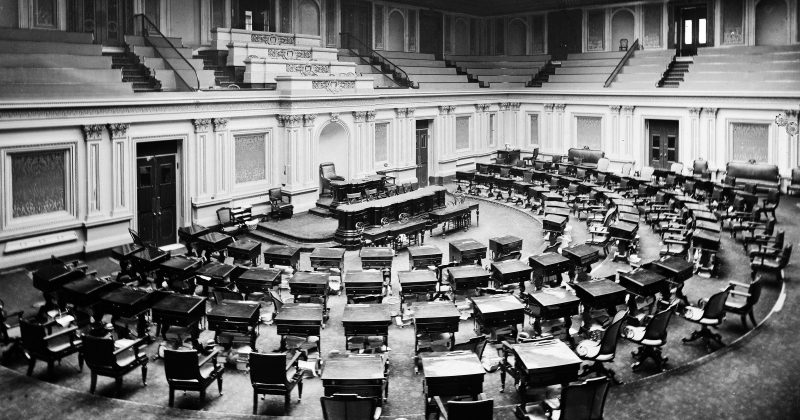
Senate Countdown: Critical Vote on Digital Asset Market Clarity Act Looming Before August Recess
As lawmakers prepare for the vote, the implications for the broader financial ecosystem are immense. Establishing clear rules for digital assets could trigger a massive wave of institutional adoption, effectively bridging the gap between traditional finance and the decentralized economy through structured oversight.

Russia Passes Crypto Regulation Law and Bans Domestic Crypto Payments
This regulatory shift comes at a time of intense market speculation regarding the long-term trajectory of digital assets. Despite the crackdown in Russia, some market participants remain focused on extreme bullish scenarios, with projections suggesting a 2.1% chance of Bitcoin hitting $200,000 by December 31, 2026.
