The 'Quiet Re-rating': Why DeFi is Outperforming Bitcoin Amid Market Volatility
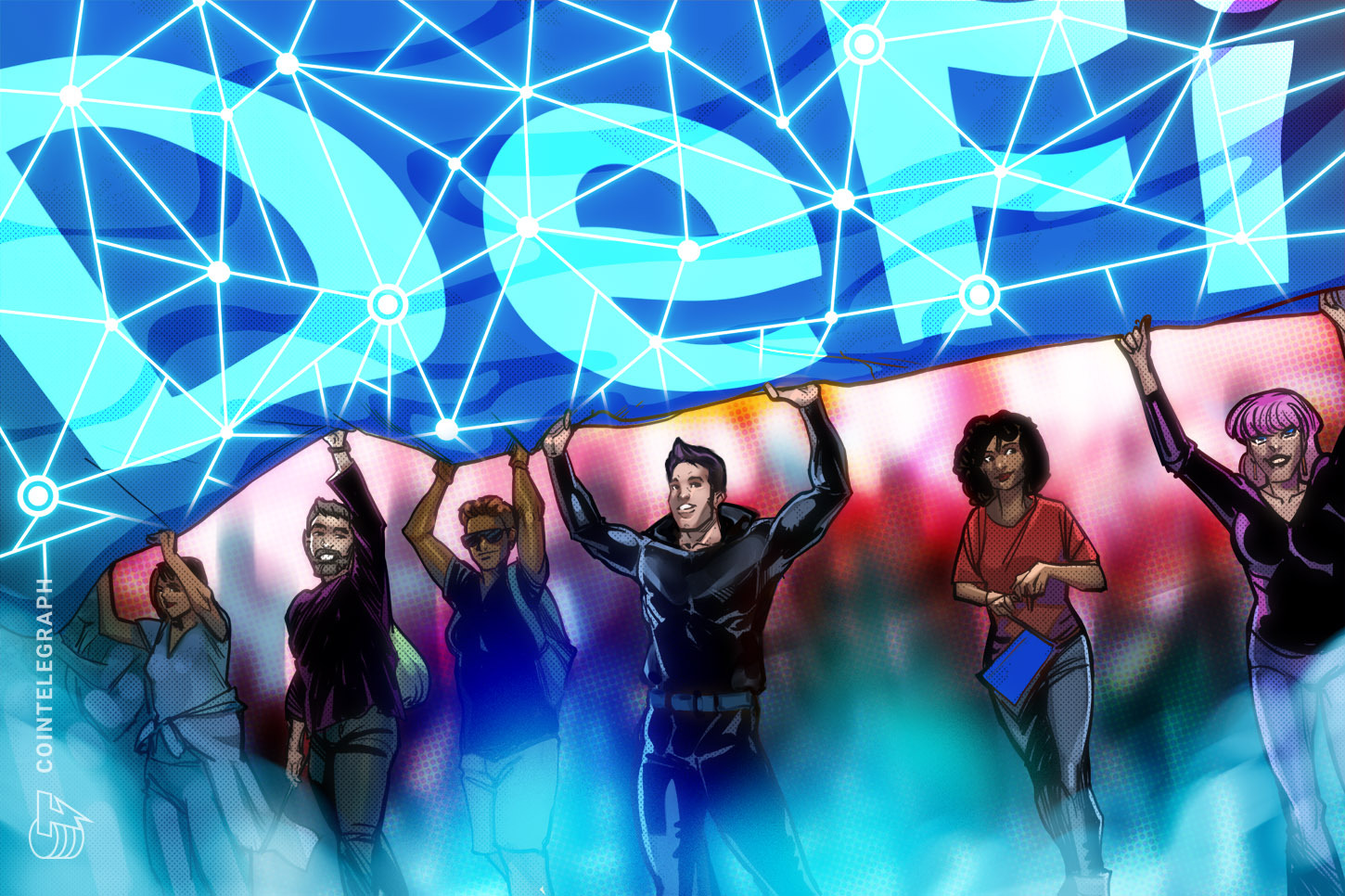
Decentralized finance (DeFi) tokens are exhibiting unexpected resilience, signaling what Bitwise describes as a 'quiet re-rating' of the entire sector. While Bitcoin (BTC) experienced a sharp decline of roughly 22% in June, Bitwise’s index of major DeFi protocols fell by only 4%, defying the historical trend where DeFi assets typically experience much higher volatility than Bitcoin.
This significant outperformance suggests a potential shift in market sentiment and capital allocation. As DeFi protocols demonstrate an unusual ability to hold value during Bitcoin corrections, investors may be beginning to re-evaluate the risk-reward profile of decentralized finance, potentially leading to a broader rotation into high-utility crypto assets.
'DeFi usually swings much harder than Bitcoin, so holding up this well is unusual, and almost no one is talking about it,' Bitwise stated in a recent report. This divergence highlights a growing trend where DeFi assets are decoupling from Bitcoin's downward momentum, showcasing a level of stability that contradicts their typical high-volatility reputation.
This is a summarized and adapted version by Artificial Intelligence. To read the complete original story, visit the official source.
Read Full Article at CoinTelegraphSupport Jornal Bitcoin
Independent journalism, curated by AI, no clickbait. Keep the flame alive with any amount of BTC.
jonata@walletofsatoshi.comDaily Crypto Brief 📬
Subscribe to receive the curation of the most important Bitcoin and crypto news, summarized by AI. No spam.
Join more than 10,000 smart readers.
Related News

World Cup Showdown: Spain vs Belgium Match Acts as Litmus Test for Crypto Fan Tokens
This phenomenon underscores the significant speculative risks associated with sports-based digital assets, where market movements are often driven by intense emotional shifts rather than fundamental utility. As fans react to every goal and penalty, the intersection of football and blockchain continues to showcase high-risk, high-reward dynamics.

China’s Submarine Missile Test Sends a Warning to Washington: Why Markets Are on Edge
As military capabilities expand, the risk of miscalculation grows, prompting urgent calls for improved communication between global superpowers. For investors, this heightened instability acts as a primary driver for market volatility, potentially shifting capital toward decentralized assets as a hedge against geopolitical unrest.

World Cup 2026: The Ultimate Marketing Catalyst for Crypto Adoption
This strategic shift aims to redefine the landscape of sports marketing and fan engagement dynamics. As the lines between digital assets and physical experiences blur, the World Cup provides a global stage to reshape how fans interact with their favorite sports through decentralized technology.

Bitcoin Surges Toward $64,000 as Chip Rally and Yen Strength Fuel Gains
Remarkably, this 4.2% gain over the last seven days comes despite significant global headwinds, including oil shocks, a bond selloff, and heightened geopolitical tensions involving U.S. strikes on Iran. The ability of Bitcoin to maintain this trajectory amidst such macro volatility underscores its growing resilience in the current financial landscape.
Security Alert: Hackers Attempt to Backdoor Injective npm Package to Steal Wallet Keys
The incident underscores the critical need for enhanced security measures in software supply chains to protect sensitive crypto assets. As attackers pivot toward infrastructure vulnerabilities, maintaining the integrity of open-source dependencies is paramount for the survival of the broader crypto ecosystem.
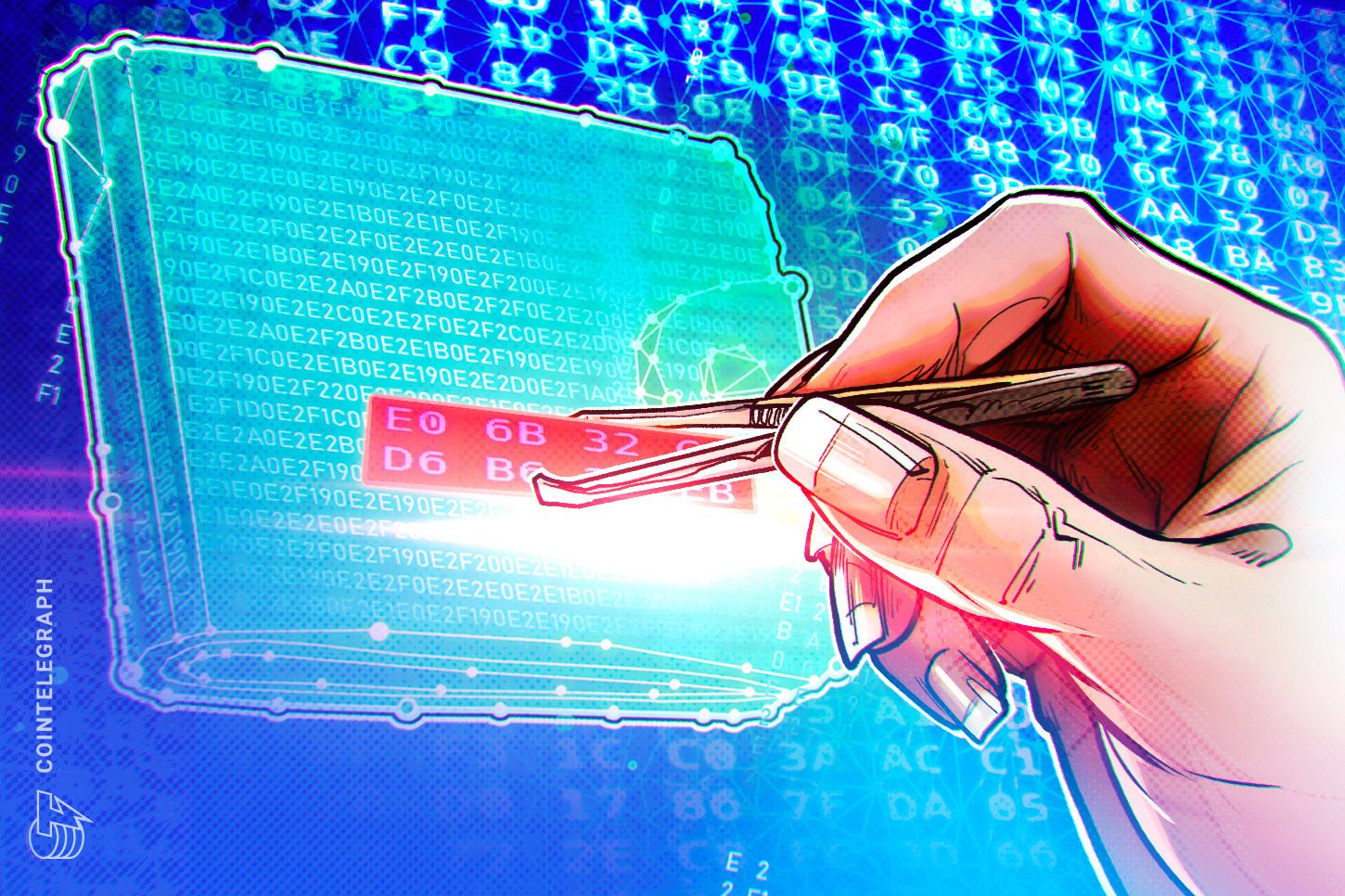
Security Alert: Hackers Target Injective Wallet Keys via Malicious npm Package
With roughly 50,000 weekly downloads, the scale of this breach poses a significant threat to developers and applications handling Injective wallet workflows. While the malicious code has been successfully removed, the incident underscores a dangerous trend of attackers using trusted platforms to deliver malicious payloads into the decentralized finance space.
