Crypto ATM Crackdown: US Congress Moves to Stop $333M Scam Epidemic
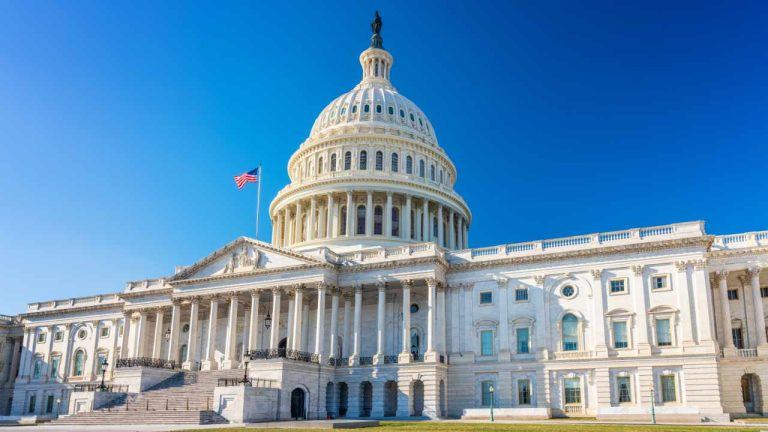
US lawmakers are launching a bipartisan legislative strike against crypto ATM fraud following staggering FBI reports of over $333 million in losses. The proposed bill aims to enforce strict transaction limits and mandatory scam warnings, creating a much-needed safety net for users navigating the volatile crypto ATM landscape.
This regulatory push specifically targets the vulnerability of older Americans, who have been disproportionately affected by these financial scams. By mandating updated kiosk location records and comprehensive transaction logs, the bill seeks to bring transparency to an industry currently plagued by high-stakes fraud and identity theft risks.
Lawmakers are seeking to curb crypto ATM fraud with a bipartisan bill that would set transaction limits, mandate scam warnings, and require transaction records and updated kiosk location records. The proposal follows FBI-cited losses of more than $333 million, with older Americans accounting for most known-age financial losses.
This is a summarized and adapted version by Artificial Intelligence. To read the complete original story, visit the official source.
Read Full Article at Bitcoin.comSupport Jornal Bitcoin
Independent journalism, curated by AI, no clickbait. Keep the flame alive with any amount of BTC.
jonata@walletofsatoshi.comDaily Crypto Brief 📬
Subscribe to receive the curation of the most important Bitcoin and crypto news, summarized by AI. No spam.
Join more than 10,000 smart readers.
Related News
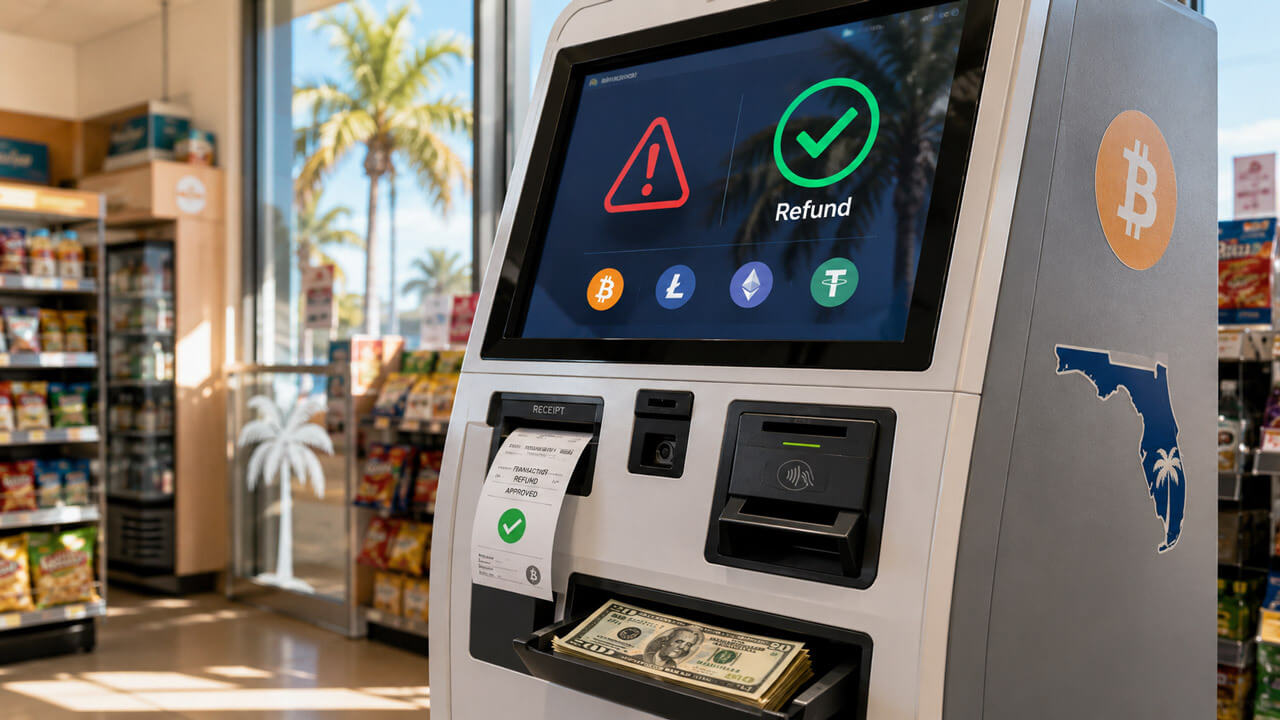
Florida's New Crypto ATM Law Could Force Businesses to Eat the Cost of Scams
This regulatory shift effectively turns scam refunds into a standard cost of doing business for kiosk operators. As the industry watches closely, the implementation of these rules could redefine the risk profile for crypto ATM businesses, potentially making certain markets too expensive to operate due to the direct liability for fraudulent transactions.
Crypto ATM Crackdown: Tennessee and Georgia Enforce Strict Bans and Limits
This legislative movement follows similar crackdowns in Indiana and upcoming restrictions in Minnesota, signaling a growing trend of state-level regulation against crypto hardware. These measures could significantly impact retail accessibility, potentially creating friction for users attempting to bridge fiat and digital assets through physical kiosks.
STJ Ruling: Bitcoin Fraud Case Involving NUI Social to be Tried in São Paulo
This legal milestone is a significant development for the Brazilian crypto landscape, clarifying jurisdictional boundaries for cybercrimes and financial fraud. As authorities move forward, the case highlights the extreme risks associated with platforms offering guaranteed yields, a common red flag in cryptocurrency scams and fraudulent investment schemes.

Senate Clock Ticking: Galaxy Research Slashing CLARITY Act Odds to 50-50
This shift reflects a tightening window for political consensus and could have significant implications for market stability. The uncertainty surrounding the CLARITY Act passage highlights the ongoing struggle to establish clear frameworks for digital assets, leaving investors on edge as the Senate faces a race against time.

Binance to pause services in Europe: without MiCA crypto license, the exchange scrambles to regain authorization
The move highlights the real-world effect of crypto regulation in Europe. As Binance works to secure a new MiCA authorization, users and traders should watch the timeline closely—limitations can quickly change access to products, trading routines, and overall market liquidity.

$917 Million Vanished: Fake Federal Agents Using High-Pressure Crypto Scams
By utilizing spoofed calls and fake badges, these scammers create a high-stakes environment of fear to bypass critical thinking. This sophisticated wave of financial traps highlights the growing danger of social engineering within the digital asset space, where urgency is weaponized to facilitate irreversible theft.
