$917 Million Vanished: Fake Federal Agents Using High-Pressure Crypto Scams

Federal prosecutors have issued a dire warning as imposter scams reach a staggering $917 million in reported losses. Fraudsters are impersonating government officials to manipulate victims into using crypto ATMs, executing wire transfers, and performing cash handoffs under extreme duress.
By utilizing spoofed calls and fake badges, these scammers create a high-stakes environment of fear to bypass critical thinking. This sophisticated wave of financial traps highlights the growing danger of social engineering within the digital asset space, where urgency is weaponized to facilitate irreversible theft.
This is a summarized and adapted version by Artificial Intelligence. To read the complete original story, visit the official source.
Read Full Article at Bitcoin.comSupport Jornal Bitcoin
Independent journalism, curated by AI, no clickbait. Keep the flame alive with any amount of BTC.
jonata@walletofsatoshi.comDaily Crypto Brief 📬
Subscribe to receive the curation of the most important Bitcoin and crypto news, summarized by AI. No spam.
Join more than 10,000 smart readers.
Related News

Massive Security Breach: Scammers Drain $3.5 Billion From US Bank Accounts in a Single Year
Of the total losses, nearly $1 billion was attributed to business impersonators, with bank-related scams emerging as the most damaging category. Criminals are increasingly utilizing fake security texts and fraudulent calls to bypass traditional defenses, marking a dangerous evolution in modern financial fraud and phishing tactics.

Bank Account Drain: New Tap-to-Pay Malware Targeting Android Users Spreads Rapidly
Cybersecurity firm D3Lab reports that this fresh wave of malware uses deceptive tactics to trick users into tapping their physical cards against infected devices. This spreading malware poses a significant risk to digital assets, highlighting an urgent need for enhanced mobile security protocols and user awareness.

Sophisticated Phone Scam Drains $250,000 From New York Senior's Chase Bank Account
The audacity of the crime is highlighted by the logistics involved, with the perpetrator withdrawing massive amounts of cash in Arizona while the victim remained in New York. This incident serves as a stark warning regarding bank security protocols and the rising threat of advanced phishing attacks targeting traditional banking users.

Bank Impersonation Scam Costs Illinois City Over $1,000,000
This massive financial fraud highlights the extreme vulnerability of government funds to social engineering attacks. The incident underscores the critical need for enhanced cybersecurity protocols to safeguard public assets against increasingly convincing digital criminals.

Identity Theft Alert: Man Pleads Guilty to Draining $85,100 via Bank Impersonation
This incident underscores the growing threat of identity theft and the critical importance of robust cybersecurity protocols in the financial sector. As the U.S. Department of Justice pursues the case, it highlights how sophisticated impersonation tactics can compromise even established banking systems, leaving consumers vulnerable to targeted financial crimes.
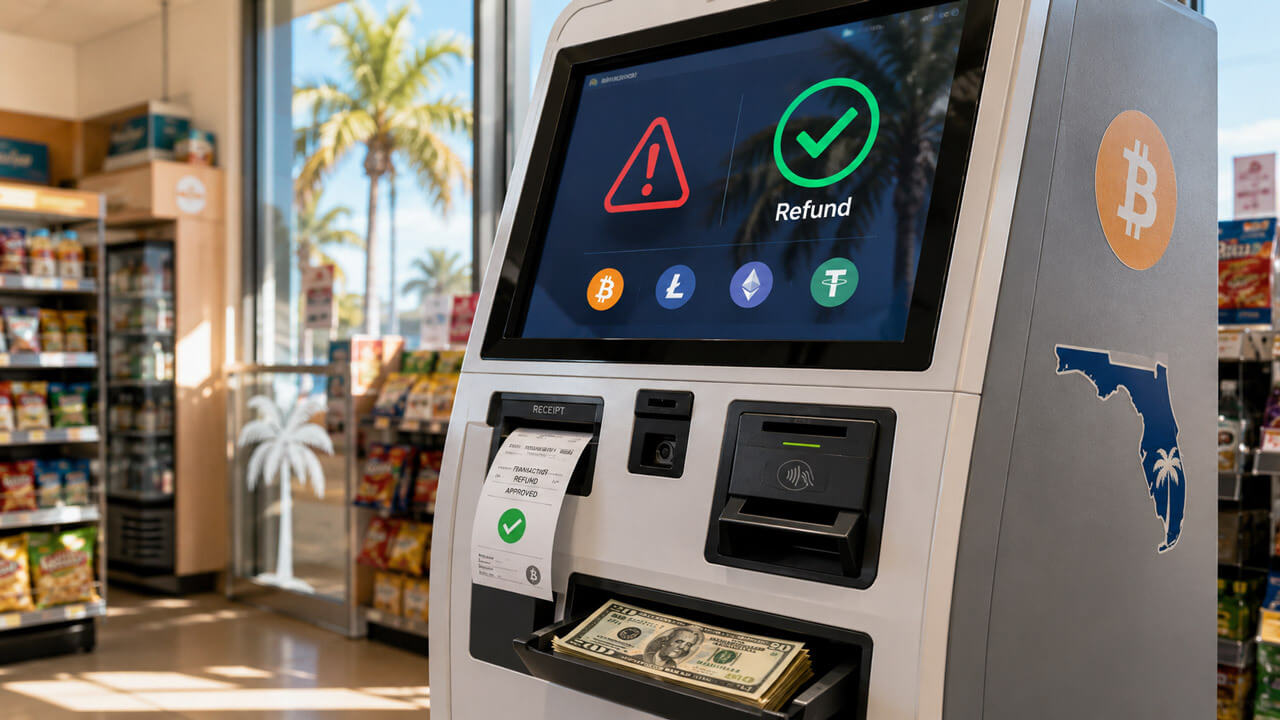
Florida's New Crypto ATM Law Could Force Businesses to Eat the Cost of Scams
This regulatory shift effectively turns scam refunds into a standard cost of doing business for kiosk operators. As the industry watches closely, the implementation of these rules could redefine the risk profile for crypto ATM businesses, potentially making certain markets too expensive to operate due to the direct liability for fraudulent transactions.
