Crypto or Cash? The Legal Battleground Reshaping Stablecoins in Brazil

A high-stakes hearing in the Brazilian Chamber of Deputies has exposed a growing rift between the Central Bank and the crypto industry regarding the legal status of stablecoins. The core conflict centers on whether these tokens should be treated as cryptoassets or as a digital form of money, a distinction that will fundamentally shape the regulatory landscape.
This regulatory tug-of-war carries significant implications for market liquidity and financial innovation. As the Central Bank pushes for stricter oversight and monetary control, the crypto sector warns that misclassifying stablecoins could stifle the decentralized benefits of blockchain technology and limit the growth of digital assets in the national economy.
A recent hearing in the Chamber of Deputies has highlighted a profound disagreement between the Central Bank (BC) and major players in the Brazilian crypto sector. The central debate revolves around a fundamental question: are stablecoins cryptocurrencies or a new form of money?
The divergence over the legal nature of these tokens is the primary friction point for the upcoming stablecoin law. While regulators seek to categorize these assets under monetary control frameworks, the market argues that a crypto classification is essential to preserve decentralization and technological efficiency. The outcome of this dispute will define the future of regulation and the ease of use for these assets in Brazil's financial ecosystem.
This is a summarized and adapted version by Artificial Intelligence. To read the complete original story, visit the official source.
Read Full Article at Portal do BitcoinSupport Jornal Bitcoin
Independent journalism, curated by AI, no clickbait. Keep the flame alive with any amount of BTC.
jonata@walletofsatoshi.comDaily Crypto Brief 📬
Subscribe to receive the curation of the most important Bitcoin and crypto news, summarized by AI. No spam.
Join more than 10,000 smart readers.
Related News

Base Shakeup: Jesse Pollak Steps Down Following Social Strategy Failure
Moving forward, Base is shifting its core focus toward high-utility sectors, specifically targeting payments, trading, and AI agents. This strategic pivot is designed to navigate the intensifying competition among crypto platforms and drive deeper technical adoption.
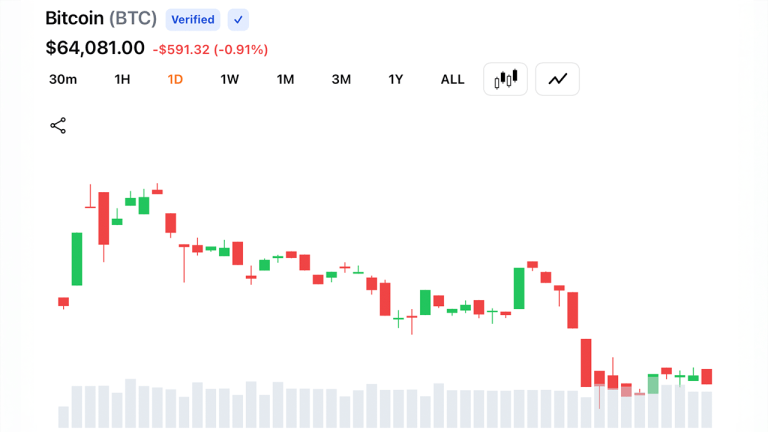
Bitcoin at a Breaking Point: High-Stakes Bull-Bear Showdown Ignites Market Tension
While the broader market structure remains constructive, short-term momentum is visibly weakening across multiple timeframes. Traders are closely monitoring these price action signals to determine if Bitcoin will reclaim its recent highs or succumb to increased selling pressure.

Prediction Markets Defy Crypto Slump with Record-Breaking Q2 Volume
According to the latest CoinGecko Crypto Industry Report, while spot trading across top CEXs plummeted by nearly 28% and perpetual futures volume saw a 10% dip, prediction markets reached unprecedented levels. This trend indicates that investors are increasingly turning to event-based speculation as a hedge or alternative during periods of volatility in the traditional cryptocurrency trading sectors.

Base Shifts Control to Cobie as Stripe Eyes $53B Stablecoin Dominance
This wave of institutional expansion comes amidst significant volatility and security risks in the sector. The DeFi landscape remains perilous, as evidenced by the recent $18 million exploit targeting Ostium, highlighting the persistent threat of fund drainage in decentralized protocols.

Galaxy Unlocks Institutional DeFi: New Vaults Target Massive Stablecoin Yield
By leveraging Fireblocks' extensive network, the platform grants over 2,400 institutional clients seamless access to optimized stablecoin yields. This development signals a significant maturation in the DeFi space, as institutional-grade tools begin to provide the necessary security and curation required by large-scale treasury managers.

FATF Warning: Criminal Networks Developing Custom Stablecoins to Evade Asset Freezes
In a sophisticated move to bypass law enforcement, criminal networks are reportedly developing proprietary stablecoins engineered to resist asset seizures and freezes. The FATF is now calling on global jurisdictions to fast-track crypto AML enforcement to combat these evolving methods of money laundering and evasion.
