Galaxy Unlocks Institutional DeFi: New Vaults Target Massive Stablecoin Yield
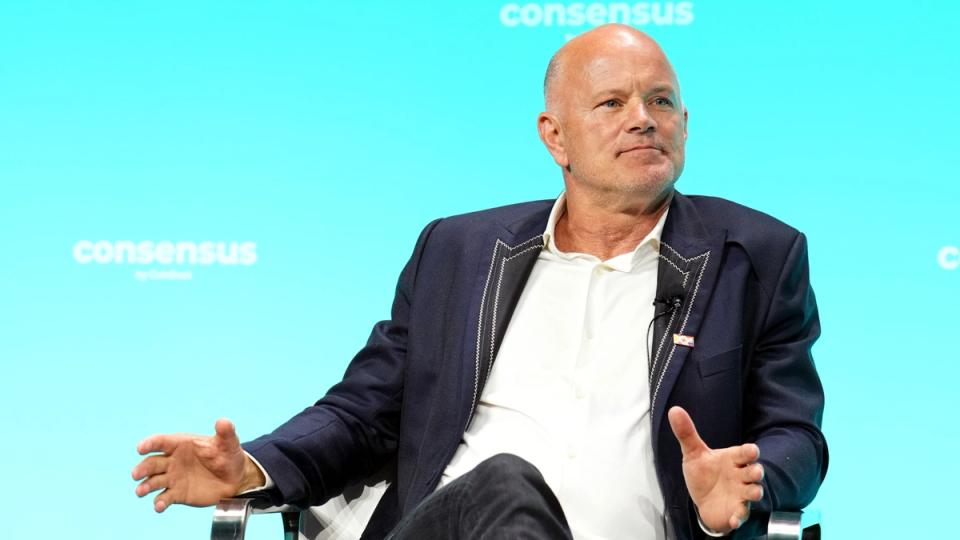
Galaxy has officially entered the institutional yield race with the launch of Galaxy Curator, a specialized platform built on the Morpho protocol. This strategic move is designed to provide sophisticated onchain yield strategies to a massive scale of professional capital, bridging the gap between traditional finance and decentralized protocols.
By leveraging Fireblocks' extensive network, the platform grants over 2,400 institutional clients seamless access to optimized stablecoin yields. This development signals a significant maturation in the DeFi space, as institutional-grade tools begin to provide the necessary security and curation required by large-scale treasury managers.
Crypto financial services leader Galaxy has launched Galaxy Curator, a Morpho-based platform specifically engineered to target institutional stablecoin yield. The new service provides a streamlined gateway for Fireblocks' 2,400 institutional clients to engage with complex onchain yield strategies.
Through the integration of Morpho's protocol and Fireblocks' secure infrastructure, Galaxy Curator aims to simplify the deployment of capital within the DeFi ecosystem, offering professional curation for institutional investors seeking to optimize their digital asset returns.
This is a summarized and adapted version by Artificial Intelligence. To read the complete original story, visit the official source.
Read Full Article at CoinDeskSupport Jornal Bitcoin
Independent journalism, curated by AI, no clickbait. Keep the flame alive with any amount of BTC.
jonata@walletofsatoshi.comDaily Crypto Brief 📬
Subscribe to receive the curation of the most important Bitcoin and crypto news, summarized by AI. No spam.
Join more than 10,000 smart readers.
Related News

Base Shifts Control to Cobie as Stripe Eyes $53B Stablecoin Dominance
This wave of institutional expansion comes amidst significant volatility and security risks in the sector. The DeFi landscape remains perilous, as evidenced by the recent $18 million exploit targeting Ostium, highlighting the persistent threat of fund drainage in decentralized protocols.

The Billion-Dollar Miss: Tim Draper Admits Regret Over Passing on Coinbase
In a twist of fate, Draper's son recognized the burgeoning crypto fortune in the making and invested early, turning a missed opportunity into a massive win for the family. This narrative underscores the critical importance of timing and foresight in the rapidly evolving cryptocurrency market, where missing a single trend can mean missing out on generational wealth.

Solana Reclaims $77 Support: Is DEX Activity Fueling the Next Bull Run?
Beyond the immediate price action, the sustained interest in the Solana ecosystem points to a deeper fundamental shift. As decentralized exchange volumes climb, the ability of SOL to hold these key support levels suggests that the network is building a robust foundation for a potential breakout, solidifying its role as a dominant force in the DeFi sector.

DeFi Alert: Hackers Drain $18 Million via Ostium Oracle Price Manipulation
This breach highlights the systemic risks associated with oracle vulnerabilities within the decentralized finance landscape. As attackers increasingly target price feeds to exploit smart contracts, the Ostium hack underscores the urgent need for enhanced security measures in derivative-based DeFi protocols.

DeFi Alert: Ostium Halts Trading Following Massive $18M Oracle Manipulation Exploit
This exploit underscores the critical vulnerabilities within decentralized finance systems that rely heavily on external data providers. The incident has sparked widespread concerns regarding security standards and the overall trust in DeFi infrastructure as developers scramble to prevent similar oracle-based attacks.
Security Breach: Arbitrum-based DEX Ostium Hit by $18 Million Vault Exploit
Beyond the immediate financial loss, this Ostium exploit highlights deep-seated vulnerabilities in DeFi platforms. Such incidents threaten to undermine market trust and are expected to prompt much stricter security measures and more rigorous auditing standards across the entire DeFi sector.
