South Korea Expands Access for Foreigners to Trade Won-Denominated Bonds

South Korea is aggressively expanding its financial borders by allowing foreign investors to trade a broader range of won-denominated bonds and access won-based loans. The Ministry of Finance's latest move aims to streamline settlement processes by leveraging global giants like Euroclear and Clearstream, removing long-standing hurdles for international capital.
This policy shift is designed to boost market liquidity and deepen the integration of South Korea's financial ecosystem with the global economy. By easing the entry for foreign institutional players, the nation is positioning itself as a more accessible and competitive hub for international bond trading and currency-denominated debt.
South Korea's finance ministry has officially opened the door wider for foreign investors, enabling them to trade an expanded selection of won-denominated bonds and access won loans. This regulatory shift is a strategic move to enhance market accessibility and liquidity.
To ensure seamless execution, the ministry is facilitating settlement through major international clearing houses, specifically Euroclear and Clearstream. This initiative is expected to reduce operational friction, making it significantly easier for global investors to participate in the South Korean debt market.
This is a summarized and adapted version by Artificial Intelligence. To read the complete original story, visit the official source.
Read Full Article at Crypto BriefingSupport Jornal Bitcoin
Independent journalism, curated by AI, no clickbait. Keep the flame alive with any amount of BTC.
jonata@walletofsatoshi.comDaily Crypto Brief 📬
Subscribe to receive the curation of the most important Bitcoin and crypto news, summarized by AI. No spam.
Join more than 10,000 smart readers.
Related News
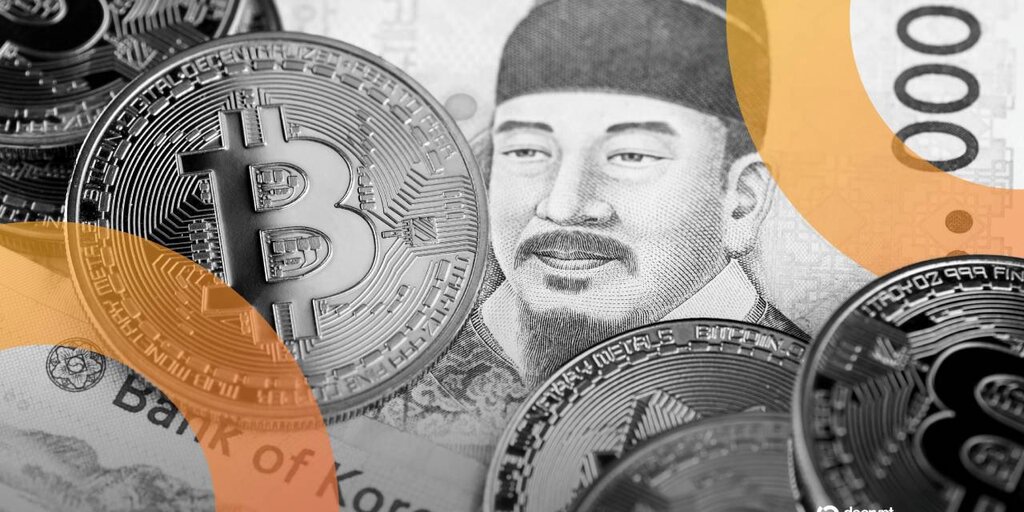
Bank of Korea Goes Big: CBDC Pilot Expands to 500,000 Users with Real Government Funds
This next evolution, Phase 2, represents a massive leap in complexity as it moves beyond mere simulation to involve actual government money. By integrating real liquidity into the pilot, the Bank of Korea is conducting one of the most significant tests of CBDC scalability and institutional utility in the global financial landscape.

The Market Sheriff: Why the CVM Matters for Your Wallet and the Crypto Future
As the landscape shifts toward digital assets, the CVM's influence is expanding into the realm of cryptoassets. Understanding this regulatory framework is essential for investors to navigate the intersection of traditional finance and the crypto economy, as new rules will dictate the security and legality of digital investments in Brazil.
Strategic Pivot: Bitmine Slows Ether Accumulation to Execute $86M Stock Buyback
This tactical shift comes as the company inches closer to its massive goal of cornering 5% of the total Ethereum supply. By balancing aggressive stock buybacks with steady ETH accumulation, Bitmine is playing a high-stakes game to dominate both the crypto market and its own equity value.

Institutional Power Move: OKX Appoints Andrew Cuomo Amid Massive $25B ICE Joint Venture
Valued at a staggering $25 billion, this partnership represents a seismic shift in the convergence of traditional finance and blockchain technology. By leveraging the infrastructure of ICE to tokenize equities, OKX is positioning itself as a dominant force in the Real World Asset (RWA) sector, bridging the gap between Wall Street and the crypto economy.
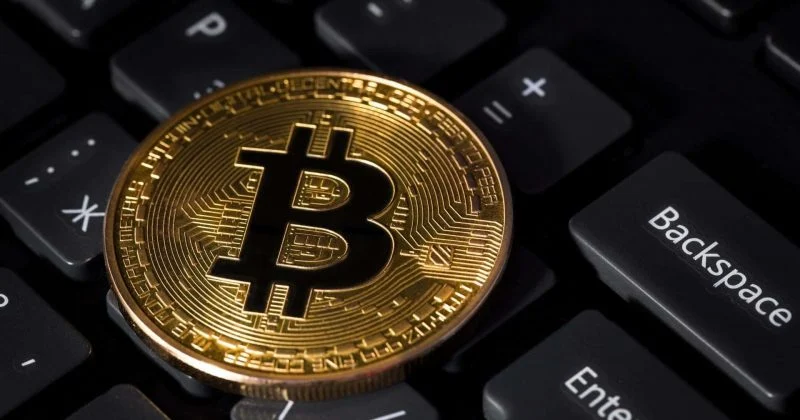
European Financial Milestone: First BTC-Backed Preferred Stock Debuts with 10% Dividend
By integrating Bitcoin as a backing asset for preferred stock, the company is creating a sophisticated gateway for institutional capital to enter the crypto space. This development is expected to reshape how corporations manage treasury assets and how European investors approach Bitcoin exposure through regulated equity markets.

The Two-Front Squeeze: Why Chamath Palihapitiya is Warning Bitcoin Bulls
This dual pressure creates a complex macroeconomic hurdle for digital assets. As the demand for AI-driven computing power skyrockets, the competition for electricity could drive up costs for miners, while the shift in speculative liquidity away from crypto could dampen the upward price action expected by many investors.
