Bank of Korea Goes Big: CBDC Pilot Expands to 500,000 Users with Real Government Funds
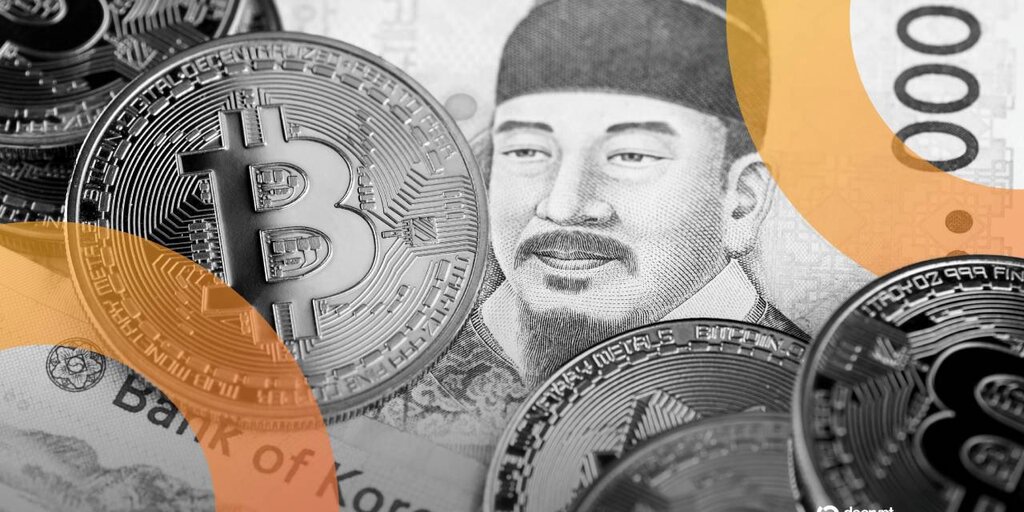
The Bank of Korea is aggressively scaling its digital currency ambitions through the expansion of Project Hangang, aiming to onboard half a million users into its CBDC ecosystem. Following a highly successful Phase 1 that saw 42% engagement across 81,000 digital wallets, the central bank is moving from experimental testing to large-scale implementation.
This next evolution, Phase 2, represents a massive leap in complexity as it moves beyond mere simulation to involve actual government money. By integrating real liquidity into the pilot, the Bank of Korea is conducting one of the most significant tests of CBDC scalability and institutional utility in the global financial landscape.
Phase 2 marks a critical turning point for the initiative. Unlike the initial testing phase, this upcoming stage will involve the movement of real government funds, testing the infrastructure's ability to handle official state liquidity and high-stakes financial transactions in a live environment.
This is a summarized and adapted version by Artificial Intelligence. To read the complete original story, visit the official source.
Read Full Article at DecryptSupport Jornal Bitcoin
Independent journalism, curated by AI, no clickbait. Keep the flame alive with any amount of BTC.
jonata@walletofsatoshi.comDaily Crypto Brief 📬
Subscribe to receive the curation of the most important Bitcoin and crypto news, summarized by AI. No spam.
Join more than 10,000 smart readers.
Related News
Liquidity Revolution: STON.fi Bridges TON to TRON and EVM Stablecoin Ecosystems
By facilitating these cross-chain connections, STON.fi is set to drive significant capital inflow into the TON ecosystem while enhancing the utility of decentralized finance tools. This expansion is a major milestone for blockchain interoperability, addressing liquidity fragmentation and paving the way for a more unified multi-chain future.

New Bill Proposed: Extended Detention Periods to Target Crypto-Related Crimes
This legislative shift addresses the growing gap between outdated legal frameworks and the sophisticated nature of digital transactions. By adapting the law to the blockchain era, the bill seeks to strengthen the fight against cyber-enabled financial crimes, ensuring that the rapid evolution of crypto-assets does not outpace the state's ability to enforce justice.

Asian Markets Surge 4% as Semiconductor Rally Counters AI Selloff
Semiconductors are acting as the primary catalyst for this upward momentum, driving investor confidence back into the tech sector. Nevertheless, the recovery is met with a note of caution, as market data suggests that the underlying volatility in the AI landscape remains a significant risk factor for long-term stability.

UK Banking War: Lawmakers Launch Inquiry Into Crypto Account Blocks
The inquiry explores the broader consequences of financial exclusion for blockchain businesses. By examining these systemic barriers, lawmakers hope to prevent the UK from falling behind in the global digital asset race and ensure that the banking sector supports, rather than obstructs, crypto innovation.

Banking War in the UK? Parliament Launches Inquiry into Crypto Access Barriers
This strategic move aims to assess whether current banking restrictions are proportionate or if they are actively stifling investment, competition, and broader economic growth. By gathering written submissions from banks, payment providers, and crypto firms until August 31, the parliamentary group seeks to deliver a definitive set of recommendations to bridge the gap between traditional finance and the digital asset ecosystem.
Wall Street on Chain: Base to Launch 1:1-Backed Tokenized U.S. Equities
Targeting a rollout by late 2026, this development marks a massive leap for the Real World Asset (RWA) sector. By bringing tokenized equities to a Layer 2 ecosystem, Base is positioning itself as a primary hub for institutional-grade liquidity and decentralized finance integration.
