The MiCA Shift: How Banks are Seizing Control of Europe’s Stablecoin Infrastructure
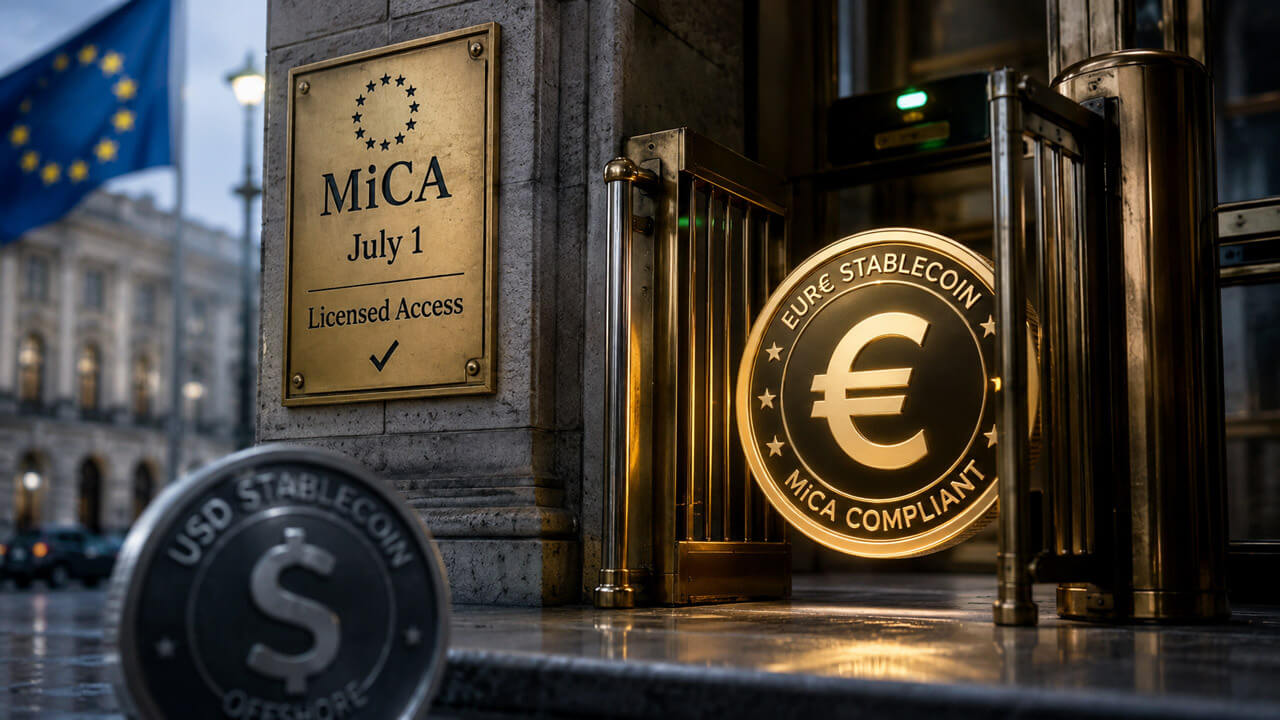
The European Union’s post-transition crypto regime is fundamentally deciding who will control the compliant rails for stablecoins, digital wallets, and retail access. As the MiCA framework takes hold, the power dynamics between decentralized protocols and traditional finance are shifting rapidly.
This regulatory evolution brings major banks closer to dominating the stablecoin landscape, potentially centralizing the infrastructure used by everyday consumers. The consequences for decentralized finance (DeFi) and user autonomy remain a critical point of debate as the EU sets the global standard for crypto compliance.
The EU’s post-transition crypto regime is currently deciding who controls the compliant rails for stablecoins, wallets, and retail access. As the MiCA framework matures, it is increasingly clear that the regulatory landscape is being structured in a way that brings traditional banks closer to controlling the essential infrastructure of Europe's stablecoin market.
This is a summarized and adapted version by Artificial Intelligence. To read the complete original story, visit the official source.
Read Full Article at CryptoSlateSupport Jornal Bitcoin
Independent journalism, curated by AI, no clickbait. Keep the flame alive with any amount of BTC.
jonata@walletofsatoshi.comDaily Crypto Brief 📬
Subscribe to receive the curation of the most important Bitcoin and crypto news, summarized by AI. No spam.
Join more than 10,000 smart readers.
Related News

Crypto Meets Gaming: Esports World Cup 2026 Targets Crypto Sponsors as BBL Esports Climbs
As BBL Esports makes significant strides in the $75M tournament, the industry is witnessing a massive influx of institutional interest. The inclusion of crypto sponsors is expected to drive unprecedented engagement, bridging the gap between high-stakes esports and the decentralized finance revolution.
Nigeria SEC Expands Crypto Sandbox: Kucoin and GIGX Join ARIP Program
With these additions, the Nigeria Sandbox now supervises a total of nine crypto firms, marking a significant milestone in the country's effort to balance innovation with oversight. The expansion of the ARIP program is expected to enhance market stability and provide a clearer roadmap for digital asset compliance in Africa's largest economy.

Bitcoin Stalls: BTC Struggles to Hold $63K as Market Lacks Clear Catalyst
Macroeconomic headwinds are driving the current sentiment, specifically the strengthening US Dollar and the looming anticipation of US inflation data. These external factors are creating a tug-of-war for liquidity, meaning the next major move for Bitcoin will likely depend on how the broader economy reacts to upcoming economic indicators.

FIFA Drama: Belgium's Appeal Sparks Massive Surge in Solana Meme Token!
As the drama unfolds, a specific Solana meme token has seen a massive surge, fueled by the social media hype surrounding the case. This event underscores how global sports controversies can directly impact decentralized markets and drive speculative interest in niche crypto assets.
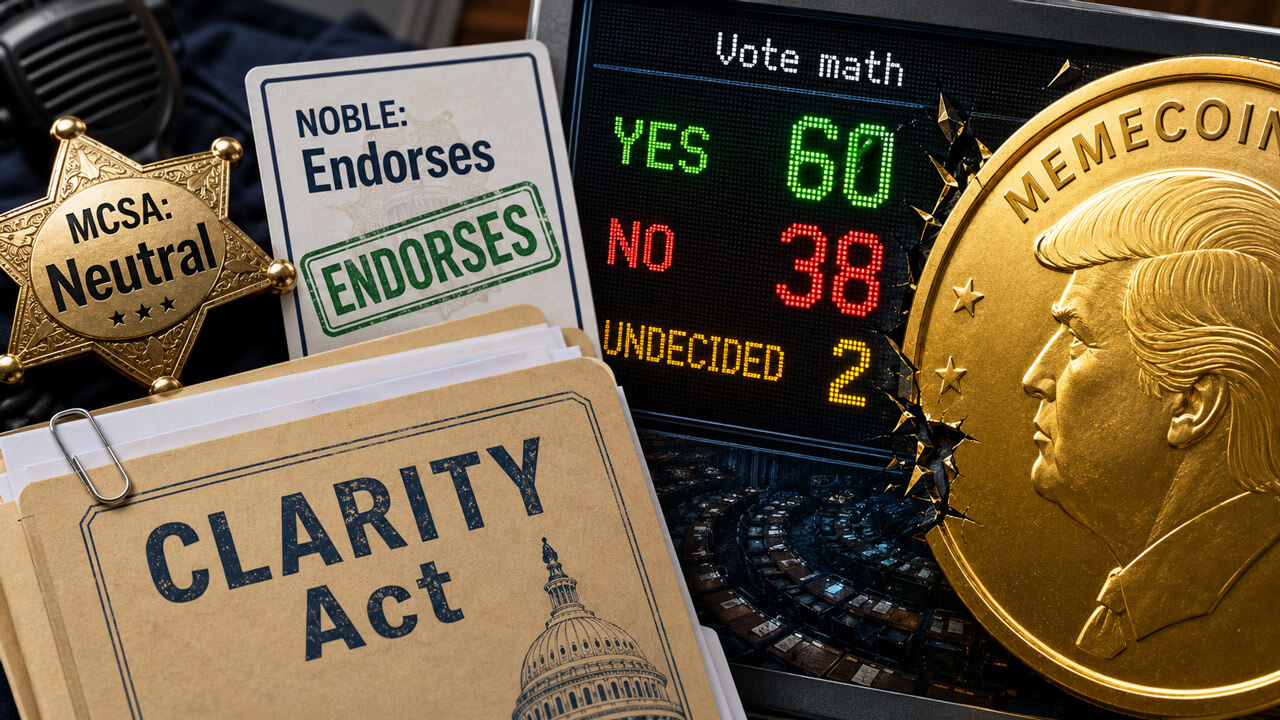
Trump Memecoin Ethics Clash Threatens CLARITY Act Vote as Law Enforcement Opposition Fades
This shift complicates the outlook for the legislation, which prediction markets previously viewed as a toss-up for 2026. As the focus moves from enforcement concerns to political ethics, the future of crypto regulation hangs in the balance of this intensifying partisan struggle.

Ripple’s Luxembourg crypto-asset provider license upgraded to fully MiCA-compliant for payments across the EEA
The decision extends Ripple’s regulatory access to all 30 European Economic Area countries, lowering friction for crypto-related services and strengthening legal clarity under Europe’s MiCA framework. For the market, it’s another signal that crypto payments infrastructure is moving from “pilot mode” into full compliance at scale.
