Nigeria SEC Expands Crypto Sandbox: Kucoin and GIGX Join ARIP Program
Nigeria’s Securities and Exchange Commission (SEC) has officially expanded its Accelerated Regulatory Incubation Program (ARIP) by admitting Kucoin Nigeria Limited and GIGX Technologies. This strategic move integrates two major virtual asset service providers (VASPs) into the nation's growing regulatory framework.
With these additions, the Nigeria Sandbox now supervises a total of nine crypto firms, marking a significant milestone in the country's effort to balance innovation with oversight. The expansion of the ARIP program is expected to enhance market stability and provide a clearer roadmap for digital asset compliance in Africa's largest economy.
The Nigeria Sandbox is growing quickly, now overseeing nine supervised crypto firms. By bringing more virtual asset service providers (VASPs) into the ARIP, the SEC aims to establish a structured environment that fosters growth while ensuring strict adherence to financial regulations.
This is a summarized and adapted version by Artificial Intelligence. To read the complete original story, visit the official source.
Read Full Article at Bitcoin.comSupport Jornal Bitcoin
Independent journalism, curated by AI, no clickbait. Keep the flame alive with any amount of BTC.
jonata@walletofsatoshi.comDaily Crypto Brief 📬
Subscribe to receive the curation of the most important Bitcoin and crypto news, summarized by AI. No spam.
Join more than 10,000 smart readers.
Related News

Latam Crypto Shakeup: Brazil Tightens VASP Rules While Bolivia Faces 40% Devaluation
This week's developments highlight a dual reality of strict governance and economic survival. From the implementation of rigorous VASP regulations in Brazil to the humanitarian crypto aid efforts by OKX in Venezuela, the region is proving to be a critical testing ground for how digital assets interact with sovereign instability and evolving legal frameworks.
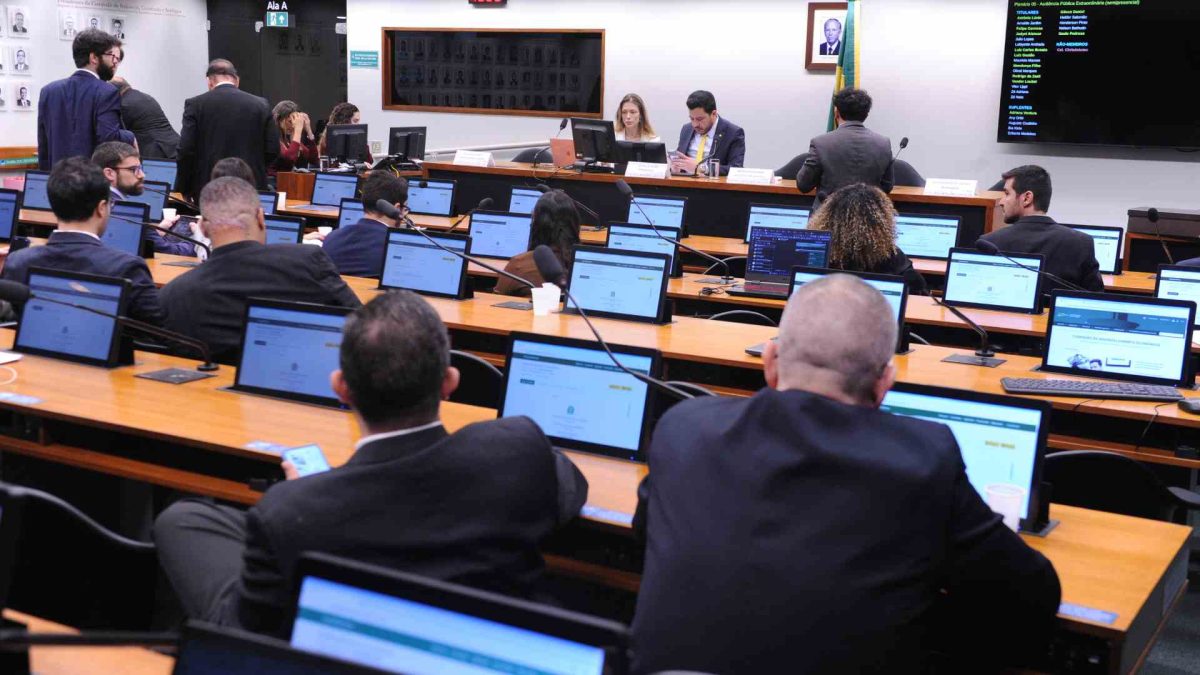
Stablecoin Regulation: ABToken and ABCripto Fight to Protect Digital Asset Legal Status in Brazil
Supported by insights from ABCripto, the industry's push emphasizes that new legislation should complement rather than overwrite existing market structures. Ensuring that stablecoins maintain their legal identity is considered vital for the continued growth of tokenization and the broader digital asset market in Brazil, especially as lawmakers shape the nation's financial future.
Binance Re-enters Philippines via SEC-Approved Regulatory Sandbox Partnership
The reentry process begins with a critical 90-day systems integration phase to ensure seamless operational stability. This move signals Binance's commitment to navigating complex regulatory landscapes by working alongside local authorities, setting a precedent for how global crypto exchanges can integrate into emerging regulated markets.
No More Shortcuts: Brazil Mandates Crypto VASPs Follow Strict Securities Rules
Crucially, the new regulatory framework excludes VASPs from the Segment 5 classification, denying them access to the simplified regime reserved for low-risk institutions. This shift underscores Brazil's commitment to institutional-grade oversight, ensuring that the crypto sector operates under the same rigorous governance standards as the broader financial market.
End of the Wild West? Brazil's Central Bank Equates Crypto Exchanges to Traditional Brokers
This shift marks a pivotal moment for the Brazilian crypto landscape, forcing exchanges to upgrade their compliance frameworks to meet institutional-grade standards. While the increased regulatory burden may raise operational costs, it is widely expected to foster greater market stability and pave the way for massive institutional capital inflows into the country.

Taiwan Strikes Gold with New Crypto Law: Licensing Rules and Stablecoin Framework Unveiled
Beyond mere oversight, the law carries significant weight, imposing prison sentences of up to seven years for any unlicensed operations. By implementing these stringent penalties and clear rules, Taiwan is strategically moving to expand its digital asset industry while mitigating risks associated with unregulated crypto activities.
