Geopolitical Flashpoint: Saudi-led Coalition Vows Ship Protection Amid Escalating Houthi Blockade
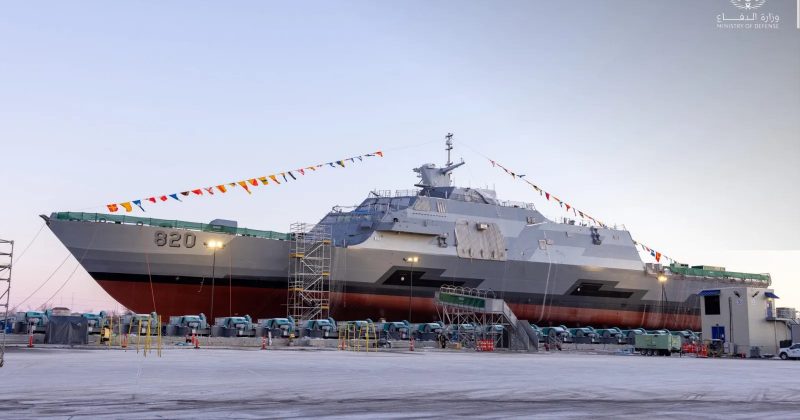
A Saudi-led coalition has officially pledged to safeguard commercial vessels as Houthi blockade tactics escalate to dangerous levels. This strategic move aims to counter the growing threat to maritime security and ensure the continuity of global shipping lanes.
Market intelligence suggests a high-risk environment, with projections indicating a 59% probability that Houthi forces will successfully target shipping by July 31. This heightened geopolitical tension poses a direct threat to global supply chains and could trigger significant volatility across international markets.
A Saudi-led coalition has vowed to protect merchant ships following an escalation in blockade activities by Houthi forces. The intervention is designed to secure vital maritime corridors against increasing aggression.
Risk assessment data highlights a critical window of vulnerability, with a 59% probability that Houthi militants will successfully target shipping operations by July 31. The situation remains a primary concern for global logistics and economic stability.
This is a summarized and adapted version by Artificial Intelligence. To read the complete original story, visit the official source.
Read Full Article at Crypto BriefingSupport Jornal Bitcoin
Independent journalism, curated by AI, no clickbait. Keep the flame alive with any amount of BTC.
jonata@walletofsatoshi.comDaily Crypto Brief 📬
Subscribe to receive the curation of the most important Bitcoin and crypto news, summarized by AI. No spam.
Join more than 10,000 smart readers.
Related News

Tech Warfare: US Threatens Sanctions on Chinese AI Models Over IP Theft
The fallout from these potential sanctions extends far beyond traditional tech sectors, posing major implications for the crypto AI tokens market. As regulatory pressure mounts, the intersection of blockchain and artificial intelligence faces a period of intense volatility and structural realignment.

Bitcoin defies geopolitical chaos, surging toward seven-week high
This rally mirrors a resilient performance in US stock markets, indicating that investors are currently looking past potential trade wars and military escalations. By ignoring the noise of Trump's tariff plans and Middle East instability, Bitcoin is reinforcing its role as a dominant force in the current financial cycle.

Extreme Certainty: Polymarket Predicts 99.85% Chance Israel-Iran Ceasefire Holds
Despite this overwhelming confidence, new political headwinds are emerging on the horizon. Reports suggest the Netherlands is preparing to ban products from Israeli settlements starting September 22, a move that could introduce fresh diplomatic friction and potentially disrupt the stability currently being priced into the markets.
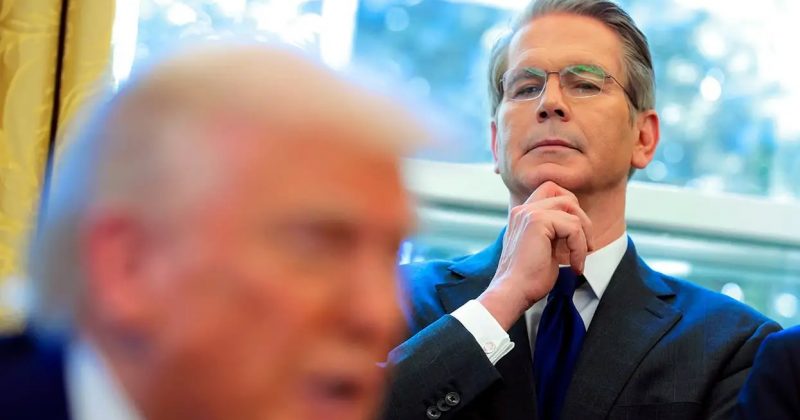
Tech War Escalates: US Threatens China Sanctions Over AI Model Theft
The fallout from these potential sanctions could have profound implications for both the AI sector and the broader crypto market. As the battle for technological supremacy intensifies, the intersection of cybersecurity, AI development, and digital assets is expected to face unprecedented regulatory and economic pressure.

Bitcoin Surges Past $66,000 Amid US-Iran Tensions: A Massive Test Lies Ahead
While the immediate breakout shows technical strength, the market is bracing for an even more significant test of its current levels. The interplay between institutional ETF demand and the reduction of available supply on major exchanges suggests a tightening market, yet investors must remain cautious as geopolitical volatility threatens to trigger sudden shifts in price action.

Oil Surges Near $90: Why is Bitcoin Holding Strong Above $66,000?
While geopolitical tensions involving US-Iran ceasefire proposals cause fluctuations in oil prices, the Bitcoin price action has remained robust, navigating an intraday range between $63,100 and $66,313. This decoupling suggests that the Bitcoin market may be reacting to unique liquidity drivers rather than following the inflationary pressures typically associated with rising oil costs.
