Bitcoin's Quiet Split: Strong in USD, Lagging in JPY as Yen Surges on Intervention Fears
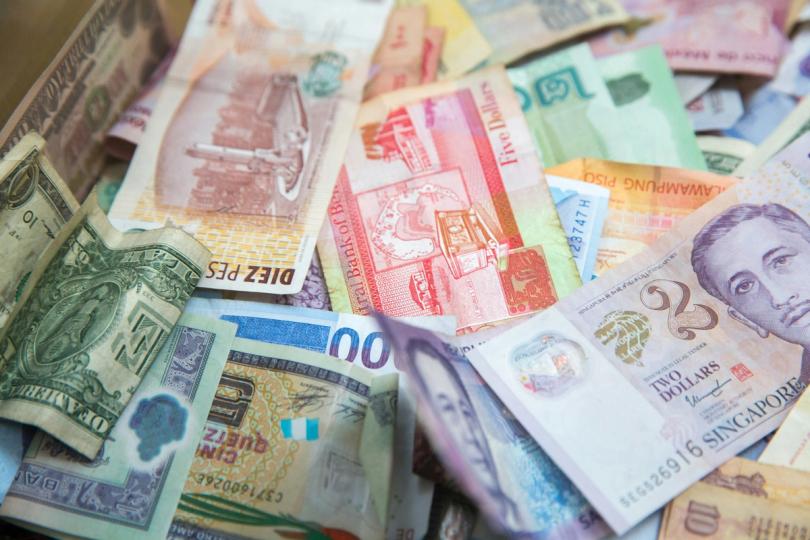
A significant divergence is emerging in the crypto markets as Bitcoin shows strength against the US Dollar while simultaneously underperforming in Japanese Yen trading pairs. This 'quiet split' highlights a growing gap between dollar-based momentum and the reality for traders operating in the Japanese market.
The primary driver behind this trend is the sudden appreciation of the Yen, fueled by growing fears of government intervention to stabilize the currency. As the Yen strengthens, the relative value of Bitcoin in JPY terms faces downward pressure, demonstrating how macroeconomic shifts and central bank policies can decouple crypto performance from traditional bullish trends.
Bitcoin is experiencing a silent split in global markets. While USD-based trading pairs show robust strength and resilience, the asset is lagging significantly when measured against the Japanese Yen (JPY). This disparity is not a reflection of Bitcoin's fundamental value, but rather a result of the shifting strength between major fiat currencies.
The sharp rise in the Yen, driven by fears of potential intervention by Japanese authorities, is causing major cryptocurrencies to underperform in yen terms. For global investors, this serves as a critical reminder that local currency volatility and central bank actions can create vastly different market realities, even within the same digital asset.
This is a summarized and adapted version by Artificial Intelligence. To read the complete original story, visit the official source.
Read Full Article at CoinDeskSupport Jornal Bitcoin
Independent journalism, curated by AI, no clickbait. Keep the flame alive with any amount of BTC.
jonata@walletofsatoshi.comDaily Crypto Brief 📬
Subscribe to receive the curation of the most important Bitcoin and crypto news, summarized by AI. No spam.
Join more than 10,000 smart readers.
Related News
Polymarket Odds Signal Near Certainty: BTC to Stay Above $52K
While gold prices face a four-day decline and oil continues its upward trajectory, Bitcoin has managed to hold steady above $62,000. This divergence highlights the growing role of crypto as a distinct asset class, with Polymarket odds providing a high-conviction look at near-term price stability for BTC holders.

Bitcoin's Danger Zone: Did the $64K Surge Actually Break the Downtrend?
Technical indicators reveal that BTC is still trading below key moving averages, facing heavy overhead resistance that could stifle any rally. Furthermore, critical on-chain data indicates that large holders may be preparing for further shifts, adding a layer of uncertainty to the current market structure.

Goldman Sachs: Carry Trade Conditions Hit 20-Year High, Priming Crypto Rally
Despite this bullish setup, the macro landscape remains fragile. A sudden shift in monetary policy could trigger rapid sell-offs, meaning that while the carry trade provides a tailwind for crypto, the risk of a sudden liquidity crunch remains a critical factor for traders to monitor.

Bitdeer Goes All-In: $36M Nevada Factory to Mass-Produce Sealminer Hardware
By targeting a production capacity of 10,000 Sealminer units per month, Bitdeer is proactively addressing the challenge of tightening Bitcoin mining margins. This vertical integration allows the company to secure its supply chain and maintain a competitive edge in the rapidly evolving landscape of Bitcoin mining infrastructure.

World Cup Showdown: Spain vs Belgium Match Acts as Litmus Test for Crypto Fan Tokens
This phenomenon underscores the significant speculative risks associated with sports-based digital assets, where market movements are often driven by intense emotional shifts rather than fundamental utility. As fans react to every goal and penalty, the intersection of football and blockchain continues to showcase high-risk, high-reward dynamics.

China’s Submarine Missile Test Sends a Warning to Washington: Why Markets Are on Edge
As military capabilities expand, the risk of miscalculation grows, prompting urgent calls for improved communication between global superpowers. For investors, this heightened instability acts as a primary driver for market volatility, potentially shifting capital toward decentralized assets as a hedge against geopolitical unrest.
