China's Breakthrough: 3D Optical Chips Produced in Seconds, Fueling the AI and Crypto Hardware Race
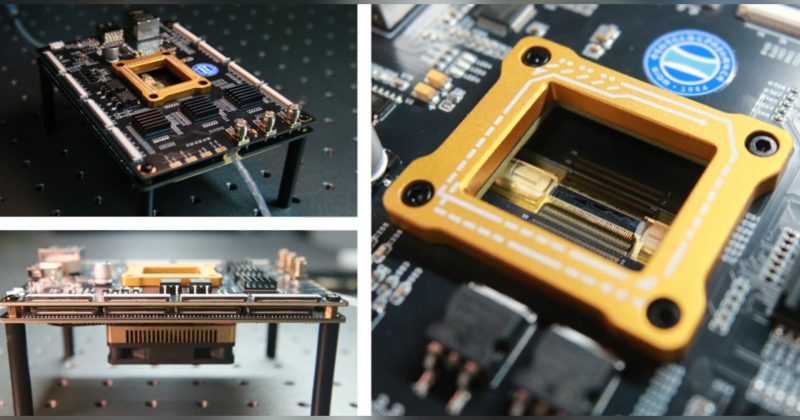
Researchers at Tsinghua University have achieved a massive breakthrough with DISH technology, slashing 3D optical structure production time from hours to a mere 0.6 seconds. This leap in photonic chip manufacturing promises to redefine high-speed data processing capabilities.
This rapid production capability is a game-changer for the AI and crypto hardware race, offering the potential for massive infrastructure scaling. As the demand for specialized computing power surges, this semiconductor innovation could dictate the leaders of the next decentralized computing era.
The implications for the AI and crypto hardware race are profound. The ability to rapidly and cost-effectively produce optical chips could accelerate the deployment of high-performance mining rigs and AI infrastructure, potentially shifting the global landscape of semiconductor dominance and advanced computing.
This is a summarized and adapted version by Artificial Intelligence. To read the complete original story, visit the official source.
Read Full Article at Crypto BriefingSupport Jornal Bitcoin
Independent journalism, curated by AI, no clickbait. Keep the flame alive with any amount of BTC.
jonata@walletofsatoshi.comDaily Crypto Brief 📬
Subscribe to receive the curation of the most important Bitcoin and crypto news, summarized by AI. No spam.
Join more than 10,000 smart readers.
Related News

Apple’s Secret AI Memory Hunt: A Major Threat to Chip Stocks and a Boost for Decentralized Compute?
Beyond the immediate impact on chip stocks, this shift could provide massive tailwinds for decentralized compute networks. As traditional hardware supply chains face pressure, the rise of distributed computing architectures offers a compelling alternative to meet the world's escalating processing needs.
China's Kimi K3 Sends Shockwaves Through Wall Street, Reigniting the AI Arms Race
Market volatility followed the news, as US chip stocks faced downward pressure due to fears of shifting dominance in the semiconductor and AI sectors. The rise of Kimi K3 does more than just impact stock prices; it exposes critical fractures in the ongoing global debate regarding AI regulation and the geopolitical implications of decentralized, open-source intelligence.
Intel's Wild Ride: 278% Surge Followed by Sharp 10% Crash Shakes Semiconductor Market
Beyond Wall Street, this semiconductor selloff carries heavy implications for the digital asset space. Fluctuations in chip supply and the resulting impact on crypto mining costs are critical metrics for investors monitoring the intersection of hardware availability and blockchain network security.
South Korea’s $518B AI chip bet is pulling capital out of crypto and reshaping markets
This is more than an industrial headline. As the AI hardware buildout accelerates, investors may favor the semiconductor thesis over higher-volatility crypto exposure, shifting risk appetite across global markets. The resulting capital rotation and semiconductor inflows could weigh on near-term momentum in the cryptocurrency complex.
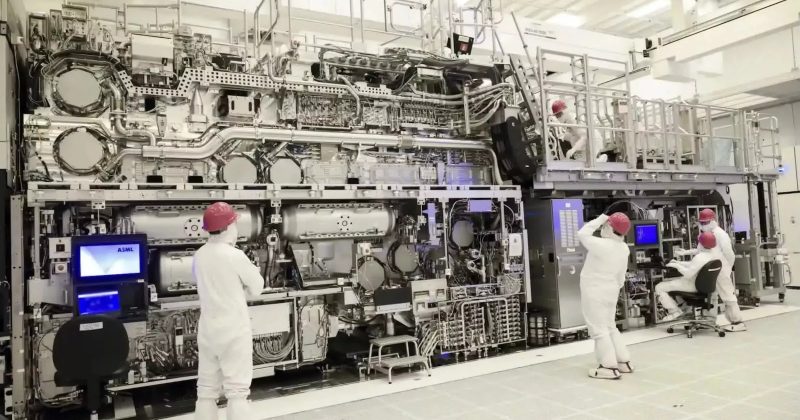
AI Chip Gold Rush: ASML Smashes Records with 16 Advanced EUV Machine Sales
This record-breaking performance underscores the global arms race for high-performance data processing. As the demand for AI hardware continues to scale, ASML's production capacity remains the critical bottleneck and the primary catalyst for the semiconductor industry and digital infrastructure growth.

Bubble Warning? Franklin Templeton Alerts Micron and SK Hynix Investors to AI Chip Cycle Risks
With both companies hitting the historic $1 trillion market cap milestone, the semiconductor market faces a pivotal moment. The impact of this analysis could trigger a significant market correction if the demand for artificial intelligence hardware fails to sustain the current pace of stock valuation.
