Intel's Wild Ride: 278% Surge Followed by Sharp 10% Crash Shakes Semiconductor Market
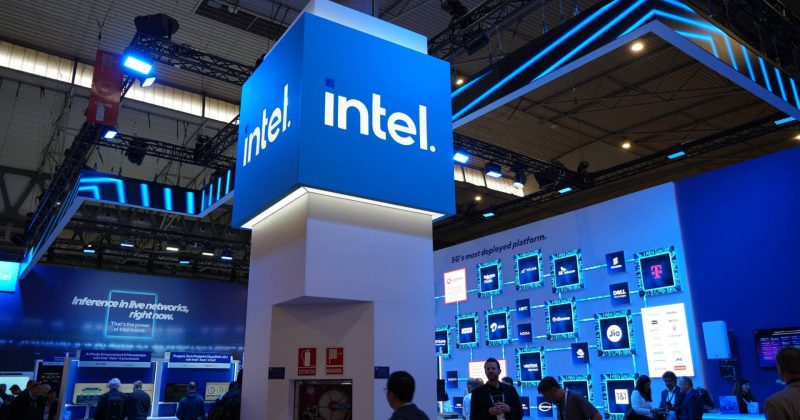
Intel experienced a meteoric rise in the first half of 2026, with its stock surging roughly 278% before enduring a sudden 10% single-day drop. This volatility highlights a massive shift in the semiconductor sector, signaling intense turbulence for tech industry giants.
Beyond Wall Street, this semiconductor selloff carries heavy implications for the digital asset space. Fluctuations in chip supply and the resulting impact on crypto mining costs are critical metrics for investors monitoring the intersection of hardware availability and blockchain network security.
Intel stock rallied approximately 278% in H1 2026 before plummeting 10% in a single day amid a broader semiconductor selloff. This dramatic swing underscores the high-stakes volatility currently defining the hardware manufacturing landscape.
Industry analysts are closely watching how this volatility affects the broader economy, specifically regarding chip supply chains. For the crypto industry, these shifts are vital, as they directly influence crypto mining costs and the long-term stability of hardware-dependent mining operations.
This is a summarized and adapted version by Artificial Intelligence. To read the complete original story, visit the official source.
Read Full Article at Crypto BriefingSupport Jornal Bitcoin
Independent journalism, curated by AI, no clickbait. Keep the flame alive with any amount of BTC.
jonata@walletofsatoshi.comDaily Crypto Brief 📬
Subscribe to receive the curation of the most important Bitcoin and crypto news, summarized by AI. No spam.
Join more than 10,000 smart readers.
Related News
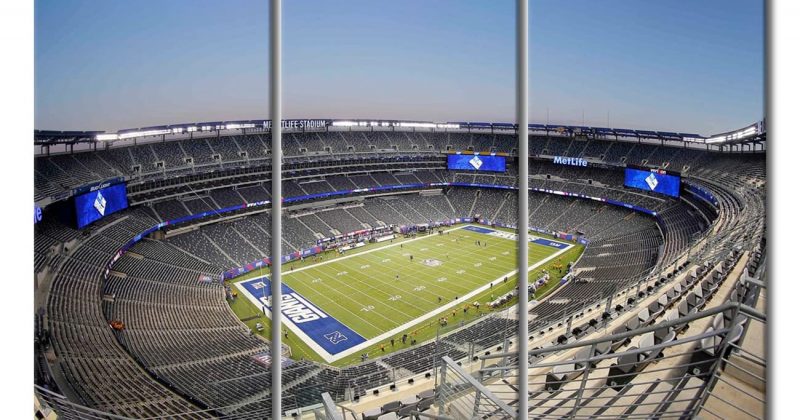
FIFA World Cup Revolution: Avalanche Blockchain Powers $25M in World Cup Final Ticket Sales
This integration represents a massive leap forward for mainstream blockchain adoption in global sports. As FIFA embraces decentralized technology, the Avalanche network proves its capability to handle high-stakes, high-volume transactions, setting a new precedent for how major sporting events manage digital assets and fan engagement.
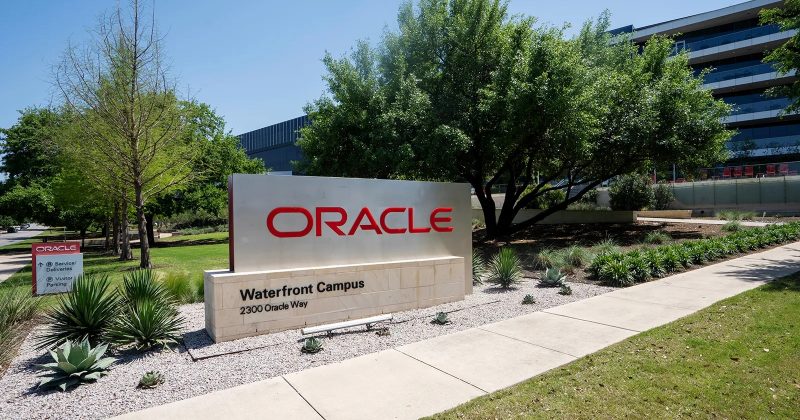
Oracle Plummets to 52-Week Low Following S&P Credit Rating Downgrade
The downward pressure is largely attributed to heavy capital expenditure on AI infrastructure and a risky revenue concentration tied to OpenAI. As the market digests this news, the focus shifts to whether Oracle's aggressive AI pivot can outpace the mounting financial risks.

XRP ETFs Reignite Inflow Streak — But There’s a Big “Elephant in the Room”
However, there’s still an “elephant in the room.” Even with improving ETF flows, key uncertainties could affect how durable this momentum really is. Investors should watch XRP ETF inflows closely, because the next phase may hinge on demand dynamics and broader market sentiment.

The Digital Infiltration: How Bitcoin and NFTs are Reshaping European Football Transfers
This trend highlights a shift toward on-chain integration and strategic crypto partnerships that influence player movements and club valuations. As blockchain technology matures, the synergy between digital assets and traditional sports management is set to redefine the economic landscape of the football industry.

Quantum Apocalypse Defense: New Plan Could Save Bitcoin Wallets from Quantum Attacks
This development aims to address the vulnerability of current private keys to quantum decryption, providing a vital safety net for long-term holders. By integrating these advanced cryptographic proofs, the Bitcoin network could establish a new standard for security, ensuring its survival in a post-quantum era.

Buy or Sell? Decoding Michael Saylor’s Cryptic New Tweet and Its Impact on Bitcoin
As the market navigates high volatility, the psychological impact of Saylor's messaging cannot be overstated. Whether his latest words signal a massive accumulation phase or a strategic pivot, the consequences for Bitcoin's price action and overall market sentiment are profound, keeping institutional and retail investors on high alert.
