Goldman Sachs CEO Backs CLARITY Act Amid Senate Deadlock Over Crypto Bill

Goldman Sachs CEO David Solomon has officially endorsed the CLARITY Act, signaling a major push from Wall Street for a unified federal crypto framework. As the Senate remains deeply divided over the latest crypto market structure bill, Solomon's support adds significant institutional weight to the legislative push for regulatory certainty.
The ongoing legislative battle is intensifying around critical friction points, including stablecoin rewards, regulatory authority, and ethical restrictions. This deadlock in the Senate could dictate the long-term trajectory of crypto regulation in the U.S., determining how institutional capital interacts with the digital asset ecosystem moving forward.
Goldman Sachs CEO David Solomon has urged lawmakers to advance the CLARITY Act as senators circulate a revised crypto market structure bill. The move comes as disputes intensify over stablecoin rewards, regulatory authority, and ethics restrictions ahead of a potential floor vote.
Solomon, serving as Chairman and CEO of Goldman Sachs, has endorsed the CLARITY Act to provide much-needed clarity. His endorsement highlights the growing demand among major financial institutions for a comprehensive federal crypto framework to govern the evolving digital asset landscape.
This is a summarized and adapted version by Artificial Intelligence. To read the complete original story, visit the official source.
Read Full Article at Bitcoin.comSupport Jornal Bitcoin
Independent journalism, curated by AI, no clickbait. Keep the flame alive with any amount of BTC.
jonata@walletofsatoshi.comDaily Crypto Brief 📬
Subscribe to receive the curation of the most important Bitcoin and crypto news, summarized by AI. No spam.
Join more than 10,000 smart readers.
Related News
Zero Gas Fees? Sui's New Stablecoin Transfers Aim to Fix Web3 Payments Forever
This strategic move aims to bridge the gap between complex blockchain mechanics and mainstream usability. By removing the requirement for users to hold native tokens just to move their value, Sui is paving the way for mass adoption and frictionless digital commerce.

“Piece of Shit”: Democratic Senator Blasts GOP’s Crypto Ethics Proposal
The Digital Asset Market Clarity (CLARITY) Act aims to prohibit all US federal officials, including President Donald Trump, from issuing or sponsoring any digital assets. Despite this, Democrats argue the framework is fundamentally flawed, setting the stage for a legislative showdown as they prepare a counterproposal to ensure robust ethics and market integrity.

BitMEX Death Spiral? Massive Delisting of 65 Pairs and Derivatives Amid Exchange Shutdown
The scale of these delistings—surpassing the entire first half of the year combined—highlights the liquidity drain facing the exchange. As BitMEX prepares to shut down after 11 years, the massive removal of derivative contracts underscores the final stages of its exit from the crypto derivatives market.

Geopolitical Flashpoint: Kuwaiti Air Defenses Activated as Iran Targets US Airbase
As the threat of military action against Gulf states remains a significant concern, the broader implications for global energy markets and asset volatility cannot be ignored. Investors should monitor these developments closely, as geopolitical instability often serves as a primary catalyst for sudden shifts in both traditional and crypto markets.

Ripple Unveils 'Ripple Mint' to Supercharge Institutional Adoption of RLUSD
This strategic move is bolstered by a multichain expansion strategy aimed at integrating RLUSD into the core of global payments, trading, and decentralized finance (DeFi). By bridging the gap between traditional finance and blockchain, Ripple is positioning RLUSD as a premier liquidity tool for the institutional market.
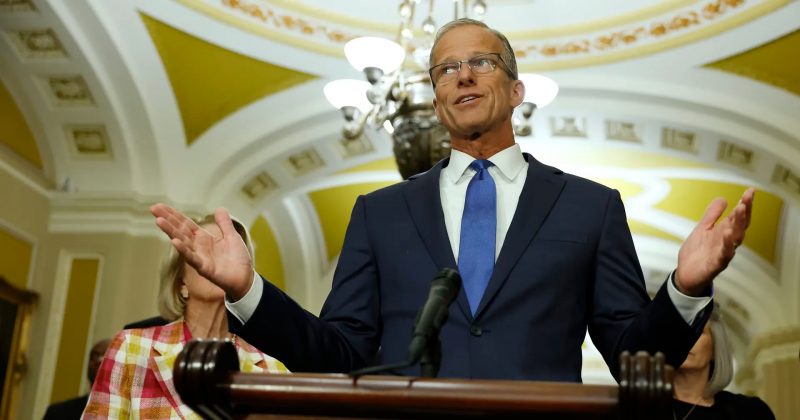
Regulatory Delay: Clarity Act Approval Unlikely Before August Recess, Warns Thune
As the timeline shifts, the broader impact on crypto market stability remains a key concern. The uncertainty surrounding the Clarity Act's passage means that the definitive framework for crypto regulation will remain in limbo, potentially affecting institutional adoption and compliance standards throughout the summer.
