BitMEX Death Spiral? Massive Delisting of 65 Pairs and Derivatives Amid Exchange Shutdown

BitMEX is executing a rapid contraction, delisting 65 trading pairs and derivative contracts in July alone. This aggressive move, driven by a lack of trading interest, serves as a clear indicator of the platform's declining activity as it moves toward a total wind-down of its operations.
The scale of these delistings—surpassing the entire first half of the year combined—highlights the liquidity drain facing the exchange. As BitMEX prepares to shut down after 11 years, the massive removal of derivative contracts underscores the final stages of its exit from the crypto derivatives market.
BitMEX has significantly accelerated its delisting process in July, removing 65 derivative contracts and trading pairs. This surge in removals stands in stark contrast to the just 19 assets delisted during the first six months of the year. The exchange cited 'insufficient trading interest' as the primary driver for this sudden contraction.
The timeline shows a rapid exodus of assets: 21 derivative contracts were removed in early July, followed by nine spot pairs two weeks later. On Thursday, an additional 35 derivative contracts were queued for removal. This mass delisting coincides with the broader announcement that BitMEX will shut down its operations after 11 years as a major player in the crypto derivatives space.
This is a summarized and adapted version by Artificial Intelligence. To read the complete original story, visit the official source.
Read Full Article at CoinTelegraphSupport Jornal Bitcoin
Independent journalism, curated by AI, no clickbait. Keep the flame alive with any amount of BTC.
jonata@walletofsatoshi.comDaily Crypto Brief 📬
Subscribe to receive the curation of the most important Bitcoin and crypto news, summarized by AI. No spam.
Join more than 10,000 smart readers.
Related News

Goldman Sachs CEO Backs CLARITY Act Amid Senate Deadlock Over Crypto Bill
The ongoing legislative battle is intensifying around critical friction points, including stablecoin rewards, regulatory authority, and ethical restrictions. This deadlock in the Senate could dictate the long-term trajectory of crypto regulation in the U.S., determining how institutional capital interacts with the digital asset ecosystem moving forward.

Geopolitical Flashpoint: Kuwaiti Air Defenses Activated as Iran Targets US Airbase
As the threat of military action against Gulf states remains a significant concern, the broader implications for global energy markets and asset volatility cannot be ignored. Investors should monitor these developments closely, as geopolitical instability often serves as a primary catalyst for sudden shifts in both traditional and crypto markets.
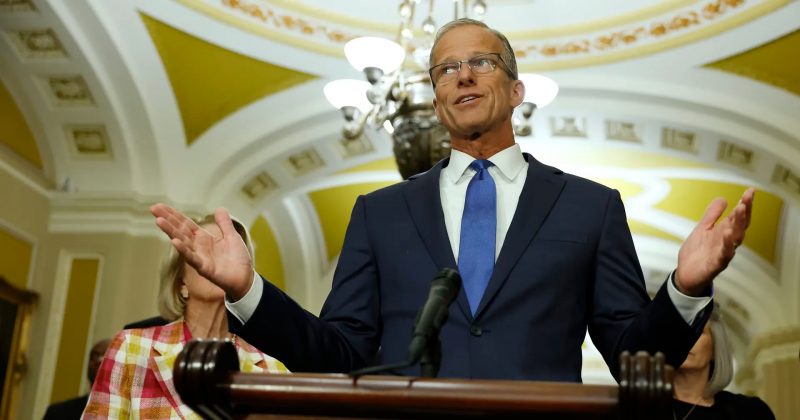
Regulatory Delay: Clarity Act Approval Unlikely Before August Recess, Warns Thune
As the timeline shifts, the broader impact on crypto market stability remains a key concern. The uncertainty surrounding the Clarity Act's passage means that the definitive framework for crypto regulation will remain in limbo, potentially affecting institutional adoption and compliance standards throughout the summer.

Has Bitcoin Bottomed Out? Grayscale Claims Macro Signals Are the New North Star
This shift implies that traditional halving-driven models might be losing ground to broader economic drivers like global liquidity and interest rate shifts. As the market evolves, understanding these macroeconomic indicators will be crucial for navigating the future volatility and growth of the crypto ecosystem.
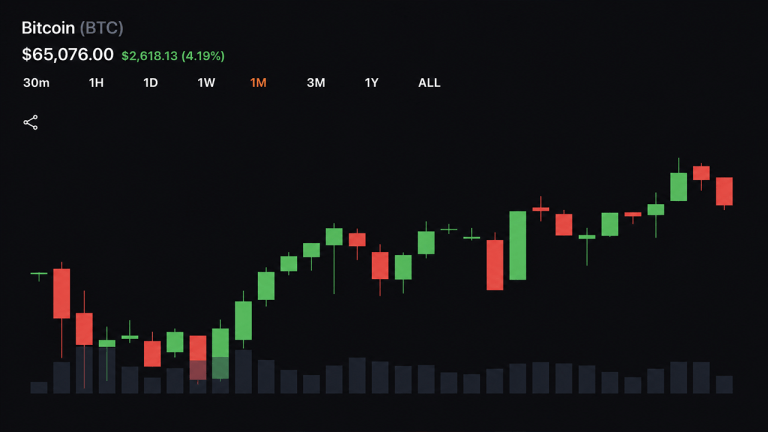
Bitcoin Defies Gravity: Crypto Outperforms US Stocks Amid Market Retreat
However, this period of subdued volatility may be a precursor to turbulence. Rising leverage and ongoing tensions in oil markets suggest that the current stability is fragile. As traders price in a 75% probability of a Fed hold while yields hover near 4.60%, the crypto market remains positioned at a critical macroeconomic crossroads.

Bitcoin Dips Below $65K as Iran Tensions Drive Oil and Bond Yield Surge
As oil approaches the $100 mark, the macroeconomic landscape is shifting rapidly. With the odds of a Fed rate hike in July nearing 40%, market participants are reacting to the dual threat of Middle East volatility and tightening monetary policy, creating a high-pressure environment for BTC price forecasts.
