Fuel Crisis Escalates: Kazakhstan Limits Russian Drivers' Border Access
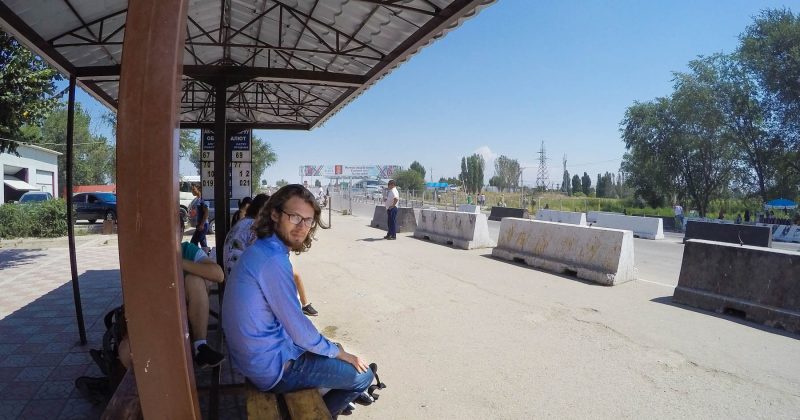
Kazakhstan has tightened border controls, limiting the entry of Russian drivers as the nation grapples with a severe fuel crisis. This decisive action underscores intensifying regional tensions and creates immediate friction in the cross-border logistics networks of Central Asia.
Beyond local supply issues, these restrictions are poised to influence global oil markets and could trigger significant shifts in future crude prices. As geopolitical instability rises, the ripple effects of this border policy may reshape energy trading patterns and market expectations.
Kazakhstan's border restrictions on Russian drivers, implemented amid a domestic fuel crisis, are highlighting heightened regional tensions. This move could have far-reaching implications for global oil markets, potentially impacting future crude prices as supply chain stability in the region comes into question.
This is a summarized and adapted version by Artificial Intelligence. To read the complete original story, visit the official source.
Read Full Article at Crypto BriefingSupport Jornal Bitcoin
Independent journalism, curated by AI, no clickbait. Keep the flame alive with any amount of BTC.
jonata@walletofsatoshi.comDaily Crypto Brief 📬
Subscribe to receive the curation of the most important Bitcoin and crypto news, summarized by AI. No spam.
Join more than 10,000 smart readers.
Related News

Iran Conflict Triggers Market Turmoil: US Global Jets ETF Plummets 4%
This downturn is fueled by growing concerns regarding flight safety and the potential for surging operational costs. As geopolitical instability persists, the broader economic stability remains at risk, with market analysts closely watching the impact on global logistics and airline profitability.
Kazakhstan Goes All-In: New Presidential Decree to Supercharge Crypto Adoption
By leveraging gas-powered electricity and fostering a regulated digital asset market, the country aims to solidify its status as a premier Bitcoin mining hub. This collaborative effort between the central bank and the Astana International Financial Centre is designed to provide the regulatory clarity necessary to attract global crypto businesses and institutional investors.

Bitcoin Calm Before the Storm? July 17 Oil Deadline Triggers Iran Shock
With the replacement General License X1 strictly limiting transactions to a wind-down period ending July 17, the window for Iranian petroleum and petrochemical trades is slamming shut. This tightening of sanctions creates a high-stakes environment that could force a shift in investor sentiment, potentially linking energy market instability to Bitcoin price action.

Ukraine Drone Strike on Omsk Refinery Shifts Polymarket Odds for United Russia
As repairs begin on the damaged distillation units, the broader implications for Russian oil production and geopolitical stability remain uncertain. The intersection of drone strikes and market volatility highlights how physical warfare is now directly influencing real-time forecasting and political betting landscapes.
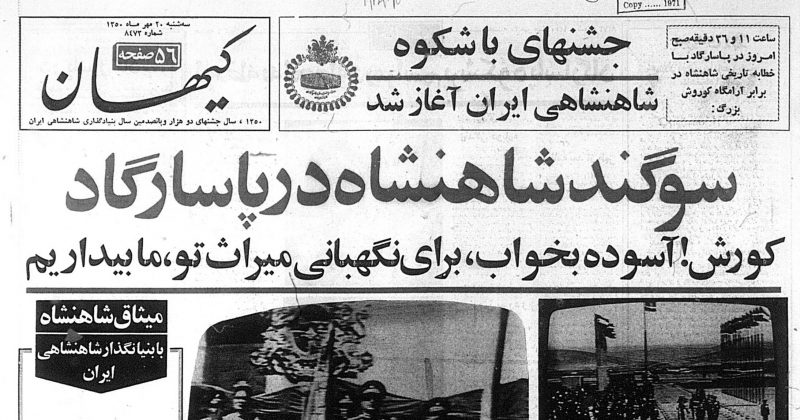
Geopolitical Chaos: Iran's Hardline Daily Calls for Assassination of Trump and Netanyahu
Beyond the immediate threat, this call for violence threatens to diminish any remaining prospects for peace in the Middle East. For those monitoring market volatility, such escalations often serve as precursors to heightened risk aversion and shifts in global economic stability.

Oil Surge: US Revokes Iran Sanctions Waiver as Polymarket Predicts Massive UK Political Shift
Simultaneously, political volatility is peaking as Polymarket keeps the exit odds for Keir Starmer at a staggering 97.2%. The convergence of energy supply shocks and high-stakes political forecasting underscores a period of intense global instability.
