Middle East Escalation: Qatar Condemns Iranian Missile and Drone Attacks on Gulf States
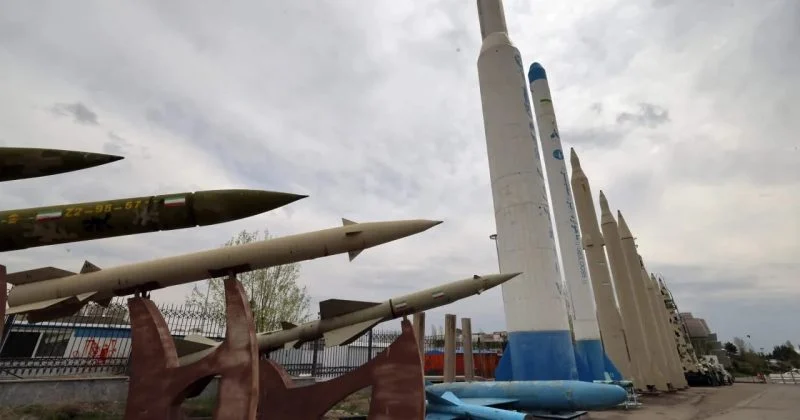
Qatar has officially condemned the recent missile and drone attacks launched by Iran against Gulf states, marking a significant escalation in regional hostilities. This diplomatic stance underscores the growing instability that threatens both geopolitical security and global energy corridors.
As the threat of conflict looms, market participants are closely watching for signs of de-escalation. With a 45.5% probability of a diplomatic meeting with Iran occurring by August 31, 2026, the outcome of these tensions will play a crucial role in determining market volatility and the broader impact on global economic stability.
Qatar has formally condemned the Iranian missile and drone attacks targeting Gulf states. The escalation highlights the precarious security situation in the region. Current projections suggest a 45.5% likelihood of a diplomatic meeting with Iran taking place by August 31, 2026, as international actors attempt to navigate the complex landscape of Middle Eastern politics.
This is a summarized and adapted version by Artificial Intelligence. To read the complete original story, visit the official source.
Read Full Article at Crypto BriefingSupport Jornal Bitcoin
Independent journalism, curated by AI, no clickbait. Keep the flame alive with any amount of BTC.
jonata@walletofsatoshi.comDaily Crypto Brief 📬
Subscribe to receive the curation of the most important Bitcoin and crypto news, summarized by AI. No spam.
Join more than 10,000 smart readers.
Related News
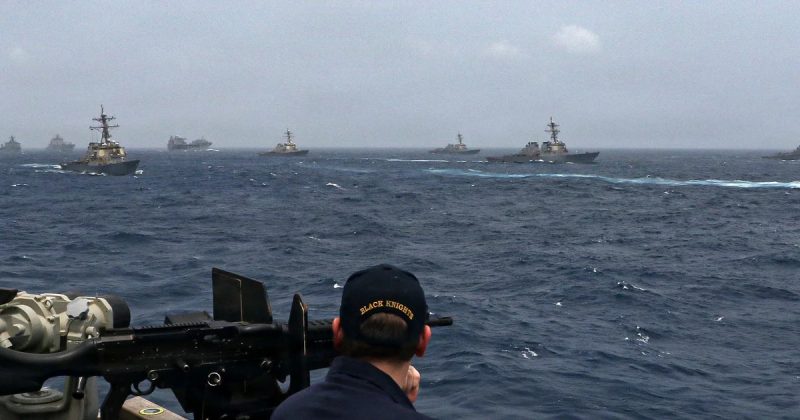
Strait of Hormuz Attack: Tanker Targeted Amid Escalating US-Iran Military Tensions
While maritime traffic was reported to have returned to normal levels by August 31, the underlying threat of a direct confrontation between the US and Iran continues to loom large. Investors and analysts are closely monitoring the situation, as any further disruption in the Strait of Hormuz could trigger massive shifts in global energy prices and economic stability.
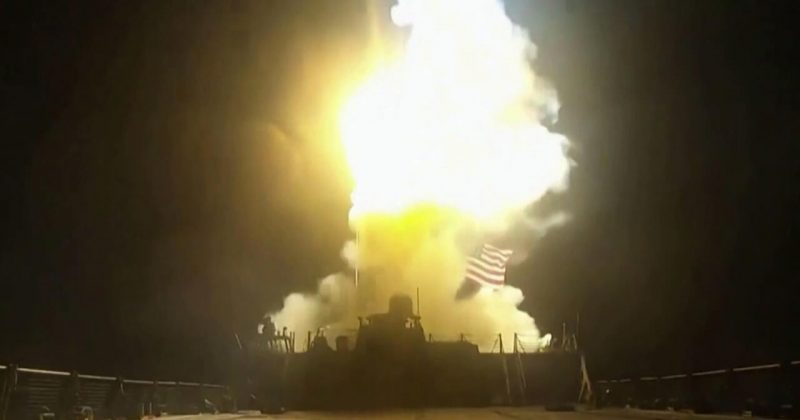
Geopolitical Crisis: US Military Completes 10th Consecutive Night of Airstrikes on Iran
With reports suggesting a potential full airspace closure by August 31, the implications for global trade and energy security are profound. As these airstrikes continue, the market is bracing for heightened volatility, as investors scramble to hedge against the unpredictable consequences of an intensifying conflict in the Middle East.

Polymarket Odds Crash as Iran's Hormuz Attacks Fuel Geopolitical Uncertainty
The sudden drop in odds underscores the heightened risk premium being applied to global shipping routes. As prediction markets react to these military escalations, the volatility highlights how geopolitical instability directly influences decentralized forecasting platforms and global energy security concerns.
Trade War Escalation: Trump Administration Targets 60 Economies with Permanent Tariffs Over Forced Labor
This move toward durable tariffs is expected to disrupt global supply chains and trigger significant shifts in international trade flows. As these permanent measures take hold, the resulting market volatility and geopolitical friction will likely create a complex environment for global investors and macro-economic stability.
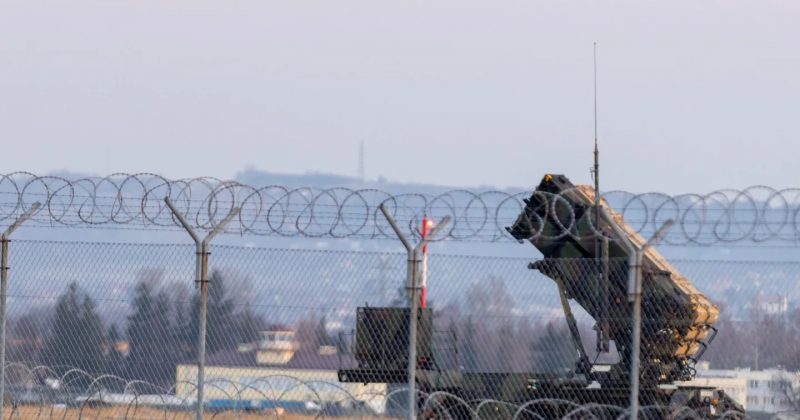
Geopolitical Flashpoint: Iran Targets U.S. Patriot Air Defense in Bahrain
As analysts weigh the possibility of a major conflict in 2026, the targeting of military infrastructure in the Gulf creates massive uncertainty. Such military action against Gulf states could destabilize global energy corridors and trigger significant volatility across international markets.
Geopolitical Chaos: Trump Vows Retaliation as Iran Strikes Shake Wall Street and Crypto Markets
Amidst this heightened volatility, Bitcoin is showing notable strength, holding steady near the $65,000 level even as traditional equities struggle to find footing. As Wall Street enters a critical earnings week, the intersection of geopolitical tension and commodity price spikes is forcing investors to re-evaluate the role of digital assets as a hedge against systemic instability.
