Regulatory Chaos? Supreme Court Ruling Puts SEC and CFTC Crypto Plans at Risk
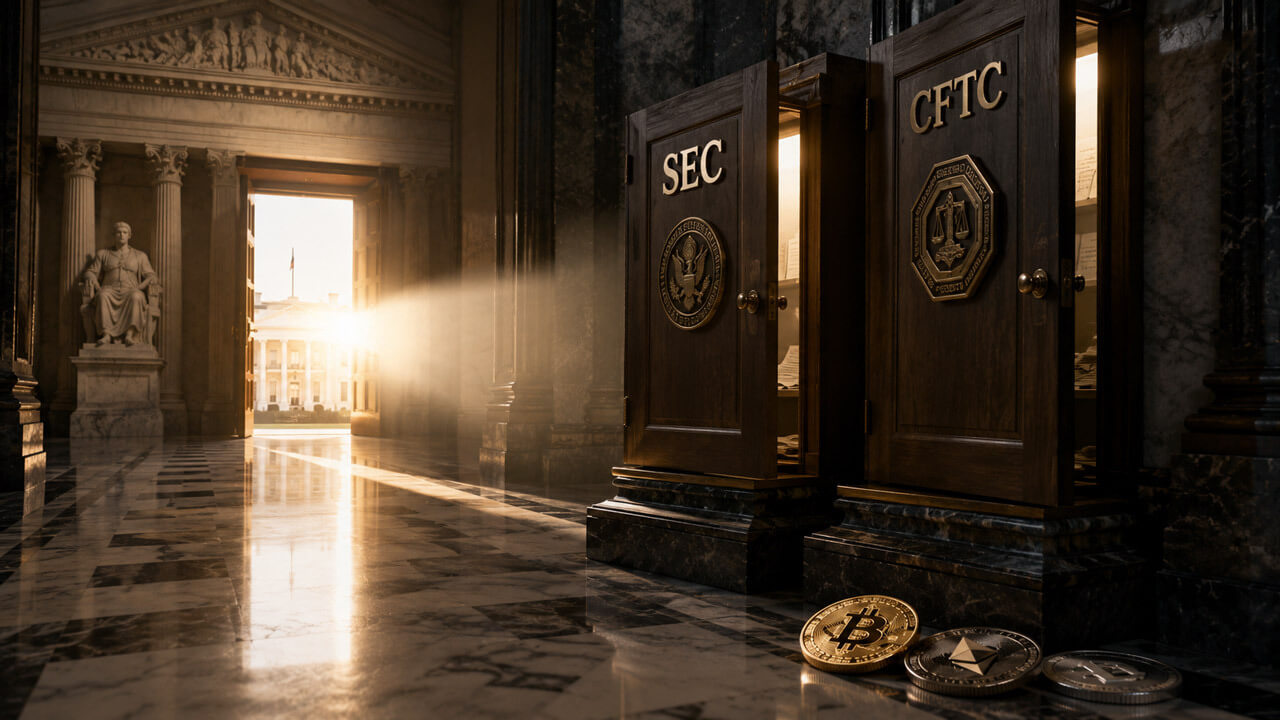
A seismic legal shift from the US Supreme Court has sent shockwaves through the regulatory landscape. By overturning a long-standing precedent, the Court has granted the Executive branch the power to remove commissioners from independent agencies, directly threatening the stability of SEC and CFTC crypto enforcement plans.
This decision dismantles the protections established in 1935, allowing for political interference in agencies that were designed to be independent. For the crypto industry, this introduces a volatile new variable: the risk that regulatory oversight could be weaponized or altered by the shifting political tides of the White House.
The regulatory roadmap for digital assets in the United States is facing a major disruption. On June 29, the US Supreme Court ruled that the President holds the authority to remove commissioners from independent agencies like the FTC, rejecting previous statutory limits that protected these officials from being fired without cause.
By overturning the 1935 'Humphrey’s Executor' precedent, the Court has fundamentally altered the independence of federal regulators. This ruling places the SEC and CFTC in a precarious position, as their long-term crypto regulatory frameworks are now susceptible to direct political influence and executive removal.
This is a summarized and adapted version by Artificial Intelligence. To read the complete original story, visit the official source.
Read Full Article at CryptoSlateSupport Jornal Bitcoin
Independent journalism, curated by AI, no clickbait. Keep the flame alive with any amount of BTC.
jonata@walletofsatoshi.comDaily Crypto Brief 📬
Subscribe to receive the curation of the most important Bitcoin and crypto news, summarized by AI. No spam.
Join more than 10,000 smart readers.
Related News
Bitcoin Under Pressure: U.S.-Iran Escalation Spikes Oil Prices, Rattling Crypto Markets
This sudden shift in global risk appetite is forcing investors to pivot toward traditional hedges, leaving the crypto market vulnerable to macro volatility. As the conflict intensifies, the direct impact of rising oil costs and geopolitical instability remains a primary driver for the current downward pressure on Bitcoin and market liquidity.

AI Exploit Threat: Secret Network Proposes Move to Arbitrum to Combat New Security Risks
The core concern lies in the rising efficiency of AI-driven exploits targeting legacy codebases. By migrating to Arbitrum, Secret Network aims to mitigate the risks posed by automated code analysis, ensuring that its privacy-preserving smart contracts remain secure against the next generation of AI-powered hackers.

CFTC Sues Crypto Pool Operator in Massive $14 Million Fraud Case
This legal crackdown underscores the growing scrutiny on crypto-related commodity pools and the devastating consequences of fraudulent trading claims. As the agency pursues justice for at least 60 victims, the case serves as a stark reminder of the risks inherent in unregulated trading pools and the critical role of CFTC oversight in protecting digital asset investors.

US Strikes on Iran: Crypto Markets Brace for Volatility as Geopolitical Tensions Rise
The ongoing US-Iran conflict highlights Bitcoin's inherent vulnerability as a risk asset during periods of intense geopolitical crisis. As tensions mount, the market must navigate the delicate balance between systemic instability and the unpredictable movements of the crypto sector.
$12 Trillion Vanguard Signals Massive Crypto Push with New Digital Assets Lead
This recruitment effort suggests that Vanguard is actively building a digital assets roadmap to bridge traditional finance with the blockchain era. The appointment of a dedicated head indicates that the firm is moving beyond mere observation, aiming to establish a formal framework for crypto integration and institutional-grade digital asset services.
Geopolitical Flashpoint: US Defense Secretary Heads to Israel for Massive $3B F-35 Jet Deal
Beyond the hardware, this development serves as a critical indicator of shifting regional stability and could redefine US-Iran relations. As geopolitical tensions rise, market participants must prepare for heightened volatility, as these defense maneuvers often trigger significant shifts in global risk perception and macro-economic sentiment.
