Middle East Explosion: US Strikes Bandar Abbas and Qeshm Island as Iran Ceasefire Collapses
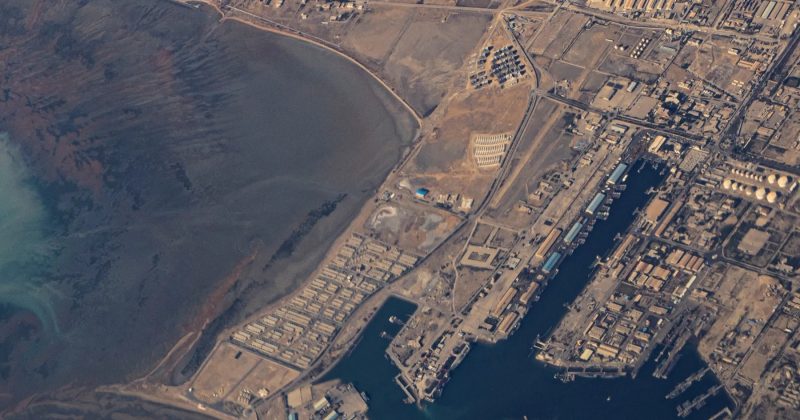
Military tensions have reached a breaking point as US strikes hit Bandar Abbas and Qeshm Island following the total collapse of the ceasefire in the Iran War. This sudden escalation represents a massive shift in regional stability, directly threatening to disrupt global supply chains and ignite widespread market volatility.
Beyond the immediate kinetic warfare, the heightened instability in Iran could pave the way for forced regime change, fundamentally reshaping the geopolitical landscape. As global market perceptions shift under the weight of this conflict, the ripple effects are expected to hit high-risk assets and the broader macroeconomy with unprecedented force.
The escalation in military actions has heightened instability in Iran, following US strikes on Bandar Abbas and Qeshm Island after the collapse of the ceasefire in the Iran War. This surge in hostilities increases the likelihood of regime change and is poised to significantly impact global market perceptions, driving uncertainty across all major asset classes.
This is a summarized and adapted version by Artificial Intelligence. To read the complete original story, visit the official source.
Read Full Article at Crypto BriefingSupport Jornal Bitcoin
Independent journalism, curated by AI, no clickbait. Keep the flame alive with any amount of BTC.
jonata@walletofsatoshi.comDaily Crypto Brief 📬
Subscribe to receive the curation of the most important Bitcoin and crypto news, summarized by AI. No spam.
Join more than 10,000 smart readers.
Related News

The $8 Billion Bitcoin Attack: Why Derivatives Could Make Chaos Profitable
This insight highlights a dangerous intersection between network security and financial engineering. By leveraging sophisticated derivative strategies, an attacker could offset the immense costs of a direct assault, turning a systemic threat into a lucrative arbitrage opportunity. This development underscores the growing complexity of risk management in the decentralized finance ecosystem and the potential for coordinated market manipulation.
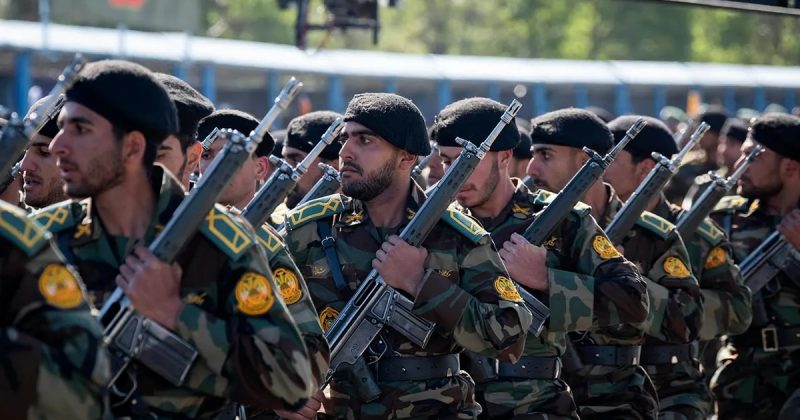
US Escalates Strikes on Iran Following Ceasefire Collapse: Global Stability at Risk
Beyond the immediate combat, the US is grappling with mounting logistical challenges that could strain military resources. As tensions fluctuate, the resulting geopolitical instability remains a critical factor for global liquidity and risk assessment in the digital asset space.

Geopolitical Shift: Polymarket Odds for Iran-Gulf Conflict Drop Following Hormuz Threat
This volatility is compounded by the ongoing Israeli military operations in Gaza and Lebanon, which continue to report significant civilian casualties. As geopolitical tensions fluctuate, investors and traders are closely watching how these regional conflicts impact broader market sentiment and risk appetite.

Gold Slumps as US-Iran Tensions Spike Oil Prices and Fed Rate Hike Looms
Compounding the pressure, the looming expectation of a Fed rate hike is tightening market conditions and threatening to fuel inflation. As oil prices climb and gold loses momentum, the intersection of energy shocks and central bank policy is set to redefine global investment strategies.

Explosions in Southwest Iran: Military Escalation Threatens Regional Stability
The escalation in the Middle East carries significant implications for market dynamics and asset volatility. As military activity intensifies, the resulting uncertainty often leads to rapid shifts in investor sentiment, potentially impacting liquidity and driving volatility across both traditional and crypto markets.

Middle East Chaos: Iranian Missile and Drone Strikes Hit UAE Despite Ceasefire Claims
These military actions are actively challenging market perceptions of de-escalation, forcing analysts to reassess the risk of broader conflict. As the situation evolves, the potential for increased volatility remains a critical factor for both traditional finance and the crypto ecosystem.
