Market Turmoil: Oil Surpasses $100, Triggering Inflation Fears and Asian Stock Slump

Global markets are reeling as crude oil prices breach the critical $100 threshold, sending shockwaves through Asian stocks and bond markets. This surge in energy costs is reigniting intense inflation concerns, leading investors to fear that central banks will be forced to maintain aggressive interest rate policies to combat rising prices.
The macroeconomic implications are profound, as the spike in oil prices threatens to dampen global growth and increase market volatility. With projections suggesting oil could hit new all-time highs by September 30, the financial landscape remains on edge, facing significant headwinds from energy-driven inflationary pressures.
Asian stocks declined sharply as oil prices exceeded $100 per barrel, stoking widespread fears regarding global inflation. The surge in energy costs has hit both equity and bond markets, as investors brace for the possibility of prolonged high interest rates designed to curb the inflationary spiral caused by rising commodity prices.
Market analysts warn that the situation could escalate further, with oil potentially reaching new all-time highs by September 30, with some estimates suggesting a potential 10.5% increase. This volatility underscores the growing tension between energy supply constraints and global monetary policy, creating a high-risk environment for all asset classes.
This is a summarized and adapted version by Artificial Intelligence. To read the complete original story, visit the official source.
Read Full Article at Crypto BriefingSupport Jornal Bitcoin
Independent journalism, curated by AI, no clickbait. Keep the flame alive with any amount of BTC.
jonata@walletofsatoshi.comDaily Crypto Brief 📬
Subscribe to receive the curation of the most important Bitcoin and crypto news, summarized by AI. No spam.
Join more than 10,000 smart readers.
Related News

Oil Price Alert: Iran Conflict Risks Could Send Crude to All-Time Highs
Market analysts suggest that crude oil is positioned to hit a new all-time high by December 31. This potential surge in energy costs could trigger broader economic shifts, influencing inflation rates and the overall movement of capital across global financial markets.

Gulf Tension Rises: US and Iran Exchange Strikes Amid Escalation Fears
Market analysts are closely monitoring the situation, as recent data suggests a 44.5% probability of further Iranian military action against Gulf states by July 30. Such geopolitical instability often serves as a catalyst for extreme market volatility, potentially driving capital flows toward decentralized assets as investors seek hedges against traditional systemic risks.

Energy Shock: US Gas Prices Surge Past $4 Amid Iran Tensions and Trump Tariff Fears
Market intelligence suggests a massive spike is on the horizon, with crude oil projected to hit new all-time highs by September 30, potentially rising by 10.2%. This volatility poses a significant threat to global inflation rates and could reshape trade dynamics in the coming months.

Crypto Pullback: Dogecoin and Ether Slump as Tech Earnings Shake Markets
Despite this localized volatility, most major cryptocurrencies remain up on the week. Market participants are now shifting their attention toward next week's Fed meeting, anticipating how central bank signals will influence broader liquidity and crypto market trends.

Russian Liquidity Crisis: 2.4 Trillion Ruble Cash Withdrawal Sparks Global Alarm
As the financial landscape shifts, all eyes are on the central bank's next move regarding interest rates. Speculation is mounting over a potential rate cut following the July meeting, as policymakers struggle to balance economic stability against the sudden vacuum of liquidity and heightened market volatility.
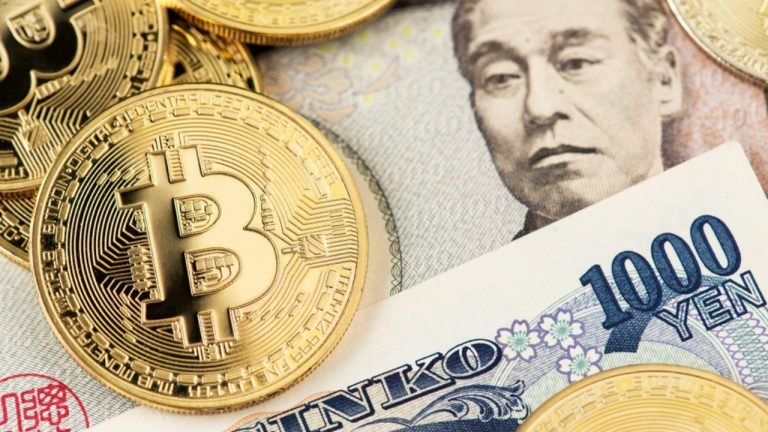
Japan’s Crypto Revolution: First Spot Bitcoin ETF Could Hit the Market by 2028
As regulators scrutinize new custody standards for crypto, the path toward institutional adoption becomes clearer. The success of this initiative hinges on comprehensive regulatory updates, which could fundamentally change how Japanese investors interact with Bitcoin and the broader cryptocurrency market.
