Russian Liquidity Crisis: 2.4 Trillion Ruble Cash Withdrawal Sparks Global Alarm

A massive liquidity crunch is looming in Russia as citizens withdraw over 2.4 trillion rubles in cash, destabilizing the banking sector. This unprecedented surge in cash demand is stripping vital liquidity from the financial system, creating a ripple effect of uncertainty that could impact global risk appetite.
As the financial landscape shifts, all eyes are on the central bank's next move regarding interest rates. Speculation is mounting over a potential rate cut following the July meeting, as policymakers struggle to balance economic stability against the sudden vacuum of liquidity and heightened market volatility.
Russia is facing a significant liquidity threat as reports confirm that over 2.4 trillion rubles have been withdrawn in cash. This massive outflow is raising urgent liquidity concerns across the nation's financial institutions. Amidst this volatility, market participants are closely watching central bank signals, with discussions intensifying around a potential rate cut following the July meeting as the economy grapples with the sudden demand for physical currency.
This is a summarized and adapted version by Artificial Intelligence. To read the complete original story, visit the official source.
Read Full Article at Crypto BriefingSupport Jornal Bitcoin
Independent journalism, curated by AI, no clickbait. Keep the flame alive with any amount of BTC.
jonata@walletofsatoshi.comDaily Crypto Brief 📬
Subscribe to receive the curation of the most important Bitcoin and crypto news, summarized by AI. No spam.
Join more than 10,000 smart readers.
Related News

Japan’s Crypto Revolution: First Spot Bitcoin ETF Could Hit the Market by 2028
As regulators scrutinize new custody standards for crypto, the path toward institutional adoption becomes clearer. The success of this initiative hinges on comprehensive regulatory updates, which could fundamentally change how Japanese investors interact with Bitcoin and the broader cryptocurrency market.

RBI Intervention Blunts Oil Surge, Stabilizing Rupee Amid Market Volatility
As crude oil is projected to hit new all-time highs by September 30, the RBI's actions are critical to managing import inflation and protecting the nation's fiscal health. The intervention serves as a vital buffer against the massive price swings expected in the energy sector throughout the coming weeks.
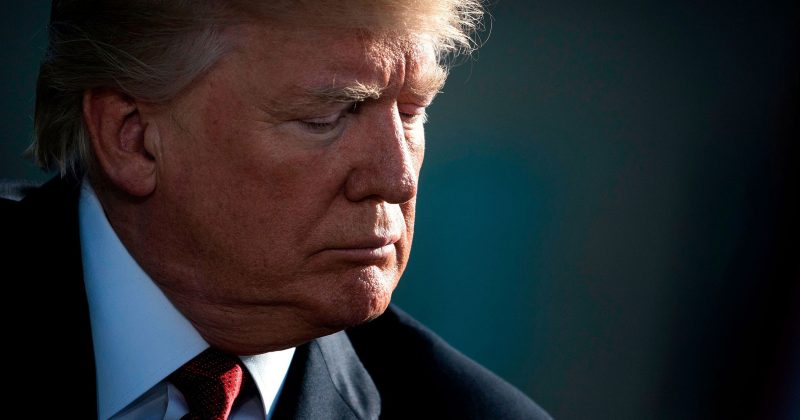
Geopolitical Flashpoint: Trump Warns Iran Over Houthi Attacks
This aggressive stance comes amidst discussions of a potential U.S.-Iran deal involving reconstruction funding slated for 2026. The interplay between military threats and diplomatic negotiations creates significant volatility, potentially influencing risk appetite across both traditional and digital asset markets.

Kyiv Strikes Cripple Russian Economy Ahead of Critical July 24 Rate Decision
Market sentiment suggests a significant shift in monetary policy is looming, with a 64% probability of a rate cut following the July 24 announcement. The ongoing Kyiv strikes are forcing economists to reconsider the resilience of the Russian financial system amidst escalating geopolitical tensions.

Geopolitical Alert: Hormuz Tanker Traffic Plummets to May Lows Amid US-Iran Friction
While current data suggests a potential normalization of traffic by September 30 at a rate of 21.5%, the underlying geopolitical risk remains a primary driver of market volatility. Investors should prepare for potential ripple effects across global commodities and high-risk asset classes as the situation evolves.

End of the Influencer Era? Indonesia Imposes $30K Fines on Crypto Promotions
This shift highlights a growing global trend of authorities targeting social media-driven market volatility to protect retail investors. Amidst these regulatory shifts, market sentiment remains focused on price action, with Bitcoin eyeing a potential surge toward the $72,000 milestone by late July.
