US Fiscal Shockwave: Trump Tariff Refunds Skyrocket to $81 Billion Following Supreme Court Ruling
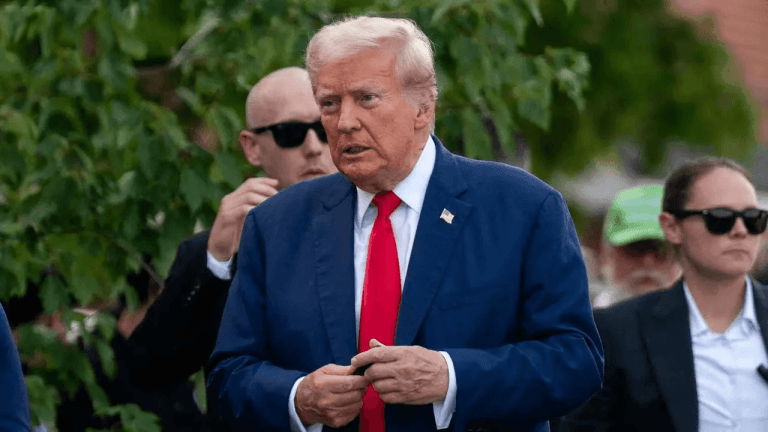
The United States government has executed a massive $81 billion payout in tariff refunds this fiscal year, following a landmark Supreme Court ruling that declared Donald Trump’s sweeping import levies illegal. This staggering figure represents a monumental leap from the $5 billion refunded during the same period last year, marking a significant shift in federal fiscal obligations.
The surge in tariff refunds is a direct consequence of the February ruling, which dismantled the legal basis for several major import levies. As the government processes these massive payments, the economic implications for trade policy and market stability remain a focal point for analysts monitoring the fallout of the Supreme Court decision.
The U.S. government has paid back $81 billion in tariffs so far this fiscal year after the Supreme Court ruled President Donald Trump’s sweeping import levies illegal in February. The figure dwarfs the $5 billion refunded over the same stretch a year earlier. The refund tally, flagged Monday, covers the massive surge in payouts triggered by the judicial reversal of the previous administration's trade policies.
This is a summarized and adapted version by Artificial Intelligence. To read the complete original story, visit the official source.
Read Full Article at Bitcoin.comSupport Jornal Bitcoin
Independent journalism, curated by AI, no clickbait. Keep the flame alive with any amount of BTC.
jonata@walletofsatoshi.comDaily Crypto Brief 📬
Subscribe to receive the curation of the most important Bitcoin and crypto news, summarized by AI. No spam.
Join more than 10,000 smart readers.
Related News

US Job Growth Misses Expectations: Fed Rate Hike Odds Vanish as Economy Slows
As the odds of further rate hikes evaporate, the focus shifts toward potential rate cuts to prevent a deeper recession. This shift in monetary policy is being closely watched by crypto enthusiasts, as lower interest rates typically increase liquidity and can provide a massive boost to cryptocurrency values.

USMCA Extension Blocked by White House as Polymarket Shifts Political Odds
Adding to the geopolitical volatility, the Polymarket prediction market is seeing significant movement, with Gavin Newsom currently sitting at a 20.45% probability in recent shifts. The convergence of major USMCA policy changes and the speculative nature of prediction markets creates a high-stakes environment for those tracking global economic stability.
US Economy Grows 2.1% in Q1, Yet Crypto Markets Barely Flinch: A New Era of Decoupling?
As the US economy continues to evolve, the crypto market's indifference to GDP figures highlights a fundamental change in market dynamics. This trend indicates that investors may be prioritizing internal crypto liquidity and blockchain-specific drivers over conventional economic indicators like GDP growth.
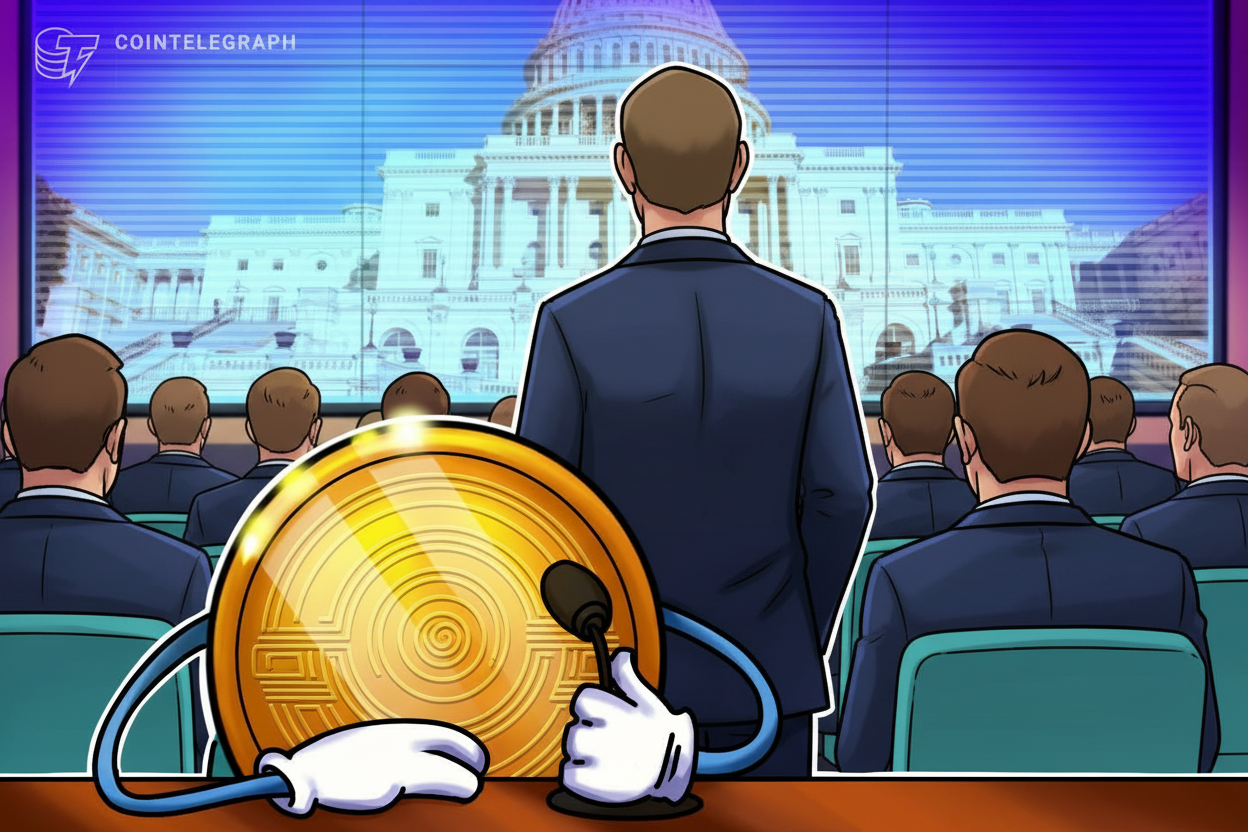
US Senator Dismisses Crypto as Economic Threat During Senate Affordability Hearing
While Carbone emphasized that crypto could provide competitive pressure on traditional payment systems and lower barriers to asset ownership, the legislative response was notably muted. Although Senator Tim Banks raised questions regarding the cost-efficiency of USD-pegged stablecoins for foreign remittances, the broader political consensus appeared indifferent to the potential impact of blockchain technology on national affordability agendas.
Trade War Alert: EU Debates Tougher Measures Against China to Curb Deficit
A potential shift in EU trade policy could fundamentally reshape global supply chains, creating significant volatility for industries reliant on Chinese imports. Furthermore, the looming threat of retaliatory measures from China adds a layer of geopolitical risk to the global economic landscape.

Alerta da Reserva Federal: Queda de Investimentos em Fronteiras Sinaliza Incerteza Econômica Antes da Revisão do USMCA
Com a iminente revisão do acordo comercial USMCA, essa queda na injeção de capital nas zonas fronteiriças pode redefinir as estratégias de mercado e impactar diretamente a economia dos EUA. Investidores e analistas devem monitorar de perto como essas tensões macroeconômicas irão moldar o fluxo de comércio global e os mercados financeiros nos próximos meses.
