Bolivia Considers Adding Tether (USDT) to National Payment System Amid Crypto Surge

Bolivia is weighing a major regulatory shift by considering the integration of Tether (USDT) into its national payment system. Following the central bank's decision to lift restrictions in mid-2024, the nation has seen a massive spike in crypto usage, with transaction volumes skyrocketing to $430 million within a single year.
The potential adoption of USDT highlights a strategic pivot toward embracing digital assets to stabilize the local economy. By incorporating stablecoins into the formal financial infrastructure, Bolivia aims to capitalize on the rapid growth of the crypto market and provide citizens with more efficient payment alternatives.
The decision underscores the growing influence of digital assets in the region and the government's response to a rapidly evolving financial landscape.
This is a summarized and adapted version by Artificial Intelligence. To read the complete original story, visit the official source.
Read Full Article at CoinDeskSupport Jornal Bitcoin
Independent journalism, curated by AI, no clickbait. Keep the flame alive with any amount of BTC.
jonata@walletofsatoshi.comDaily Crypto Brief 📬
Subscribe to receive the curation of the most important Bitcoin and crypto news, summarized by AI. No spam.
Join more than 10,000 smart readers.
Related News

Hyundai Disrupts Cross-Border Finance with Successful USDT and Avalanche Pilot
This proof-of-concept highlights the growing institutional adoption of stablecoin-based payments to bypass the inefficiencies of traditional banking. While conventional cross-border transfers can take hours to settle, Hyundai's use of Axiym's settlement infrastructure and Hyundai Card's regulatory oversight demonstrates that blockchain technology offers a faster, more compliant, and highly efficient alternative for international liquidity management.

Bolivia Economic Crisis: Government Considers Adopting USDT Stablecoin
As the country faces mounting financial pressure, both citizens and policymakers are increasingly turning to cryptocurrencies as a lifeline. The potential adoption of USDT represents a strategic attempt to bypass traditional banking limitations and provide liquidity, marking a significant moment in the intersection of state policy and decentralized finance.

Crypto Liquidity Crunch? Stablecoin Supply Plummets by $10 Billion
However, market analysts are not sounding the alarm for a crash, instead viewing this decline as a temporary market adjustment. This recalibration of stablecoin supply is seen as a healthy correction rather than a fundamental exit of capital from the digital asset space.

Is the Bitcoin Sell-Off Over? Why Profit Margins Are Drying Up for Sellers
Despite the geopolitical noise surrounding the U.S.-Iran escalation, Bitcoin is showing remarkable resilience. This stability is being bolstered by renewed spot ETF inflows, which are absorbing supply and providing a strong fundamental floor for the cryptocurrency's current price action.

Ethereum Alert: Analysts Predict Explosive Price Action for ETH
Technical indicators point toward a potential breakout as market sentiment begins to pivot. As investors closely track Ethereum price predictions, the focus remains on whether the network's fundamental strength can catalyze a sustained rally and attract renewed institutional interest.
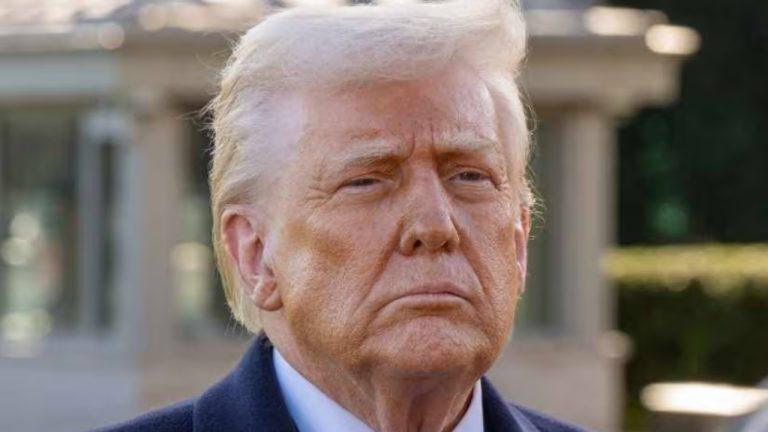
Trump Escalates CLARITY Act Push to Stop China from Seizing Crypto Dominance
The stakes extend beyond digital assets, as the push for the CLARITY Act is deeply intertwined with the global race for artificial intelligence supremacy. This geopolitical maneuver signals that the battle for crypto dominance is now a central pillar of the broader struggle for technological and economic hegemony between the U.S. and China.
