Staking Trap? BitMine Derives 98% of Revenue from Staking Amid Decade-Long Contract Lock-in

BitMine has disclosed a massive reliance on staking, which now accounts for a staggering 98% of its total revenue. While the income stream is substantial, a decade-long contract has introduced significant friction, complicating any potential early exit or strategic pivot for the firm.
The complexity arises from the protections afforded to the Ethereum Tower, which can retain a 2% interest rate or elect for formula-based payments following a covered termination. This intersection of high staking revenue and rigid long-term contracts presents a unique risk profile for stakeholders navigating the crypto landscape.
BitMine is navigating a high-stakes reality where 98% of its revenue is generated through staking activities. While this demonstrates a successful capture of yield, it also highlights a massive concentration risk. A decade-long contract currently in place makes an early exit from these obligations extremely difficult.
Under the terms of the agreement, the Ethereum Tower is shielded by specific clauses, allowing it to maintain a 2% interest rate or opt for continuing fees and formula-based payments even after a covered termination. This long-term contract structure provides security for the tower but significantly restricts BitMine's operational agility.
This is a summarized and adapted version by Artificial Intelligence. To read the complete original story, visit the official source.
Read Full Article at CryptoSlateSupport Jornal Bitcoin
Independent journalism, curated by AI, no clickbait. Keep the flame alive with any amount of BTC.
jonata@walletofsatoshi.comDaily Crypto Brief 📬
Subscribe to receive the curation of the most important Bitcoin and crypto news, summarized by AI. No spam.
Join more than 10,000 smart readers.
Related News

Geopolitical Flashpoint: Iran Escalates Attacks on US Navy in Strait of Hormuz
As the situation unfolds, speculative models are already pricing in extreme outcomes, including a 27.5% probability of a US invasion of Iran before 2027. For the crypto market, such heightened systemic risk often serves as a catalyst for increased interest in decentralized assets as hedges against traditional financial instability.

Legal Warfare: Digital Chamber Sues to Block Illinois' Digital Asset Tax
As the industry navigates these regulatory hurdles, market sentiment remains volatile yet ambitious. While some analysts suggest a bullish path with Bitcoin potentially hitting $160K by late 2026, the outcome of this lawsuit will significantly influence the broader landscape of digital asset taxation and institutional compliance in the United States.

The Lamine Yamal Effect: How the Rising Star Could Disrupt Fan Tokens and Sports Betting Markets
Experts suggest that Yamal's influence will act as a primary driver for the next wave of fan tokens and sports betting evolution. As his global brand expands, the intersection of football and blockchain technology is expected to see unprecedented volatility and growth, reshaping how fans interact with their favorite athletes through digital assets.

SUI Network Surges: 4.5 Billion Transactions Milestone Hit Amidst Wallet Activity Boom
This milestone highlights the growing dominance of the SUI blockchain in a competitive market. As wallet activity continues to climb, the network's ability to handle massive transaction volumes positions it as a critical infrastructure provider for the next wave of decentralized applications and high-frequency trading.

Crypto War: Lobby Group TDC Sues Illinois to Block New Digital Asset Tax
This litigation marks a significant escalation in the battle between crypto advocates and state-level taxation. The outcome could set a massive precedent for how digital asset taxes are handled across the U.S., potentially influencing whether other states follow Illinois' aggressive fiscal approach toward the blockchain sector.
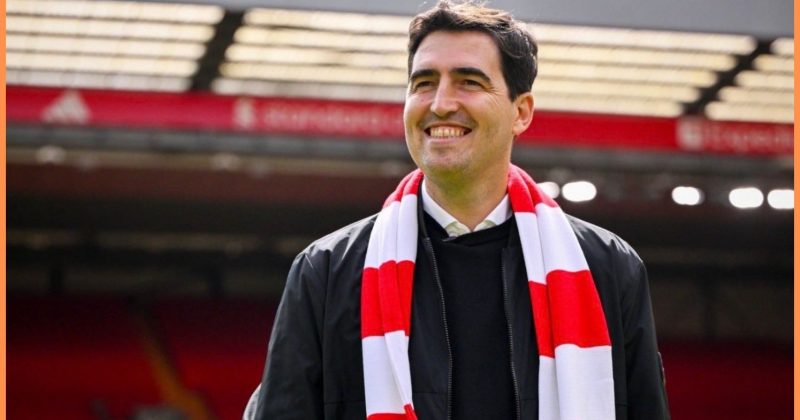
The Liverpool Effect: Why Iraola’s Rebuild Exposes the Fatal Flaw in Crypto Markets
This comparison between elite sports and the crypto ecosystem highlights a shared 'roster problem': the struggle to maintain stability amidst high turnover. For investors and analysts, understanding how squad building in football parallels the movement of digital assets and tokens offers a unique perspective on managing risk in rapidly evolving environments.
