Bitcoin's Low Volatility Doesn't Mean Low Risk: The Hidden Truth
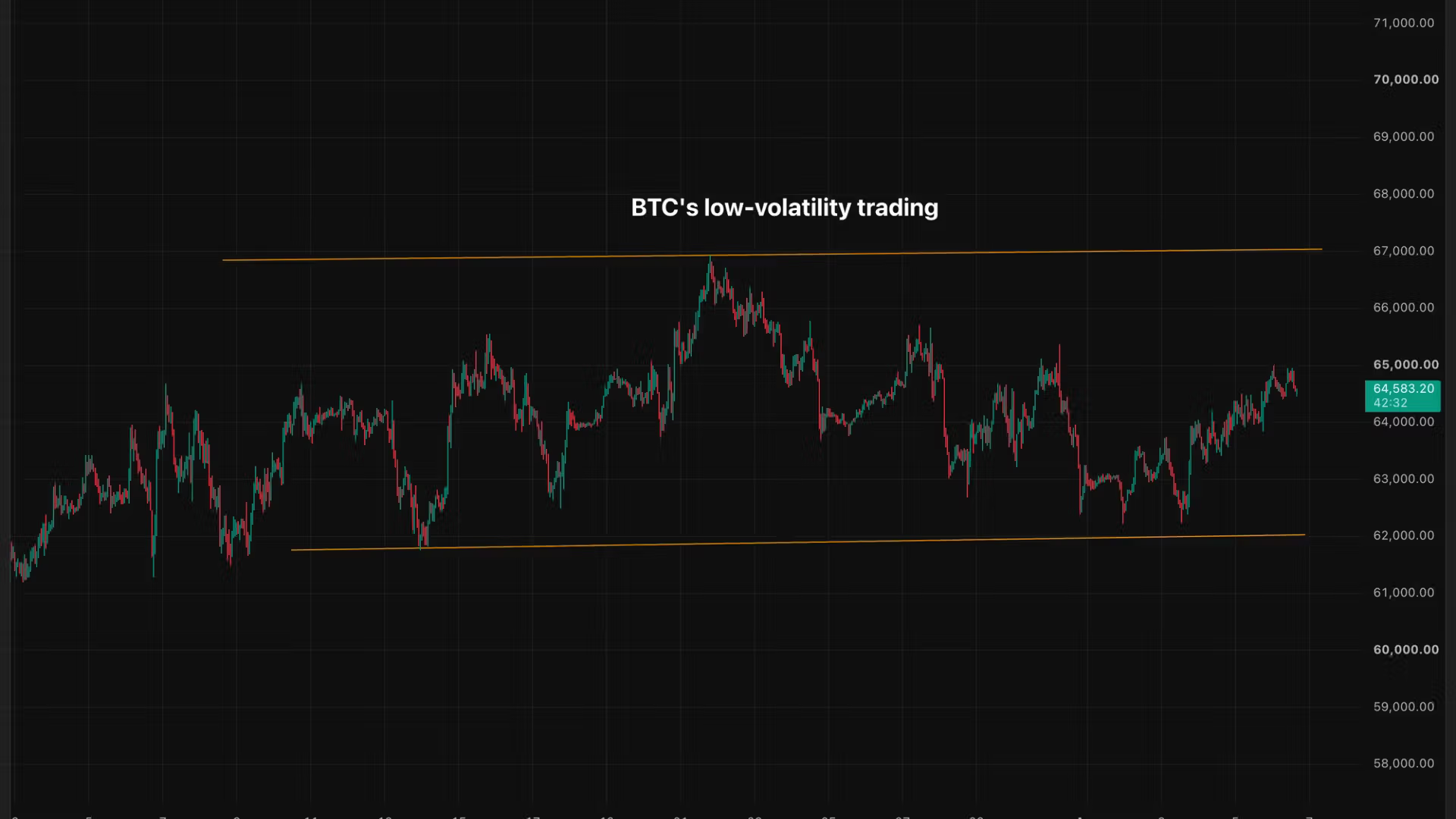
Bitcoin's recent decline in volatility doesn't equate to reduced risk, contrary to what some investors might believe. The cryptocurrency market can experience sudden shifts, and apparent stability can be misleading. Market analysts emphasize that Bitcoin still carries inherent risks that could materialize at any moment, regardless of current price movements. This low-volatility period occurs at a critical time for the crypto ecosystem as global regulators discuss frameworks for the industry. Short-term stability might attract new investors, but experts warn about the importance of financial education and understanding blockchain fundamentals. Bitcoin's future trajectory will depend on how market participants navigate this apparent calm, with potential regulatory developments on the horizon that could significantly impact the market.
Bitcoin's low volatility has become a talking point among investors and crypto market analysts. While price stability might seem like a safe entry point, experts warn that this doesn't eliminate the inherent risks associated with the world's leading cryptocurrency. The crypto market is known for its unpredictable nature, and periods of calm often precede significant movements. Investors should consider not just volatility but also fundamental factors such as institutional adoption, regulation, and technological innovations when assessing the risk associated with Bitcoin.
This is a summarized and adapted version by Artificial Intelligence. To read the complete original story, visit the official source.
Read Full Article at CoinDeskSupport Jornal Bitcoin
Independent journalism, curated by AI, no clickbait. Keep the flame alive with any amount of BTC.
jonata@walletofsatoshi.comDaily Crypto Brief 📬
Subscribe to receive the curation of the most important Bitcoin and crypto news, summarized by AI. No spam.
Join more than 10,000 smart readers.
Related News
Brazil's Central Bank Freezes Crypto Transfers Above $10K for 24 Hours: What Changes?
Bitcoin at Crossroads as Zcash Soars: Market Turning Point?

ARK 21Shares Bitcoin ETF rakes in $620M after Coldcard hack shakes self-custody community
The Coldcard incident, involving a popular cold storage device, has intensified debates about the risks associated with self-custody, prompting many market participants to reassess their security strategies. The growing adoption of Bitcoin ETFs reflects a broader trend toward solutions that offer exposure to the cryptocurrency market with less operational complexity and fund loss risk, representing a potential inflection point for the digital asset industry.
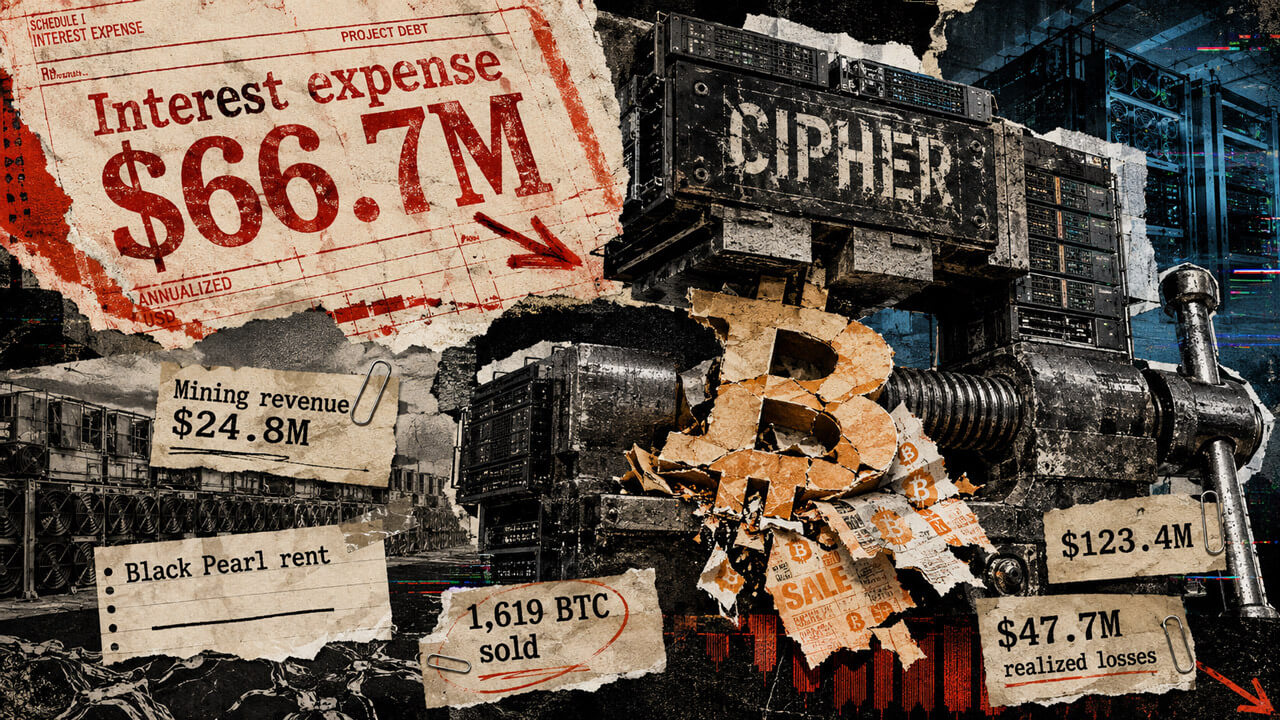
Bitcoin miner sells 1,619 BTC at $47M loss before AI data center rent payment
Cipher's decision to sell Bitcoin at a significant loss underscores the challenges mining firms face with rising operational costs and increasing competition in the cryptocurrency sector. As companies pivot toward AI data centers as new revenue streams, this strategic shift could reshape the future landscape of Bitcoin mining and its integration with emerging technologies.

Physical Crypto Heists on Track for Record Year as $30M Stolen in 2026: Chainalysis
Context & Impact: Chainalysis analysis reveals that criminals are employing increasingly sophisticated laundering techniques, making it harder to track digital assets. The rise of these physical attacks represents a new front in cryptocurrency security, alerting investors and exchanges about the need for protection measures beyond digital ones.

Coinbase Brings 24/5 US Stock Trading to UK Users After Securing Key Regulatory Approval
Coinbase's new UK stock trading functionality has the potential to transform the investment experience for British users, providing greater flexibility and access to the lucrative US equity market. With the growing demand for digital financial products, this expansion positions Coinbase as a direct competitor to traditional platforms like Robinhood and Interactive Brokers, while strengthening its foothold in the European fintech landscape.
