Bitcoin Traders Strip Away Crash Protection Ahead of Unpredictable Fed Move

Bitcoin derivatives markets are flashing a warning sign as traders aggressively scale back their hedges. The Bitcoin options put-to-call open-interest ratio has plummeted from 0.76 in late June to approximately 0.52, signaling a significant reduction in downside protection across the market.
This shift in sentiment coincides with a period of extreme macroeconomic uncertainty, as the Fed prepares for its most unpredictable rate decision in years. With fewer put contracts protecting against a price decline, the Bitcoin market remains highly vulnerable to sudden volatility spikes driven by Federal Reserve policy shifts.
Bitcoin traders have spent the past month reducing protection against a price decline while the Fed has made its next decision harder to predict. The Bitcoin options put-to-call open-interest ratio has fallen to approximately 0.52 from 0.76 in late June, meaning about 52 put contracts remain open for every 100 calls. Meanwhile, Fed Funds futures suggest a landscape of growing uncertainty regarding the central bank's next move.
This is a summarized and adapted version by Artificial Intelligence. To read the complete original story, visit the official source.
Read Full Article at CryptoSlateSupport Jornal Bitcoin
Independent journalism, curated by AI, no clickbait. Keep the flame alive with any amount of BTC.
jonata@walletofsatoshi.comDaily Crypto Brief 📬
Subscribe to receive the curation of the most important Bitcoin and crypto news, summarized by AI. No spam.
Join more than 10,000 smart readers.
Related News

Stealth Upside Trap? Bitcoin Defies Plunging CLARITY Act Odds
This refusal to drop suggests that traders may have already priced in a legislative failure, but it also raises red flags for cautious investors. Analysts warn this could be a stealth upside trap, where the lack of immediate downward pressure masks a potential volatility spike if market sentiment shifts.
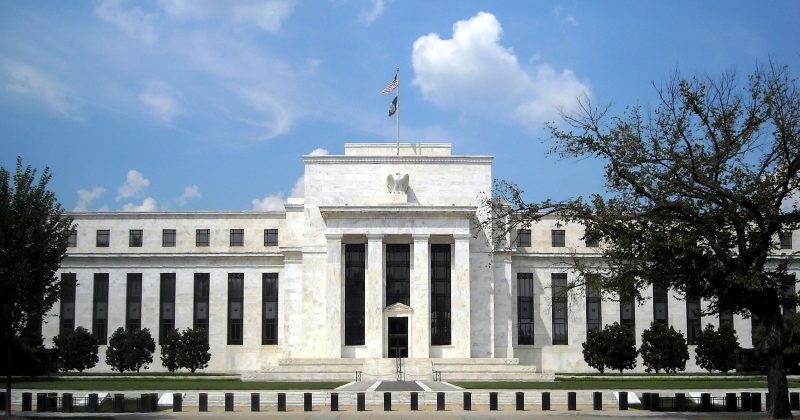
Fed Rate Hike Unlikely in July: Why Crypto Markets Are on High Alert
Beyond the immediate interest rate decisions, investors are closely watching for leadership shifts that could redefine long-term investment strategies. The interplay between Federal Reserve signals and digital asset volatility remains a critical factor for traders navigating the current macroeconomic landscape.

SpaceX Crash: Why Shares Have Plummeted Nearly 50% Since June Peak
Market analysts point to aggressive spending plans and a murky near-term financial outlook as the primary catalysts for this sell-off. As investors weigh the company's ambitious roadmap against its actual fiscal performance, the volatility highlights the growing tension between high-growth tech ambitions and market stability.
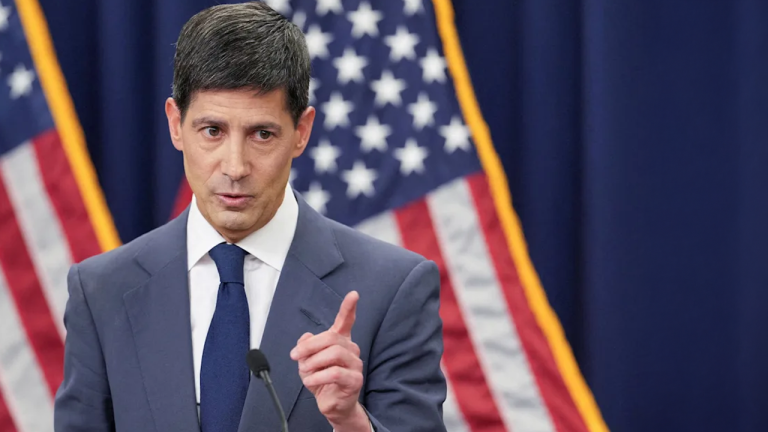
Market Split: Prediction Markets Signal Hold While Citadel Bets on Fed Rate Hike
This divergence comes amid mounting political pressure from Donald Trump on the central bank, complicating the Fed's path forward. As participants buy protection against unexpected shifts, the market remains on edge, balancing technical indicators against a backdrop of intense geopolitical and institutional tension.

Market Alert: Yen's 40-Year Low Sparks Fears of Massive Carry Trade Unwind and Crypto Volatility
As the USD/JPY pair nears the 164 level, the risk of a sudden liquidity crunch becomes increasingly real. This macroeconomic shift could force investors to liquidate high-risk positions, including Bitcoin and other digital assets, to cover yen-denominated obligations, mirroring the volatility seen in previous market cycles.

Global Shockwave: Iran Threatens to Block Strait of Hormuz Over Frozen Assets
A disruption in the global oil supply could trigger immediate volatility across financial markets. The consequences of this escalation extend beyond energy, potentially reshaping global market dynamics and increasing uncertainty for international investors.
