SpaceX Crash: Why Shares Have Plummeted Nearly 50% Since June Peak

SpaceX is facing a massive correction as its stock value has been slashed by nearly 50% since hitting its June peak. This sudden downturn signals a pivot in investor sentiment, moving away from pure hype toward a rigorous scrutiny of the company's current valuation and long-term viability.
Market analysts point to aggressive spending plans and a murky near-term financial outlook as the primary catalysts for this sell-off. As investors weigh the company's ambitious roadmap against its actual fiscal performance, the volatility highlights the growing tension between high-growth tech ambitions and market stability.
SpaceX (SPCX) shares have effectively erased their post-IPO surge, crashing nearly 50% from their June highs. The decline comes as investors turn skeptical, raising critical questions regarding the company’s valuation, its massive spending plans, and a near-term financial outlook that has failed to satisfy market demands. The era of unchecked optimism is being replaced by a demand for fiscal clarity in the face of rapid expansion.
This is a summarized and adapted version by Artificial Intelligence. To read the complete original story, visit the official source.
Read Full Article at CryptoPotatoSupport Jornal Bitcoin
Independent journalism, curated by AI, no clickbait. Keep the flame alive with any amount of BTC.
jonata@walletofsatoshi.comDaily Crypto Brief 📬
Subscribe to receive the curation of the most important Bitcoin and crypto news, summarized by AI. No spam.
Join more than 10,000 smart readers.
Related News

Institutional Flip: BlackRock Pumps $11.75M Into ETHA as Ether ETFs Outpace Bitcoin
This surge comes as U.S. spot ether ETFs attracted $9.23 million in inflows, directly contrasting with Bitcoin funds, which recorded their third consecutive day of outflows. While Solana and XRP products saw modest gains, the divergence highlights a strategic rotation of capital as investors pivot their focus within the digital asset landscape.

PayPal doubles down on stablecoins and AI as crypto assets shape Q2 earnings
Financial reports highlighted an $81 million non-GAAP adjustment stemming from gains and losses in strategic investments and crypto assets. PayPal clarified that it excludes these crypto-related fluctuations from its core operational results, as the company does not engage in active trading or rely on these digital assets to fund its day-to-day business operations, treating them instead as strategic holdings.

IMF Warning: Brazil's Stablecoin Surge Outpaces Traditional Capital Flows
Crucially, the IMF warns that stablecoin purchases are two to three times more sensitive to global economic shocks than traditional foreign direct investment or portfolio flows. While the Banco Central do Brasil (BCB) has begun regulating crypto service providers, the IMF points to critical regulatory gaps in customer asset protection, issuance rules, and AML/CFT compliance standards.
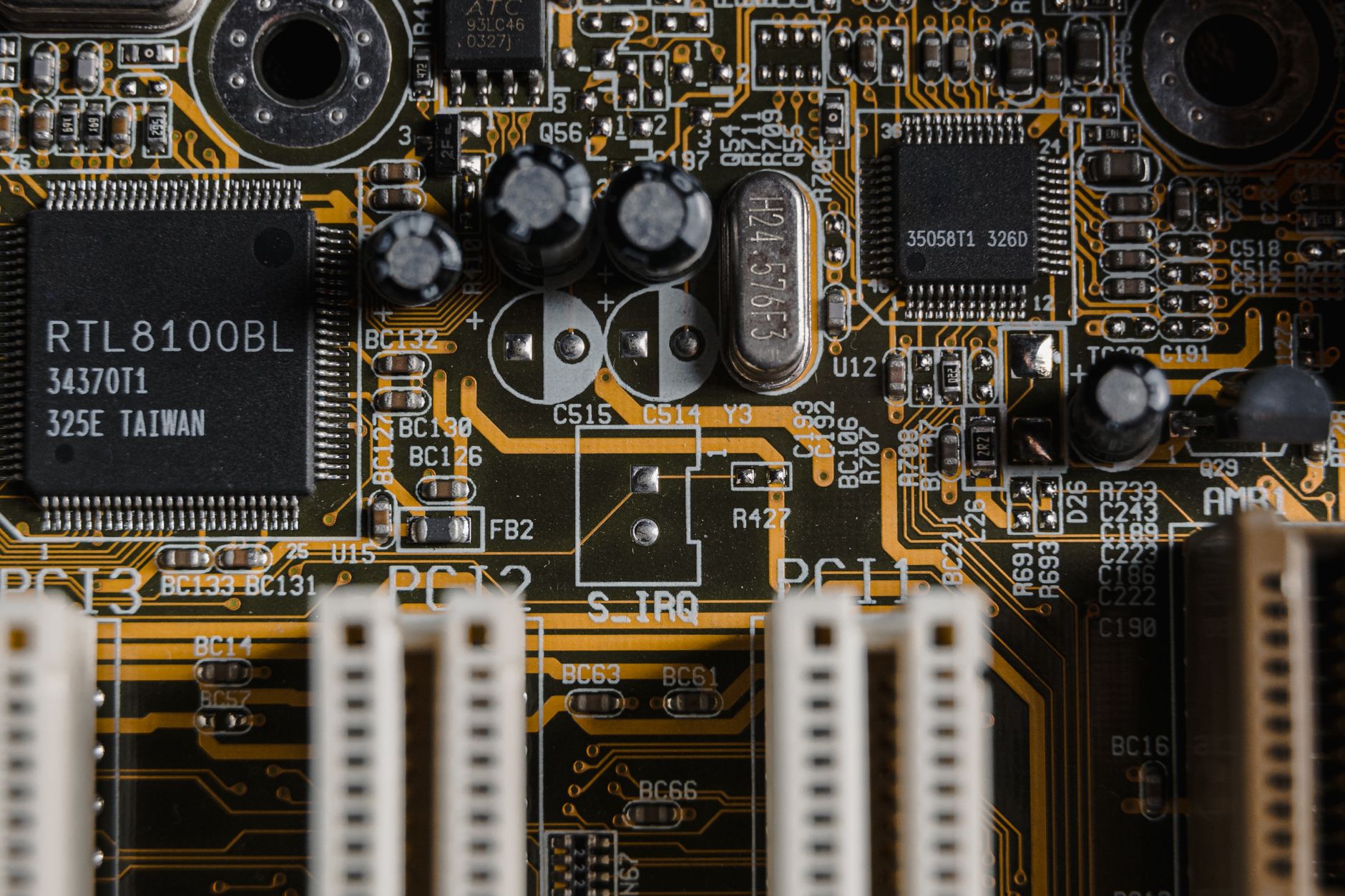
ASML's Monopoly Under Siege: China Delivers First Ultraviolet Lithography Machines
Market reaction was swift and punishing, with ASML shares tumbling 6% in a single day following the news. As China breaks the ASML monopoly in chip lithography, the global race for semiconductor sovereignty enters a volatile new phase, potentially reshaping international supply chains.
AI Investment Boom at Risk: Capital Spending Shift Signals Potential Slowdown
This shift carries heavy implications for global economic growth and broader stock market performance. As major tech players face pressure to justify massive expenditures, the industry must prepare for a period where strategic capital allocation becomes the primary driver of value rather than pure hype.

Hormuz Breakthrough? Iran and Oman Push for Agreement to Restart US Peace Talks
Beyond regional diplomacy, the success of this agreement could significantly impact U.S.-Iran relations and broader economic stability. For the crypto market and global investors, a reduction in Middle East tensions often translates to a shift in risk appetite, making this development a key indicator for future macroeconomic trends.
