Bitcoin Surges Past $64K as US Inflation Data Sparks Massive Risk Appetite!
Bitcoin surged past the $64,000 mark following weaker-than-expected US inflation data, which significantly eased pressure on interest rates. This sudden recovery of Bitcoin highlights a renewed appetite for risk as investors react to the shifting macroeconomic landscape.
As inflation cools, the market is pricing in a potential pivot or pause from the Federal Reserve, providing a massive tailwind for digital assets. This shift in sentiment is crucial for Bitcoin, as it positions the cryptocurrency to capitalize on a more accommodative monetary environment.
Bitcoin saw a major price jump, climbing above the $64,000 threshold after US inflation figures surprised the market with lower-than-anticipated readings. The cooling inflation has provided much-needed relief regarding interest rate pressures, shifting the narrative for global markets.
This data has directly boosted risk appetite, driving a strong recovery for Bitcoin and other crypto assets. Market participants are now closely watching how this inflation trend will influence the Federal Reserve's next moves and the long-term trajectory of the crypto market.
This is a summarized and adapted version by Artificial Intelligence. To read the complete original story, visit the official source.
Read Full Article at Portal do BitcoinSupport Jornal Bitcoin
Independent journalism, curated by AI, no clickbait. Keep the flame alive with any amount of BTC.
jonata@walletofsatoshi.comDaily Crypto Brief 📬
Subscribe to receive the curation of the most important Bitcoin and crypto news, summarized by AI. No spam.
Join more than 10,000 smart readers.
Related News

Manchester United Secures Tielemans in Massive $47M Deal
By integrating Tielemans into the midfield, United is making a clear statement regarding their Premier League title prospects. This significant investment reflects the club's commitment to squad enhancement and long-term competitive success on the pitch.
The Bitcoin Softfork Attempting to Police 'Junk Data' Is Already Facing Failure
This struggle highlights a critical tension between protocol efficiency and the core ethos of Bitcoin. By attempting to gatekeep what users can record on-chain, proponents of the softfork are challenging the fundamental principle that anyone willing to pay transaction fees should have the right to interact with the ledger without censorship.

Institutional Power Move: Anchorage Digital Adds Native TRX Staking and TRC-20 Support
By integrating these capabilities, Anchorage Digital is facilitating deeper liquidity and participation in the TRON ecosystem through a regulated framework. This expansion is a significant milestone for TRC-20 assets, as it allows large-scale institutions to capture staking rewards and manage digital assets with the highest standards of security and compliance.
Beyond Trading: Binance’s Bold Pivot Toward a Crypto 'Super App' Era
This pivot aims to transform the platform into a comprehensive 'super app' for the crypto economy. As stablecoins continue to reshape market growth, Binance is positioning itself to capture more than just traders, targeting the broader utility of digital assets in everyday financial life.
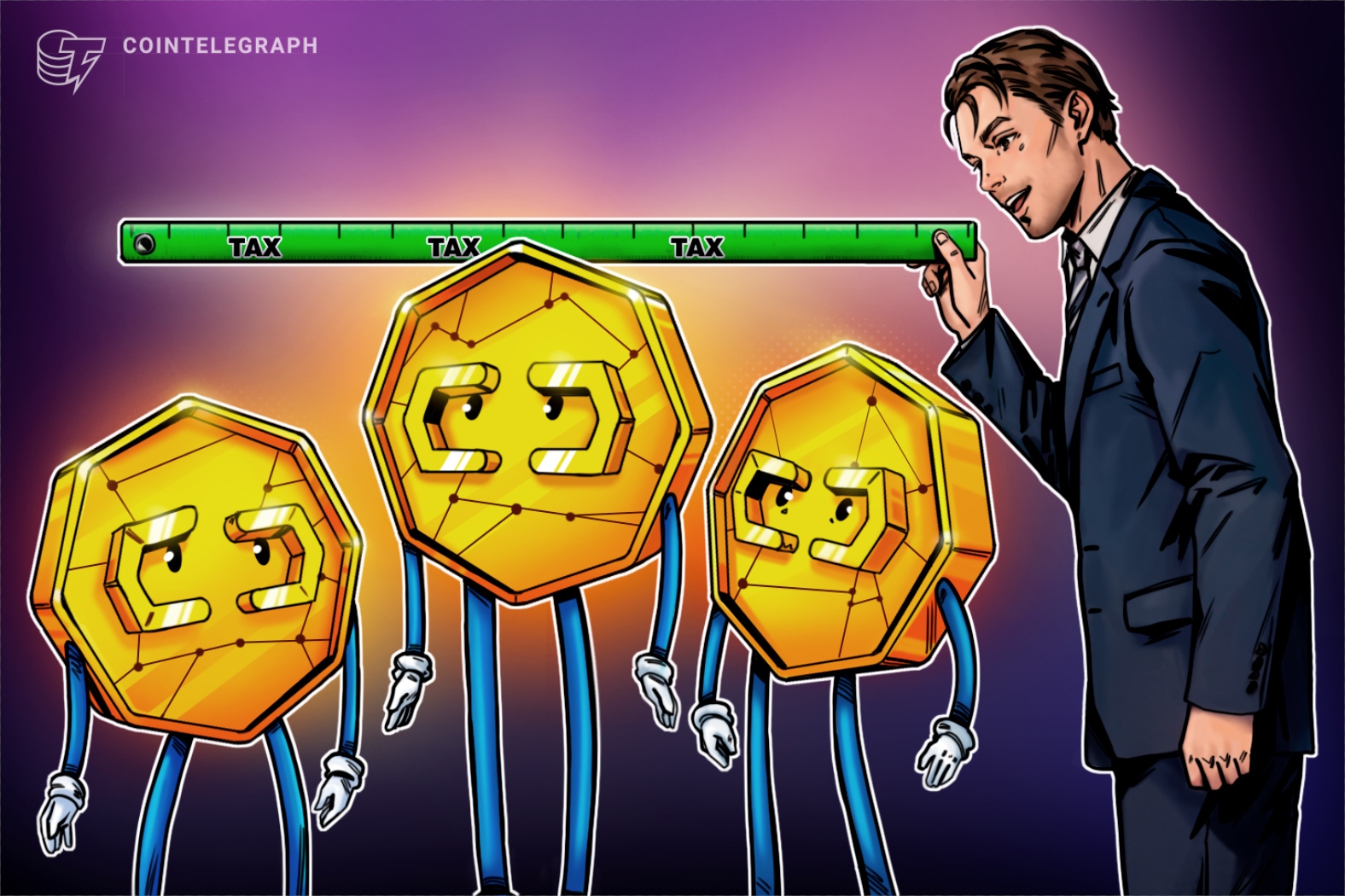
UK Tax Breakthrough: New 'No Gain, No Loss' Rule to Defer Crypto Capital Gains
This strategic move is expected to impact roughly 700,000 individuals by aligning tax obligations with actual economic disposals. By ensuring that gains and losses are only recognized when a participant exits a position economically, the UK aims to foster a fairer tax system that reflects the complex mechanics of modern crypto-lending and liquidity arrangements.
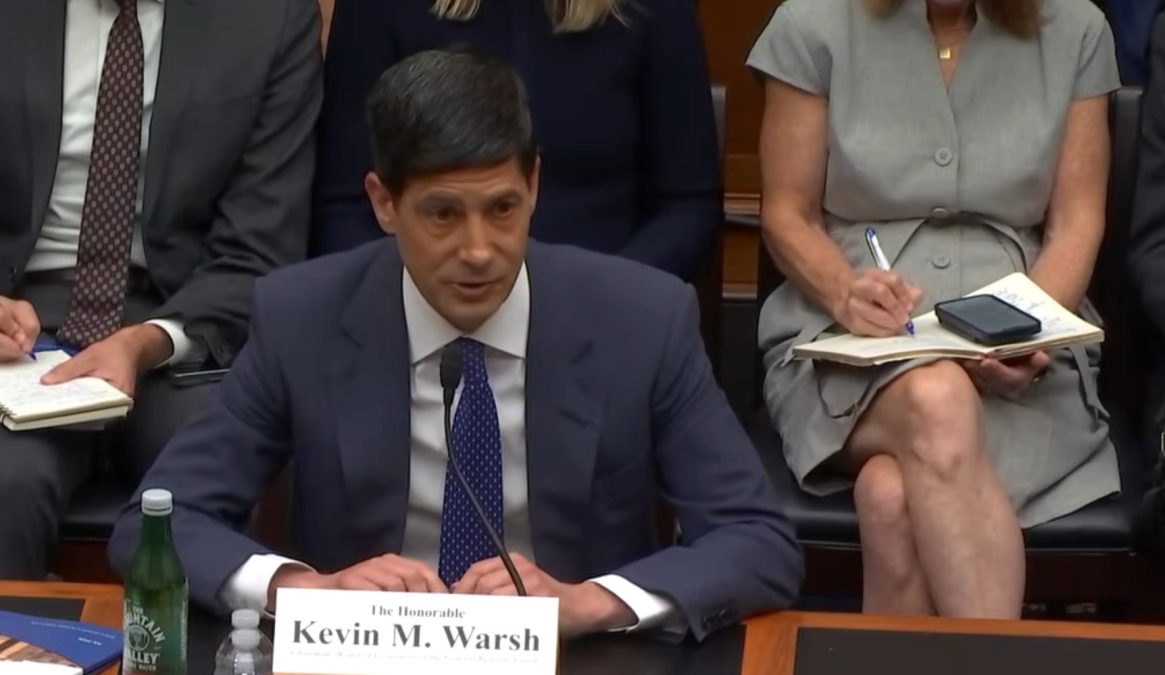
No Bailout: Fed Chair Signals No Safety Net for Stablecoins During Crisis
The implications for the crypto market are profound, as this policy forces a higher standard of collateralization and transparency to prevent contagion. While Warsh remains a vocal proponent of Bitcoin, describing it as an 'important asset,' his refusal to protect stablecoins creates a bifurcated regulatory landscape where Bitcoin's value is recognized, but its secondary stablecoin infrastructure remains exposed to market volatility.
