The Bitcoin Softfork Attempting to Police 'Junk Data' Is Already Facing Failure

A controversial attempt to regulate the content written to the Bitcoin ledger is sparking intense debate within the community. At the center of the storm is BIP-110, a softfork proposal designed to police 'junk data' by restricting certain types of data-heavy transactions on the network.
This struggle highlights a critical tension between protocol efficiency and the core ethos of Bitcoin. By attempting to gatekeep what users can record on-chain, proponents of the softfork are challenging the fundamental principle that anyone willing to pay transaction fees should have the right to interact with the ledger without censorship.
Bitcoin’s real power lies in the fact that anyone willing to pay fees can write to the ledger. However, backers of BIP-110 want to change this rule for data-heavy transactions, aiming to police what they categorize as 'junk data.' This backlash reveals the high stakes of the current debate: the battle for Bitcoin's permissionless nature. As the community pushes back, the tension between technical optimization and the unstoppable nature of the Bitcoin blockchain becomes more apparent than ever.
This is a summarized and adapted version by Artificial Intelligence. To read the complete original story, visit the official source.
Read Full Article at Bitcoin MagazineSupport Jornal Bitcoin
Independent journalism, curated by AI, no clickbait. Keep the flame alive with any amount of BTC.
jonata@walletofsatoshi.comDaily Crypto Brief 📬
Subscribe to receive the curation of the most important Bitcoin and crypto news, summarized by AI. No spam.
Join more than 10,000 smart readers.
Related News

Bitcoin Treasury Crisis: Collateral Calls Hit Hard as 12-Hour Liquidation Window Looms
This instability is compounded by the terrifying speed of modern crypto lending, where certain loans can face liquidation in as little as 12 hours. This narrow window for response means that sudden Bitcoin price swings could trigger a rapid chain reaction of liquidations, potentially destabilizing institutional holders and the broader market.
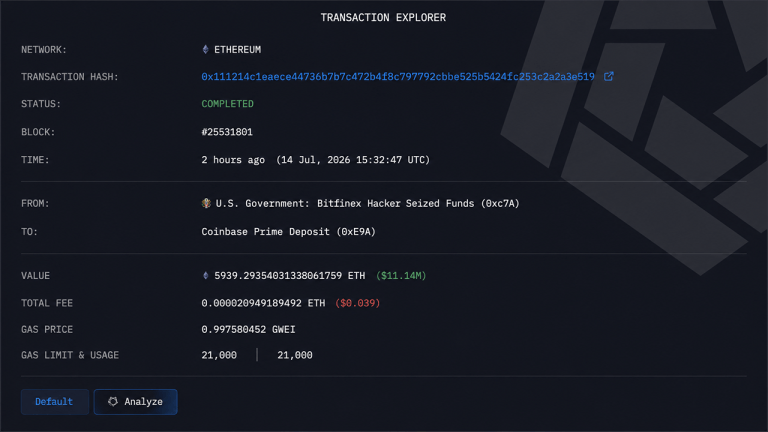
US Government Moves $12.36M in ETH and Stablecoins to Coinbase Following BTC Transfer
This pattern of transferring seized digital assets to major exchanges like Coinbase Prime suggests a strategic liquidation or restructuring phase by US authorities. As the government continues to shift large volumes of Bitcoin, Ether, and stablecoins, market participants are closely monitoring these flows for potential volatility and liquidity shifts in the broader crypto ecosystem.

The Death of Memecoin Mania? Major Exchanges Pivot to Tokenized Assets
By analyzing over 10,000 listings and 4,000 delistings across the top ten exchanges, the study highlights a pivot away from pure speculative hype. This trend suggests that major players are prioritizing tokenized assets to attract institutional liquidity and provide more stable, value-driven investment opportunities within the crypto ecosystem.

Uniswap (UNI) Disrupts DeFi with New AI-Powered Automated Trading Tools
This evolution marks a significant shift in the DeFi landscape, moving toward more accessible and intelligent liquidity management. As Uniswap implements these automated solutions, it aims to provide retail and institutional users alike with the tools necessary to navigate market volatility with precision and ease.

Crypto Whales Are Loading Up on Cardano While Retail Investors Dump ADA
This shift highlights a significant transfer of assets from panicked retail traders to sophisticated whales. Despite the current ecosystem challenges, the heavy accumulation suggests that major players view the present price action as a prime opportunity to build long-term positions in the Cardano network.

AI Revolution: Starknet's Memory Protocol Draft Puts User Data Ownership Front and Center
This strategic move highlights the growing importance of integrating artificial intelligence with blockchain technology to ensure data sovereignty. As the industry evolves, the focus on protocol-level solutions will be critical for navigating the complex landscape of regulation and decentralized data governance.
