Breaking Correlation: How AI, Geopolitics, and the Fed are Decoupling Bitcoin from Stocks and Gold

Bitcoin is entering a new era of market independence. Recent reports indicate that the traditional correlation between BTC, gold, and tech stocks is breaking down, driven by a powerful triad: the rapid advancement of Artificial Intelligence, global geopolitical tensions, and shifting expectations regarding Federal Reserve policy.
This decoupling suggests that Bitcoin is solidifying its identity as a unique asset class. As capital shifts between commodities and technology driven by Fed decisions, Bitcoin's price action and volatility are increasingly responding to tech innovation narratives and warfare risks rather than moving in lockstep with traditional markets.
This is a summarized and adapted version by Artificial Intelligence. To read the complete original story, visit the official source.
Read Full Article at CryptoPotatoSupport Jornal Bitcoin
Independent journalism, curated by AI, no clickbait. Keep the flame alive with any amount of BTC.
jonata@walletofsatoshi.comDaily Crypto Brief 📬
Subscribe to receive the curation of the most important Bitcoin and crypto news, summarized by AI. No spam.
Join more than 10,000 smart readers.
Related News

Zelenskyy replaces Ukraine PM as war against Russia escalates — political uncertainty spikes
With the conflict heating up on the ground, the timing of the move may complicate diplomatic breakthroughs and worsen uncertainty across Ukraine’s political and conflict landscape. For crypto markets, this kind of geopolitical stress and institutional instability tends to amplify risk sentiment and move capital toward (or away from) perceived safety.

Geopolitical Flashpoint: Trump Demands Strait of Hormuz Stay Open Amid Rising US-Iran Tensions
This geopolitical friction poses a direct threat to global oil supply chains and overall market stability. Should tensions boil over, the resulting volatility could reshape energy economics and trigger significant shifts in global financial security and commodity pricing.
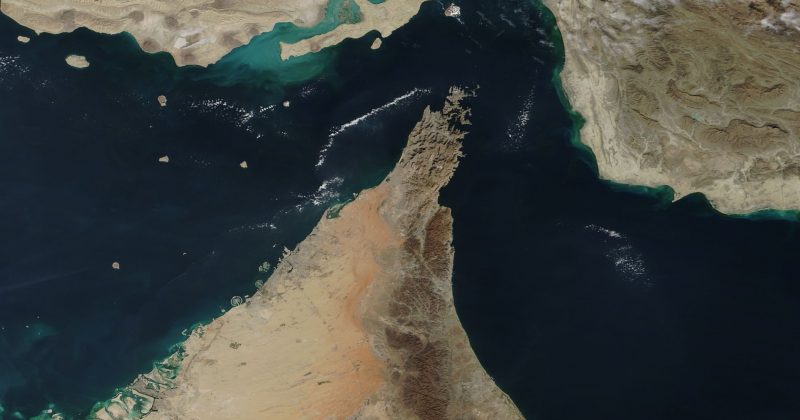
Middle East Crisis: Dollar Surges as Hormuz Strait Closure Shakes Global Markets
The strategic shutdown of this vital waterway heightens global energy market uncertainty, threatening to destabilize both geopolitical and economic landscapes. This disruption poses a significant risk to global supply chains and could trigger a massive wave of volatility across traditional and digital asset classes.

The $8 Billion Bitcoin Attack: Why Derivatives Could Make Chaos Profitable
This insight highlights a dangerous intersection between network security and financial engineering. By leveraging sophisticated derivative strategies, an attacker could offset the immense costs of a direct assault, turning a systemic threat into a lucrative arbitrage opportunity. This development underscores the growing complexity of risk management in the decentralized finance ecosystem and the potential for coordinated market manipulation.

US Escalates Strikes on Iran Following Ceasefire Collapse: Global Stability at Risk
Beyond the immediate combat, the US is grappling with mounting logistical challenges that could strain military resources. As tensions fluctuate, the resulting geopolitical instability remains a critical factor for global liquidity and risk assessment in the digital asset space.

Grenade Explosion in Or Yehuda: Israeli Police Investigate Amid Rising Regional Tensions
Beyond the immediate investigation, the incident highlights a dangerous trajectory for Middle East stability. Experts suggest that such escalations could increase the likelihood of broader Israeli military actions by 2026, creating significant geopolitical ripples that could influence global risk assessments.
