Bitcoin Stuck in 'Deep Value' Zone as Long-Term Holder Capitulation Hits $280M

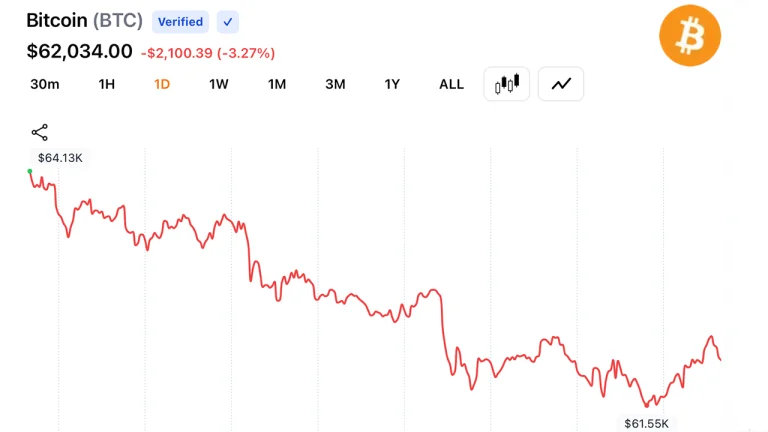
Bitcoin (BTC) has entered a critical 'deep value' phase, trading below key cost bases for five consecutive months. A massive spike in long-term holder capitulation, totaling $280 million, indicates that veteran investors are finally offloading their positions, signaling a significant shift in market psychology.
This sell-off is compounded by persistent negative ETF flows, which continue to weigh on price action. While the capitulation suggests short-term bearishness, the current price levels are being closely watched by analysts as a potential accumulation zone for those looking to capitalize on undervalued crypto assets.
Bitcoin (BTC) remains in deep value territory, with prices holding below key cost bases for five months. The market is witnessing a significant surge in long-term holder capitulation, which has spiked to $280 million, suggesting that even the most patient investors are exiting. Furthermore, the pressure is sustained by ongoing negative ETF flows, complicating the path to a near-term recovery.
This is a summarized and adapted version by Artificial Intelligence. To read the complete original story, visit the official source.
Read Full Article at Blockchain.newsSupport Jornal Bitcoin
Independent journalism, curated by AI, no clickbait. Keep the flame alive with any amount of BTC.
jonata@walletofsatoshi.comDaily Crypto Brief 📬
Subscribe to receive the curation of the most important Bitcoin and crypto news, summarized by AI. No spam.
Join more than 10,000 smart readers.
Related News
Middle East Escalation Triggers Crypto Bloodbath: Bulls Lose $310M as Bitcoin Slumps
As military exchanges threaten to unravel the fragile Middle East ceasefire, market participants are pivoting from bullish sentiment to defensive positioning. The sudden volatility highlights how geopolitical instability continues to act as a primary driver for Bitcoin price fluctuations and sudden market liquidations.

Deadline Approaching: CFTC Chair Claims Clarity Act is 'So Close' to Passing
The push for this legislation aims to provide much-needed legal certainty to the digital asset space. If passed, the Clarity Act will establish a definitive framework for market structure, potentially resolving long-standing disputes and shaping the future of crypto regulation in the United States.

India Divided: Central Bank Pushes for Crypto Ban While Tax Authorities Warn of Revenue Loss
This internal tug-of-war underscores the growing difficulty of regulating a massive economy in the age of decentralized finance. The clash between strict monetary control and the necessity of maintaining tax revenue creates a volatile environment for Bitcoin holders and institutional investors looking for regulatory clarity in India.

Adam Back’s Bitcoin Treasury Firm Moves to Renegotiate Cantor SPAC Merger Terms
By scrapping the original agreement, BSTR and the Cantor Fitzgerald-backed SPAC are prioritizing strategic flexibility. This move to renegotiate the merger terms suggests a calculated effort to navigate current market volatility, ensuring the upcoming public offering is positioned for long-term success within the digital asset sector.

The Clock is Ticking: Bitcoin's Rally Faces a 4-Week Make-or-Break Window in Washington
Following a bruising June, Bitcoin has already staged a 10% recovery this month, but the momentum hinges on institutional clarity. The outcome of this session will determine whether the industry receives much-needed regulatory frameworks or faces another round of legislative delays that could dampen the current market rally.

Lobbying Scandal? Bank of England Governor Denies Nigel Farage Influenced CBDC Policy
This controversy highlights the growing tension between political figures and central banks regarding the future of digital assets. While Farage aims to bring cryptocurrency into the mainstream political discourse, the Bank of England is sending a clear signal: the development of a CBDC will be driven by technical necessity and financial stability, rather than political intervention or lobbying pressure.
