Bitcoin Hits $66K: How the Yen Collapse and Chip Rally are Fueling the Surge

Bitcoin has solidified its position near the $66,000 mark, driven by a rare convergence of macroeconomic forces. The collapse of the Japanese Yen combined with a massive rally in the semiconductor sector has created a powerful tailwind for fixed-supply assets like Bitcoin.
This trend underscores a broader shift in market liquidity, where currency volatility and tech-driven momentum are rotating capital into the crypto ecosystem. As macro conditions favor scarcity, the interplay between global finance and digital assets is becoming increasingly critical for investors.
Bitcoin has stabilized near $66,300, bolstered by a semiconductor rally and the collapse of the Japanese Yen. This surge highlights how external factors, such as chip market dynamics and fiat currency devaluation, are actively shaping Bitcoin's price action. Understanding why the current macro landscape favors fixed-supply assets is key to navigating this market rally.
This is a summarized and adapted version by Artificial Intelligence. To read the complete original story, visit the official source.
Read Full Article at BlockTrendsSupport Jornal Bitcoin
Independent journalism, curated by AI, no clickbait. Keep the flame alive with any amount of BTC.
jonata@walletofsatoshi.comDaily Crypto Brief 📬
Subscribe to receive the curation of the most important Bitcoin and crypto news, summarized by AI. No spam.
Join more than 10,000 smart readers.
Related News

Middle East Escalation: Iran Strikes US Bases in Jordan, Sending Shockwaves Through Crypto Markets
This escalation carries profound implications for the crypto market, where sudden geopolitical shifts often drive massive volatility. As investors react to the news, the digital asset space is bracing for a tug-of-war between panic-driven liquidations and the potential surge in Bitcoin demand as a hedge against global instability.

Bitcoin Governance Alert: Foundry USA Calls for Critical BIP-110 Miner Vote
This low participation rate underscores the complexities of Bitcoin governance and the difficulty of achieving consensus among large-scale mining operations. The outcome of this vote could dictate the speed of technical upgrades and influence how the Bitcoin network evolves to meet future scaling and efficiency demands.

Crypto Exodus in South Korea: Retail Investors Pivot from Digital Assets to Stocks
As the KOSPI benchmark index more than doubled, trading volumes on won-based platforms like Upbit and Bithumb saw a substantial contraction. This trend suggests that the retail appetite for risk is currently being captured by the surging stock market rather than the volatile cryptocurrency sector.

Intel’s Earnings Showdown: Is the AI Chip Rally Real or a 1999 Repeat?
Following a massive 400% surge in stock price, the implications of this report extend far beyond a single company. The results will provide vital clues regarding the sustainability of the AI hardware cycle and could trigger significant volatility across the broader technology and crypto-infrastructure sectors.
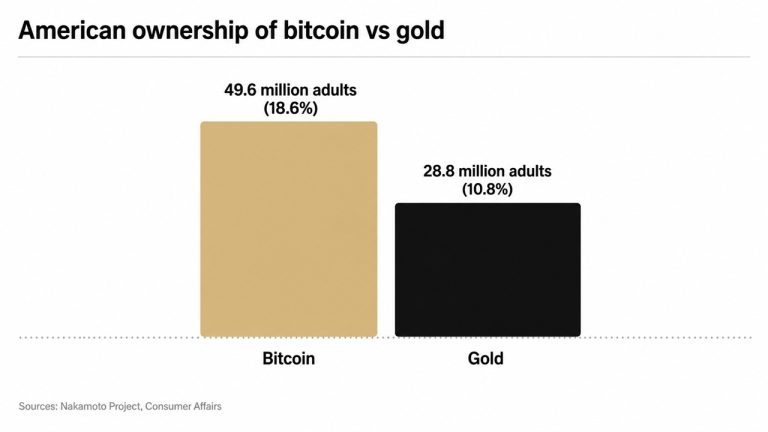
The Gold Standard is Dead? Bitcoin Ownership Surpasses Gold in the US
This milestone marks a decisive moment in financial history, as Bitcoin adoption outpaces a 5,000-year-old rival. With only 28.8 million Americans holding gold, the data suggests that the digital gold narrative is no longer just a theory, but a dominant market reality driving massive capital shifts.
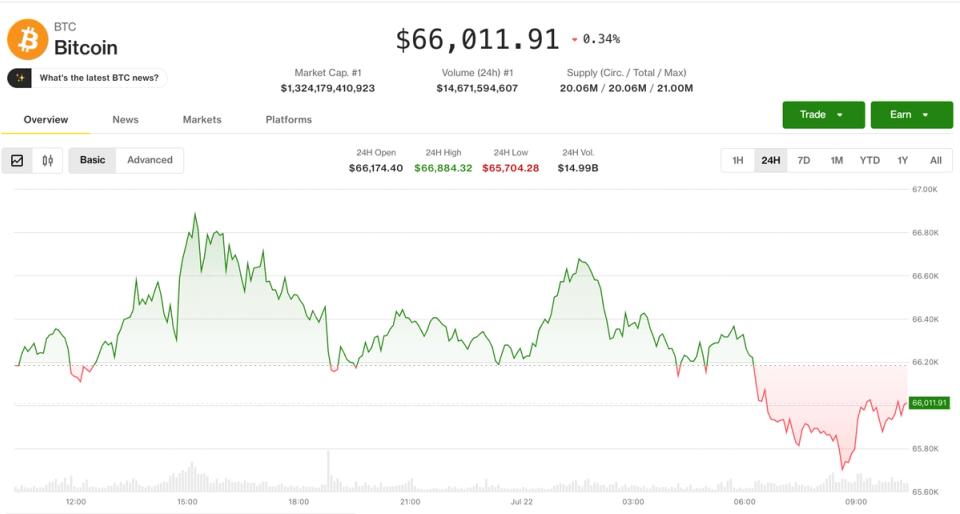
Bitcoin retreats from one-month high as oil prices surge and inflation fears return
As macroeconomic uncertainty grows, market participants are pivoting away from speculative altcoins. Instead, capital is flowing toward traditional safe havens like gold and silver, as well as Bitcoin, which continues to be positioned as a primary hedge against rising inflation and commodity volatility.
