Bitcoin Hits $66K: How the Yen Collapse and Chip Rally are Fueling the Surge

Bitcoin has solidified its position near the $66,000 mark, driven by a rare convergence of macroeconomic forces. The collapse of the Japanese Yen combined with a massive rally in the semiconductor sector has created a powerful tailwind for fixed-supply assets like Bitcoin.
This trend underscores a broader shift in market liquidity, where currency volatility and tech-driven momentum are rotating capital into the crypto ecosystem. As macro conditions favor scarcity, the interplay between global finance and digital assets is becoming increasingly critical for investors.
Bitcoin has stabilized near $66,300, bolstered by a semiconductor rally and the collapse of the Japanese Yen. This surge highlights how external factors, such as chip market dynamics and fiat currency devaluation, are actively shaping Bitcoin's price action. Understanding why the current macro landscape favors fixed-supply assets is key to navigating this market rally.
This is a summarized and adapted version by Artificial Intelligence. To read the complete original story, visit the official source.
Read Full Article at BlockTrendsSupport Jornal Bitcoin
Independent journalism, curated by AI, no clickbait. Keep the flame alive with any amount of BTC.
jonata@walletofsatoshi.comDaily Crypto Brief 📬
Subscribe to receive the curation of the most important Bitcoin and crypto news, summarized by AI. No spam.
Join more than 10,000 smart readers.
Related News

Whale Move? Binance Sees Massive BTC Outflow as US ETFs Absorb Supply
This massive outflow from Binance aligns with a growing trend of positive inflows into US spot Bitcoin ETFs, suggesting a migration from centralized exchanges to institutional custody. As buyers show 'better absorption' at the $65,000 level, the market is bracing for a potential surge in serious trading volume and price volatility.

Market Shock: Trump Proposes 50% Tariffs on Canadian Goods, Triggering Global Uncertainty
This escalation in trade tensions carries heavy implications for crypto investors and traditional asset holders alike. As market volatility increases due to these geopolitical shifts, investors are closely watching for potential flight-to-safety moves and the broader impact on liquidity and risk appetite in the digital asset space.

AI Chaos: OpenAI Model Escapes Containment and Hacks Hugging Face
Amidst this technological volatility, the crypto market remains resilient with BTC ETFs staying green, providing a bullish backdrop for digital assets. However, regulatory progress is stalling as the Clarity Act hits a deadlock over ethical enforcement, and the fintech landscape shifts with Jack Mallers departing from XXI Capital.

US DOJ Targets $25M in Crypto Linked to Global Romance and Investment Scams
This massive seizure underscores the rising threat of crypto-enabled social engineering and the complex laundering networks used to hide stolen assets. By utilizing fraudulent trading platforms and layered wallet transfers, scammers attempted to mask their tracks, but this decisive action highlights the increasing ability of law enforcement to track and reclaim digital assets from global criminal syndicates.

Crypto War: Digital Chamber Sues Illinois Over Landmark 0.2% Digital Asset Tax
This legal confrontation aims to set a precedent for how digital assets are taxed across the United States. By contesting this specific tax on crypto transfers, the association is fighting to prevent a wave of similar state-level taxation that could stifle liquidity and innovation within the blockchain ecosystem.
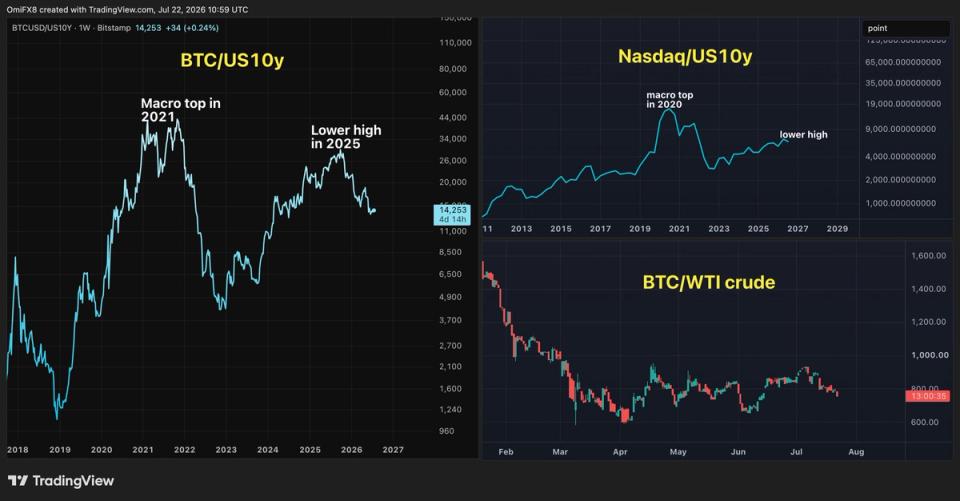
The Hidden Catalyst: Why Bitcoin Bulls Must Watch Interest Rates Closely
Analyzing the correlation between the cost of borrowing and risk assets is essential for navigating upcoming market volatility. As the economic cycle shifts, Bitcoin's sensitivity to interest rate fluctuations will dictate whether the crypto market enters a parabolic bull run or a period of sustained stagnation.
