Beyond DeFi: a16z Unveils What TradFi Actually Demands From Blockchain

Venture capital giant a16z has delivered a reality check for the crypto industry: institutional adoption is not merely an extension of DeFi. To bridge the gap with TradFi, the industry must pivot from pure decentralization toward building sophisticated infrastructure that meets the rigorous standards of global finance.
This insight highlights a critical evolution in the blockchain landscape, where compliance and institutional-grade security take center stage. As the boundary between decentralized protocols and traditional finance blurs, the winners will be those who prioritize utility and regulatory alignment over speculative volatility.
a16z has revealed that while institutional adoption represents a massive opportunity for the crypto space, it is not a simple expansion of existing DeFi models. According to the firm, the interests of TradFi (Traditional Finance) are distinct; they require more than just decentralized protocols. For true integration to happen, the industry must focus on developing robust infrastructure that addresses the specific needs of institutional players, particularly regarding compliance, scalability, and operational security.
This is a summarized and adapted version by Artificial Intelligence. To read the complete original story, visit the official source.
Read Full Article at CryptoPotatoSupport Jornal Bitcoin
Independent journalism, curated by AI, no clickbait. Keep the flame alive with any amount of BTC.
jonata@walletofsatoshi.comDaily Crypto Brief 📬
Subscribe to receive the curation of the most important Bitcoin and crypto news, summarized by AI. No spam.
Join more than 10,000 smart readers.
Related News
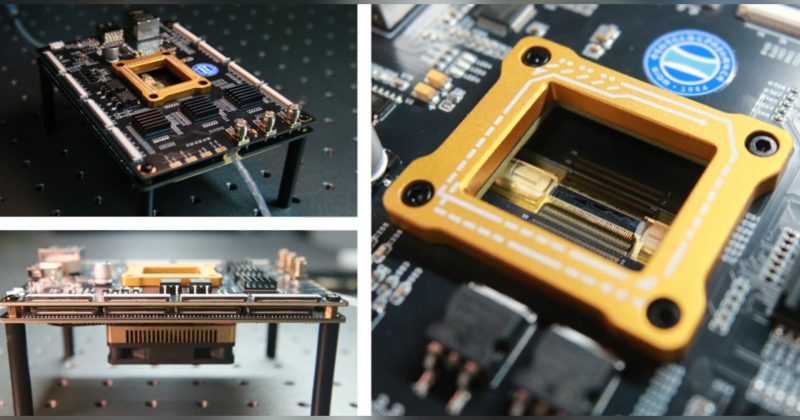
China's Breakthrough: 3D Optical Chips Produced in Seconds, Fueling the AI and Crypto Hardware Race
This rapid production capability is a game-changer for the AI and crypto hardware race, offering the potential for massive infrastructure scaling. As the demand for specialized computing power surges, this semiconductor innovation could dictate the leaders of the next decentralized computing era.
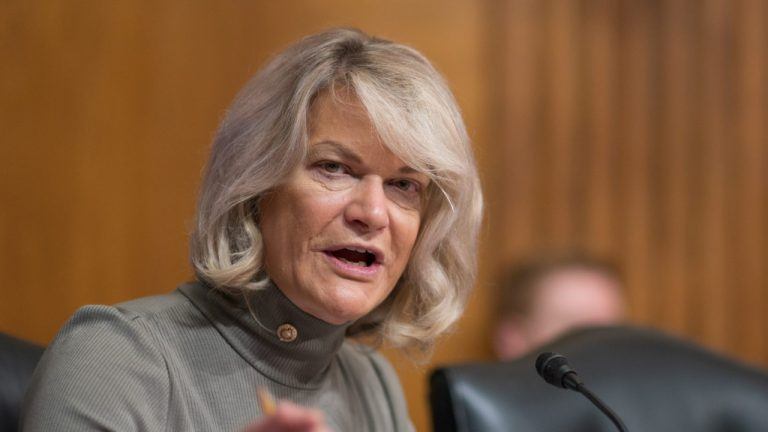
The CLARITY Act: Senator Lummis Unveils 3 Game-Changing Benefits for Crypto
By addressing three core pillars, the act seeks to bolster consumer protections and stabilize the broader crypto markets. As Congress intensifies its efforts to regulate the space, the CLARITY Act stands as a pivotal attempt to integrate digital assets into a structured, institutional-grade financial environment.
AI Arms Race Ignites: Kimi K3 Outperforms PyTorch in H100 CUDA Kernel Speed by 14x
This development significantly intensifies the US-China AI race, as the Kimi K3 directly challenges the dominance of top-tier US AI labs. By maximizing GPU performance through superior kernel generation, this breakthrough could redefine how hardware-software integration dictates the winner of the next era of artificial intelligence.

US Global Travel Alert: How Iran Tensions Could Shake the Crypto Markets
As risk appetite fluctuates, investors must prepare for potential liquidity shifts and market corrections. The intersection of Middle East tensions and global finance means that crypto markets may face sudden pressure, testing the resilience of decentralized assets against traditional macroeconomic shocks.
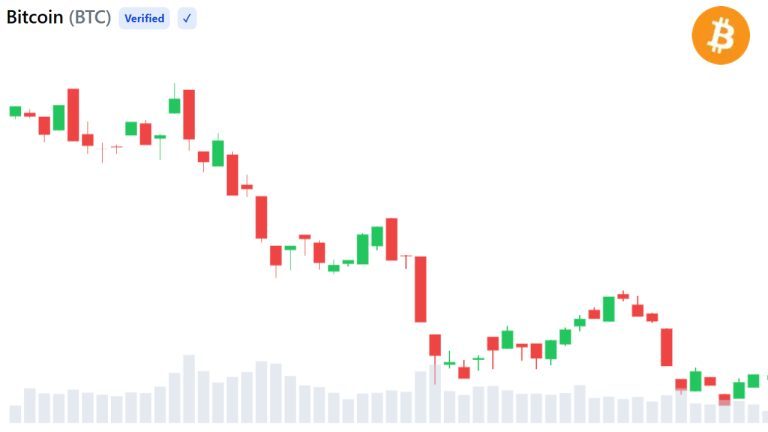
End of Bear? Critical Cost Basis Crossover Signals Bitcoin May Be in Final Bear Market Phase
This specific cost basis crossover mirrors historical Bitcoin cycles, providing a blueprint for potential market reversals. Data from blockchain analytics firm Cryptoquant indicates that this exhaustion of selling pressure could mark the transition from a prolonged bear market to a new bullish phase.

Geopolitical Chaos: Polymarket Odds for US–Iran Ceasefire Plummet Amid Airstrikes
The situation escalated rapidly after the deaths of two US service members in Jordan, triggering a cycle of military retaliation. As strike exchanges continue, the market's reaction highlights the growing uncertainty and the potential for a broader conflict that could disrupt international stability and influence broader asset volatility.
