The $293B Battle: Bitcoin Policy Institute Intervenes in Massive Dormant Wallet Lawsuit
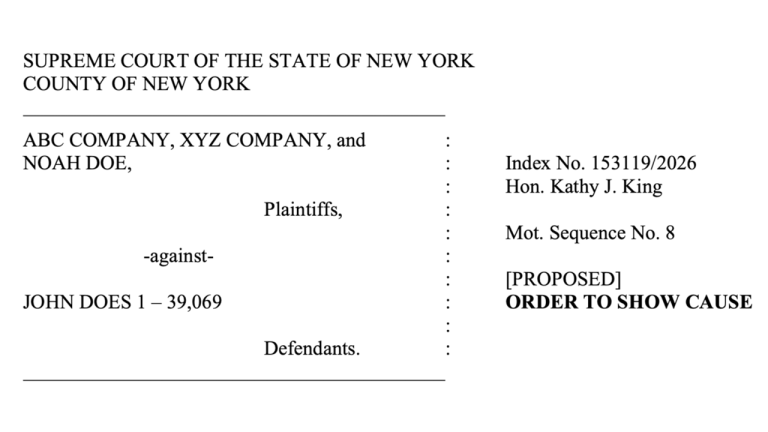
The Bitcoin Policy Institute (BPI) has officially stepped into a high-stakes legal battle in New York, filing to intervene in a lawsuit targeting the legal title of nearly 40,000 dormant bitcoin addresses. This institutional intervention aims to safeguard the ecosystem against a massive grab of digital assets valued at an estimated $293 billion.
As the court date for the 'Noah Doe' case approaches, the stakes for bitcoin ownership have never been higher. This legal clash between plaintiffs and institutional defenders will likely set a monumental precedent regarding the rights to unclaimed bitcoin addresses and the broader implications of asset seizure in the decentralized finance era.
With the 'Noah Doe' court date looming, the BPI's involvement highlights the growing tension between traditional legal frameworks and decentralized ownership. The outcome of this case is expected to have profound consequences for how dormant bitcoin addresses and digital property rights are treated by the judicial system worldwide.
This is a summarized and adapted version by Artificial Intelligence. To read the complete original story, visit the official source.
Read Full Article at Bitcoin.comSupport Jornal Bitcoin
Independent journalism, curated by AI, no clickbait. Keep the flame alive with any amount of BTC.
jonata@walletofsatoshi.comDaily Crypto Brief 📬
Subscribe to receive the curation of the most important Bitcoin and crypto news, summarized by AI. No spam.
Join more than 10,000 smart readers.
Related News
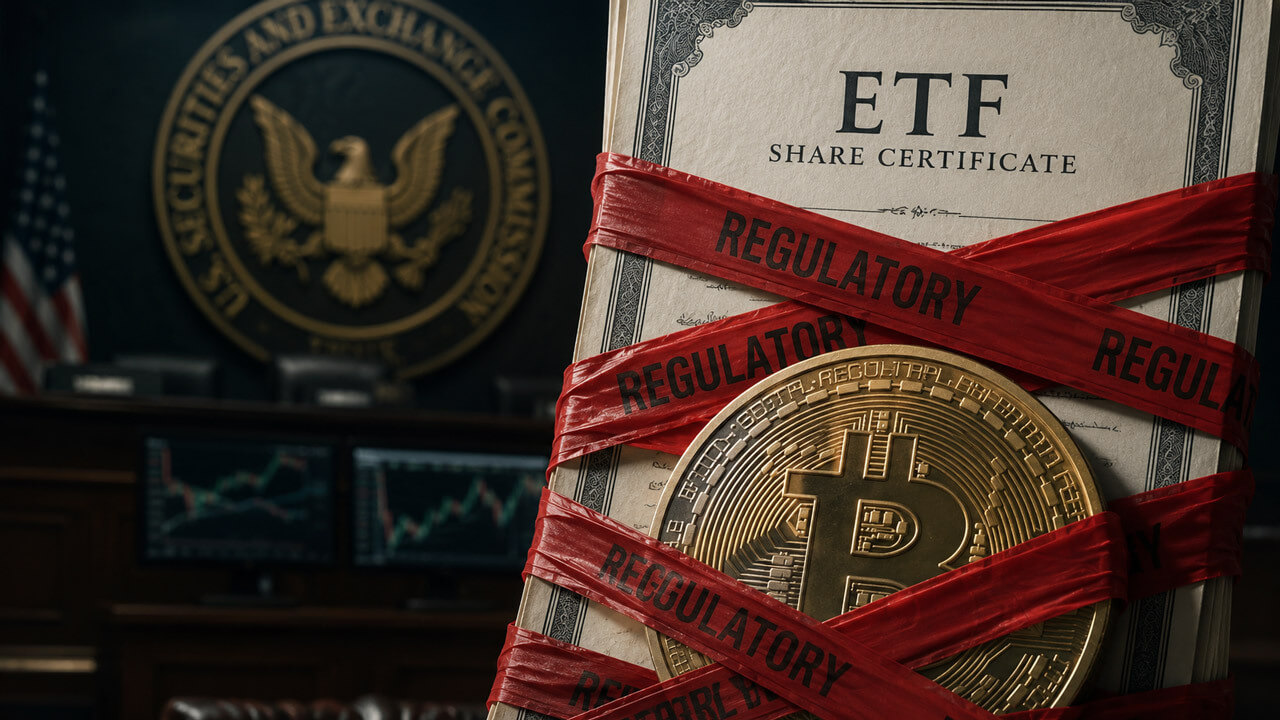
Crypto Won the ETF War, but Now the SEC is Worried It Went Too Far
By turning complex crypto exposure into a user-friendly retail product, ETFs have allowed investors to trade digital assets alongside blue-chip stocks in a single account. While this convenience has revolutionized market access, it has also triggered concerns within regulatory bodies regarding the systemic implications of such seamless integration between traditional finance and the crypto market.

Battle for Sovereignty: Bitcoin Policy Institute Challenges NYC Self-Custody Ruling
Beyond the local courtroom, the consequences of this case could reshape Bitcoin ownership laws nationwide. A ruling against self-custody would trigger massive regulatory shifts, potentially undermining the core tenets of decentralization and the legal security of crypto holders across the United States.

NRG Hits EWC Grand Finals: The Massive Convergence of Esports and Crypto
The increasing synergy between esports and crypto audiences is driving brand value to new heights, attracting significant institutional interest. As prize pools swell, the potential for high-level sponsorships and blockchain integration continues to expand, signaling a transformative era for both industries.

Bitcoin in the Strait of Hormuz? Qatar Joins Iran-Oman Talks with Crypto Transit Fee Proposal
While these discussions aim to stabilize global oil markets, the integration of Bitcoin could trigger a ripple effect across the broader crypto markets. A shift in how regional powers demand and utilize digital assets may reduce specific liquidity patterns, while simultaneously inviting intense regulatory scrutiny from global financial authorities regarding the use of decentralized assets in strategic trade routes.

Trump’s Crypto Disclosure: A Massive Institutional Risk Markets Are Already Pricing In
This isn't just about one politician; it's about a structural shift where crypto can transform political access and branded token symbolism into market value almost instantly. As regulatory attitudes become intertwined with personal wealth, the institutional implications for market stability and crypto governance are profound.
Crypto IPO Drought: Why Capital is Pivoting to AI Amid Macro Uncertainty
As macro uncertainty continues to weigh heavily on global markets, the liquidity required for successful public listings is being diverted elsewhere. This shift creates a challenging environment for crypto firms, forcing them to contend with a landscape where capital is increasingly scarce and risk appetite is concentrated in the AI sector.
