The Rise of Agentic Finance: Base Surpasses 100M AI-Driven Payments as Armstrong Signals a Banking Shift

The Base network has hit a massive milestone, surpassing 100 million AI-powered payments, marking a critical turning point for decentralized infrastructure. Coinbase CEO Brian Armstrong is actively championing the rise of agentic finance, a movement that leverages blockchain to facilitate seamless, autonomous transactions driven by artificial intelligence.
This surge in AI-driven commerce is poised to redefine the digital economy, positioning crypto as the essential backbone for machine-to-machine transactions. By enabling these autonomous workflows, agentic finance poses a significant challenge to traditional banking systems and sets the stage for a new era of automated digital trade.
Coinbase CEO Brian Armstrong is making waves by promoting the concept of 'agentic finance' just as the Base network surpasses a staggering 100 million AI-driven payments. This milestone highlights a growing synergy between artificial intelligence and blockchain technology, suggesting that the next wave of digital commerce will be driven by autonomous agents.
This is a summarized and adapted version by Artificial Intelligence. To read the complete original story, visit the official source.
Read Full Article at Crypto BriefingSupport Jornal Bitcoin
Independent journalism, curated by AI, no clickbait. Keep the flame alive with any amount of BTC.
jonata@walletofsatoshi.comDaily Crypto Brief 📬
Subscribe to receive the curation of the most important Bitcoin and crypto news, summarized by AI. No spam.
Join more than 10,000 smart readers.
Related News

Red Alert: SparkKitty Malware Hits App Store and Google Play to Steal Crypto Seed Phrases from Photos
The SparkKitty infiltration underscores the urgent need for enhanced security measures and heightened user awareness within the blockchain space. As attackers find increasingly sophisticated ways to access sensitive crypto information, protecting digital assets requires moving beyond simple storage toward more robust, non-visual security protocols.
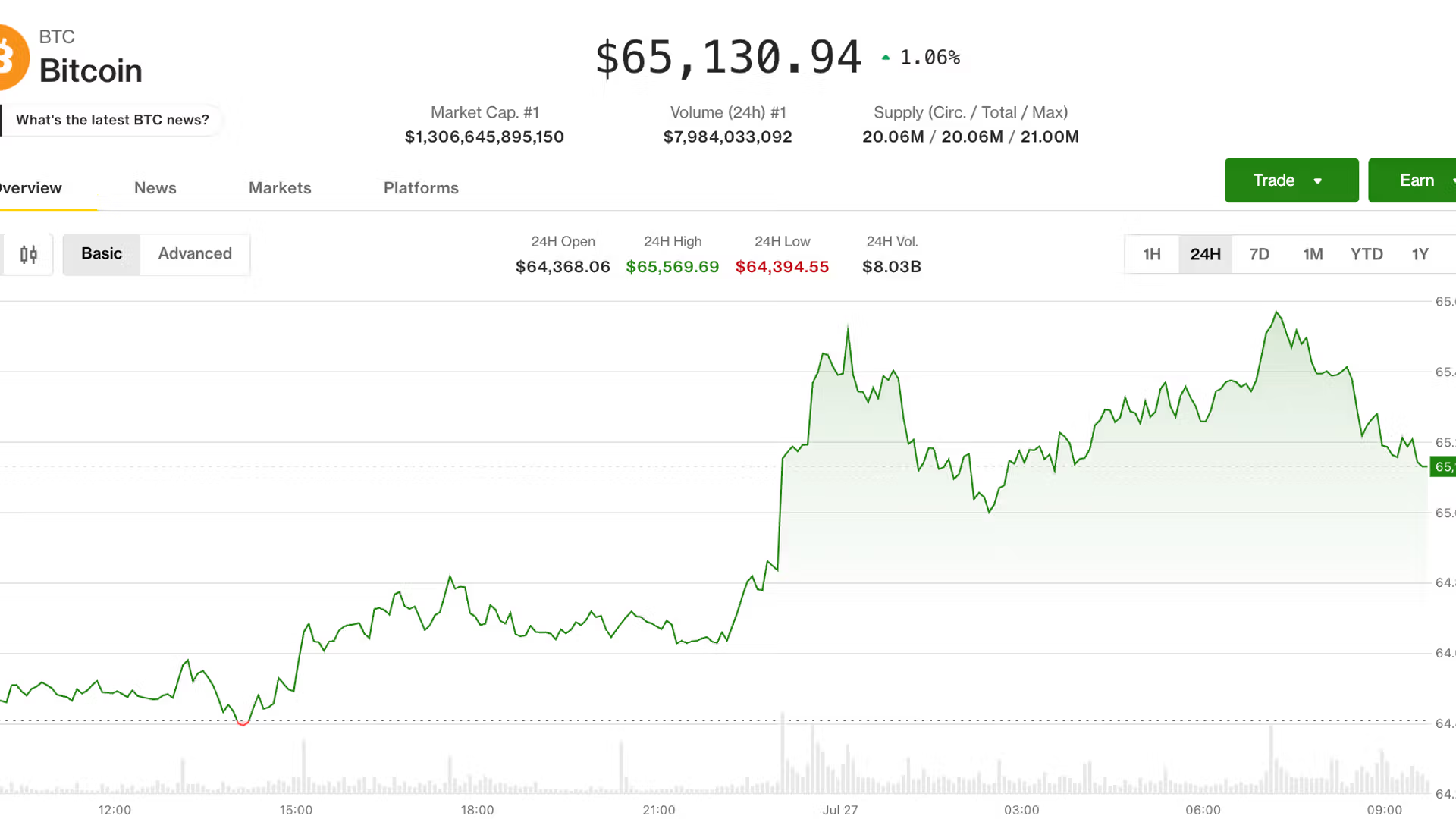
Geopolitical Relief: Iran-U.S. Pause Sends Oil Tumbling and Lifts Risk Assets
The sudden drop in oil prices has provided a tailwind for equities and DeFi tokens, shifting the focus from geopolitical conflict to macroeconomic policy. All eyes are now on the upcoming Federal Reserve decision this Wednesday, which remains the primary catalyst for market direction and liquidity.
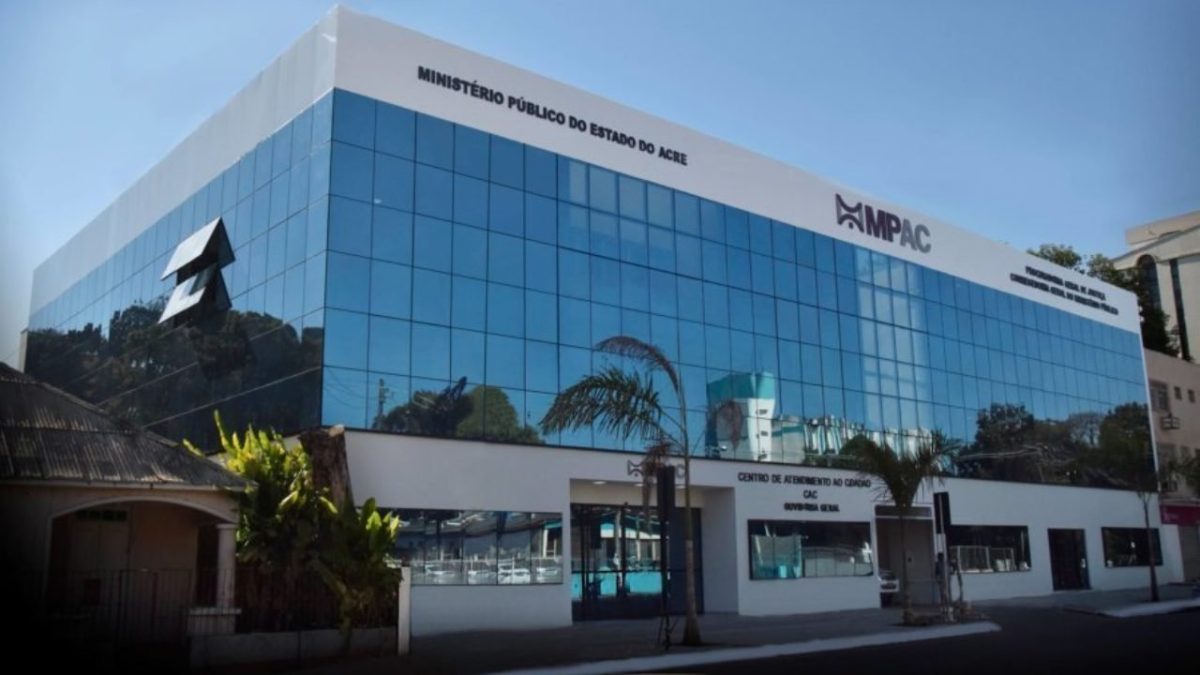
Acre Prosecution Targets 29 Suspects, Demanding Seizure of Cryptocurrencies
This legal maneuver highlights the increasing focus on digital assets in criminal investigations within Brazil. By targeting cryptocurrency holdings, prosecutors aim to leverage blockchain transparency to recover illicit funds and set a rigorous standard for combating money laundering and organized crime.

OpenAI's European Power Move: New Ireland HQ to Create 250 Jobs and Shape EU AI Future
This expansion is more than just a hiring spree; it is a calculated effort to dominate the EU AI market and gain a seat at the table regarding regulatory compliance. By increasing SME engagement, OpenAI is positioning itself to become an indispensable pillar of the European artificial intelligence ecosystem and a key player in shaping upcoming tech legislation.

AAVE Price Prediction: Short Squeeze Over? $89 or $108 is the Next Move
Market analysts are now debating the immediate trajectory: will AAVE face a correction toward the $89 support level, or will it break through to hit $108? The outcome depends on whether the current momentum can overcome the heavy resistance or if the exhaustion from the short squeeze triggers a pullback.
South Korea's Largest Bank Partners with JPMorgan's Kinexys for Instant Dollar Settlements
This milestone makes KB Kookmin the first South Korean financial institution to settle commercial dollar payments directly on the Kinexys network. The integration of blockchain technology into mainstream banking operations signals a major move toward faster, more efficient international settlements and reduced friction in global trade.
