Geopolitical Shockwave: US Strikes Hit Ahvaz Airport Amid Escalating Iran Tensions
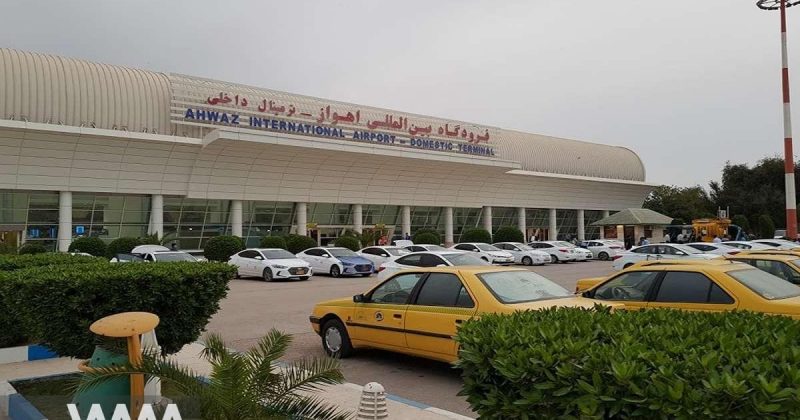
A major geopolitical shockwave has hit the global stage as US strikes targeted Ahvaz Airport, significantly intensifying existing tensions with Iran. This direct escalation heightens the immediate risk of regional instability, forcing global markets to brace for sudden shifts in risk appetite.
Beyond the immediate military impact, the strike carries heavy economic implications, including potential airspace closures and critical disruptions to global oil supply routes. Such volatility often triggers rapid movements in both traditional commodities and the crypto market as investors react to heightened geopolitical uncertainty.
US strikes have hit Ahvaz Airport, marking a dangerous escalation in the rising tensions with Iran. The strike heightens the risks of widespread regional instability, creating a ripple effect that could impact much more than local security. Analysts warn that the fallout could lead to strategic airspace closures and significant disruptions to global oil supply routes, potentially destabilizing energy markets and driving volatility across all major asset classes.
This is a summarized and adapted version by Artificial Intelligence. To read the complete original story, visit the official source.
Read Full Article at Crypto BriefingSupport Jornal Bitcoin
Independent journalism, curated by AI, no clickbait. Keep the flame alive with any amount of BTC.
jonata@walletofsatoshi.comDaily Crypto Brief 📬
Subscribe to receive the curation of the most important Bitcoin and crypto news, summarized by AI. No spam.
Join more than 10,000 smart readers.
Related News

Grenade Explosion in Or Yehuda: Israeli Police Investigate Amid Rising Regional Tensions
Beyond the immediate investigation, the incident highlights a dangerous trajectory for Middle East stability. Experts suggest that such escalations could increase the likelihood of broader Israeli military actions by 2026, creating significant geopolitical ripples that could influence global risk assessments.
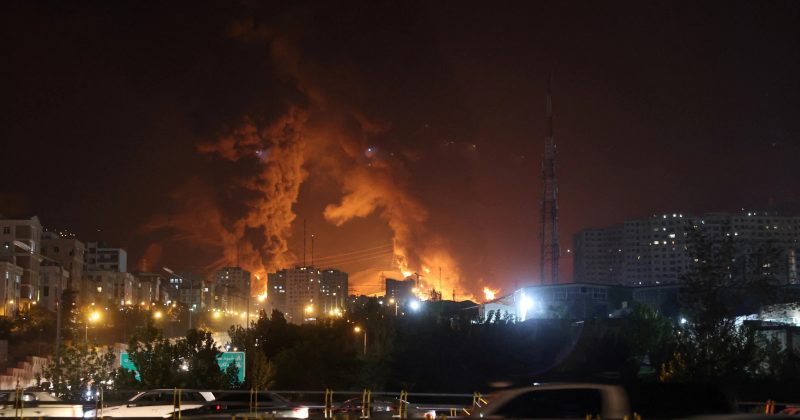
Geopolitical Shift: US Losing Grip on Iran Conflict, Analysts Warn
As American leverage weakens, the path to a diplomatic resolution becomes increasingly narrow and complex. The potential for escalated tensions poses a significant threat to global stability, creating a high-risk environment for both traditional geopolitical actors and global financial markets.

Middle East Chaos: Iranian Missile and Drone Strikes Hit UAE Despite Ceasefire Claims
These military actions are actively challenging market perceptions of de-escalation, forcing analysts to reassess the risk of broader conflict. As the situation evolves, the potential for increased volatility remains a critical factor for both traditional finance and the crypto ecosystem.
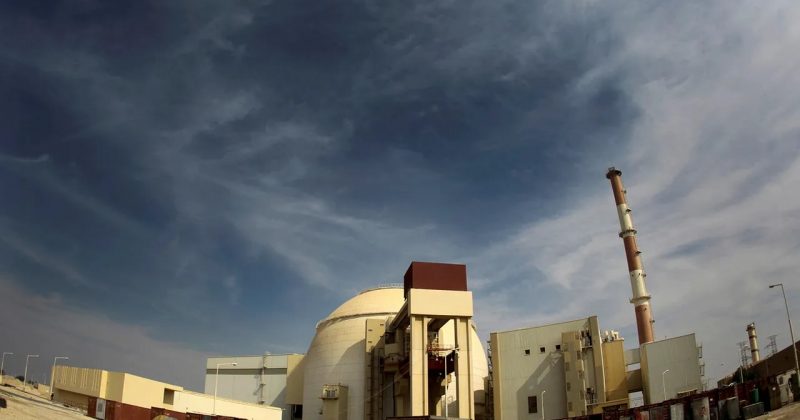
Explosions in Iran's Bushehr: Escalating US-Israel Tensions Hit a Breaking Point
Beyond the immediate security concerns, these explosions could severely impact market confidence and global economic stability. As geopolitical risks rise, the uncertainty surrounding Middle East peace prospects is likely to drive volatility across major financial sectors, forcing investors to reassess their risk exposure in a rapidly changing landscape.
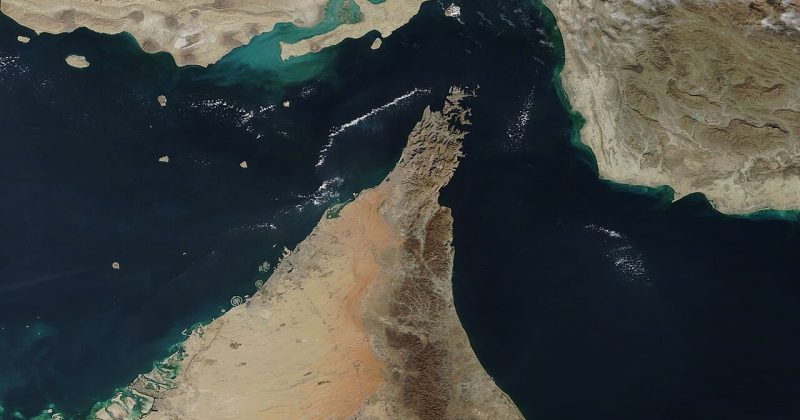
Global Chaos: Iran Closes Strait of Hormuz, Sending Maritime Traffic Plummeting
Disruptions to global oil supply chains are poised to create a massive ripple effect of volatility across financial assets and commodities. As geopolitical uncertainty heightens, investors are bracing for systemic risk, a move that could severely impact market liquidity and the broader global economy.
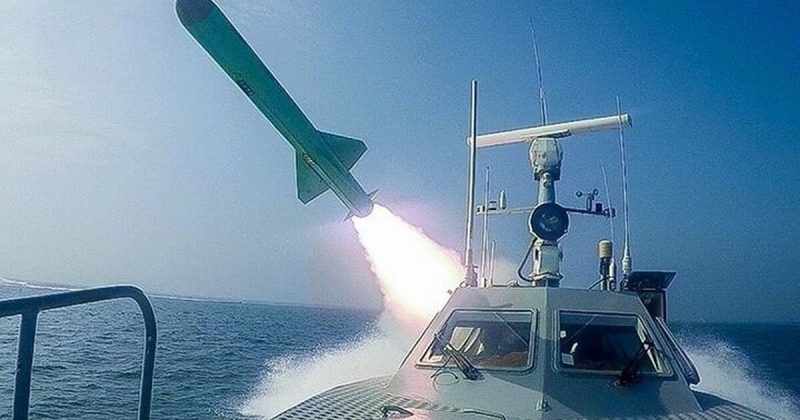
Missile Interception and the Growing Scrutiny of Iran's Crypto War Machine
Increased scrutiny on IRGC's crypto activities is expected to tighten global compliance standards, creating ripples across the broader crypto markets. This intersection of kinetic warfare and digital finance is set to heighten geopolitical tensions and reshape how decentralized finance is monitored in high-risk zones.
